
Taras Vysotsky

 06 October 2026, 12:451280
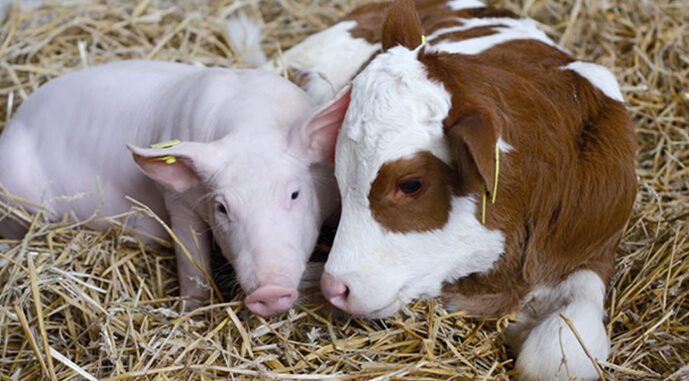
Ukraine Has Made Tremendous Progress in Animal Welfare
 05 October 2026, 09:49968
Ukraine Proposes That EU Grant an Additional Quota for Ukrainian Bioethanol Exports
 03 October 2026, 08:001842
Ministry of Agrarian Policy Says How Much Winter Crop Area Will Decline
- 02 October 2026, 12:44 1435
 Ukraine Exported 2.4 Million Tonnes of Agricultural Products in September
By the end of September, Ukraine had exported 2.4 million tonnes of agricultural products, representing 46% of the required volume. Of this, grain exports amounted to 1.4 million tonnes, or 38% of the potentially required export volume.
- 01 October 2026, 11:12 1532
 Ukraine Meets Conditions for Opening Three Agricultural Chapters in EU Accession Talks
Ukraine has fulfilled all the requirements for opening the agricultural chapters within the fifth cluster of negotiations on accession to the European Union and is currently awaiting a political decision.
- 29 September 2026, 09:30 1480
 Vysotskyi: No Grain Truce in the Black Sea Expected in the Coming Months
Ukraine sees no positive signs that a truce to ensure grain exports through the Black Sea could be reached in the coming months.
- 24 September 2026, 08:00 1424
 Ukraine Asks EU for $2 Billion to Cover Agricultural Export Costs via the Baltic
Ukraine has appealed to the European Union and other international partners for $1.5–2 billion to compensate for the additional costs of exporting grain through Baltic ports.
- 19 September 2026, 08:00 2365
 Share of Soybean Processing in Ukraine to Rise to 70%
Soybean production in Ukraine in 2026 will amount to 3.8 million tonnes, of which 2.8 million tonnes will be processed. Exports will total 1 million tonnes.
- 16 September 2026, 08:00 1374
 Port Blockade Could Force Farmers to Reduce Land Cultivation: 7 Million Hectares at Risk
Ukrainian farmers may reduce sown areas if the blockade of seaports continues.
- 22 August 2026, 08:41 1780
 Port Blockade Could Accelerate the Development of Agricultural Processing in Ukraine
Problems with the maritime export of agricultural products could stimulate the development of domestic processing in Ukraine.
- 20 August 2026, 15:23 1695
 Ukraine Exported 900,000 Tonnes of Agricultural Products in August: Grain Faces the Biggest Challenge
From August 1 to 18, Ukraine exported 900,000 tonnes of agricultural products. This represents 31% of the volume that could have been exported if there had been unrestricted access to the ports of Greater Odesa.
- 17 August 2026, 08:00 1611
 Ukraine Expects to Receive the EU’s Response on Agricultural Sector Support by the End of August
Ukraine has officially appealed to the EU with a request for €220 million in assistance for a specific purpose — to compensate interest on loans for agricultural producers. They need these funds to carry out the autumn sowing campaign and continue their operations amid export difficulties caused by the shutdown of Black Sea ports.
- 16 August 2026, 08:00 3597
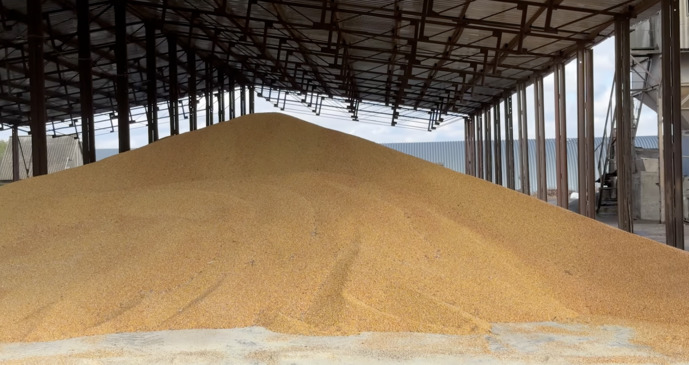 More Than 8 Million Tonnes of Grain in Ukraine Will Be Placed in Temporary Storage Facilities
At the current pace of limited exports without the ports of Greater Odesa, Ukraine will effectively face a shortage of domestic grain storage capacity in November, which could amount to between 8 million and 11 million tonnes.
- 15 August 2026, 08:42 2987
 Shifting Grain Exports to Alternative Routes Means $3 Billion in Additional Costs
Alternative routes for exports of grain, oilseeds and their processed products through the Danube region, by rail and road transport, during periods of their active use, provided a maximum of up to 50% of the volume that was shipped through the ports of Greater Odesa.
- 14 August 2026, 12:00 1367
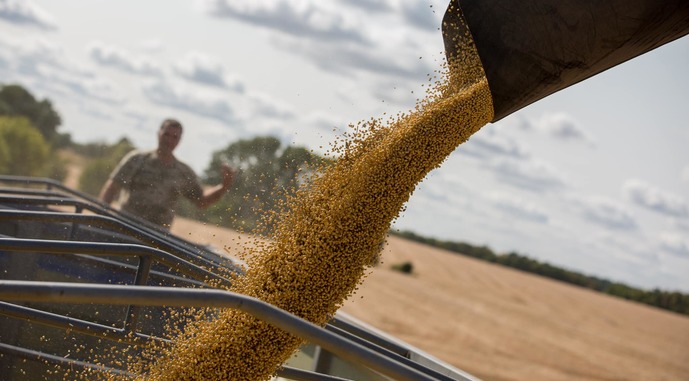 Alternative Routes Will Be Able to Handle a Maximum of 50% of Agricultural Exports
In August, vessels are no longer calling at the ports of Greater Odesa. From August 1 to 12, Ukraine exported 590 thousand tonnes of grain, which is 30% of the required volume. Currently, about 45% of agricultural exports are transported by rail, about 45% through the Danube region, and 10% by road.
- 06 August 2026, 12:00 2406
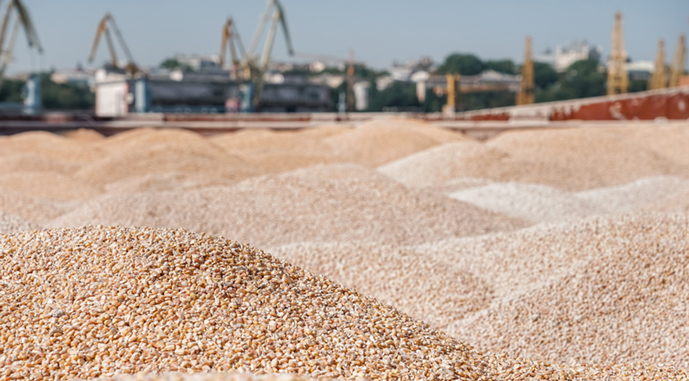 It Will Take a Month to Return to Previous Export Volumes After Port Operations Resume
Russian attacks on civilian vessels and port infrastructure have effectively halted traffic to the ports of Greater Odesa. Ukraine is expanding exports by rail, road and via the Danube. However, these routes will be able to provide only about half the capacity of the Black Sea ports. This poses a threat to exports of Ukraine’s harvest and the stability of global food markets.
- 06 August 2026, 06:33 4078
 Taras Vysotskyi: I Will Work for the Public Good for as Long as the State Needs Me
Taras Vysotskyi is not a new figure at the agricultural ministry. Having served as Deputy Minister for seven years, both in a separate ministry and within merged ministries, he remained a source of stability for participants in the agri-food sector.
- 05 August 2026, 09:47 1581
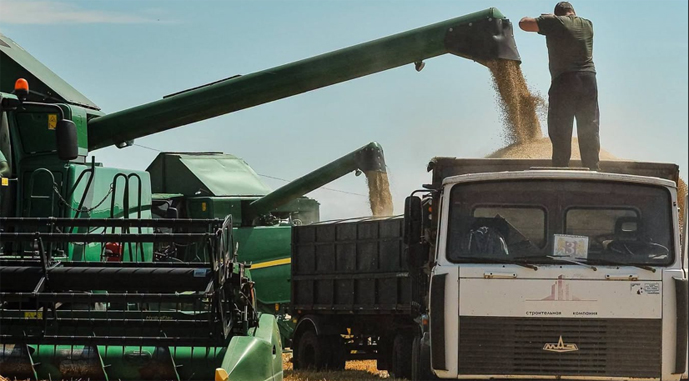 Agricultural Sector Losses from Export Disruptions Could Reach $1.5–3 Billion
Using alternative logistics routes will cost agricultural producers an additional €50–70 per tonne of products, while the total losses of Ukraine’s agricultural sector could amount to $1.5–3 billion. This is why the support of international partners is critically important both for Ukraine and for preserving global food security.
- 23 July 2026, 11:11 3566Farmers Advised to Hold Back Grain Sales During Temporary Suspension of Port Exports
Over the past several days, only four to five vessels have been calling at Ukraine’s Black Sea ports due to Russian attacks, and vessel traffic was suspended on 22 July. The Ukrainian government is currently working to resolve the situation and will take all possible measures to ensure the continued stability of exports through the Black Sea ports.