

Україна забезпечує 2% світової торгівлі соєвою олією, але тримається у топ-10
Ukraine can become a key supplier of soybeans to the EU
17 April 2026, 12:00 2368
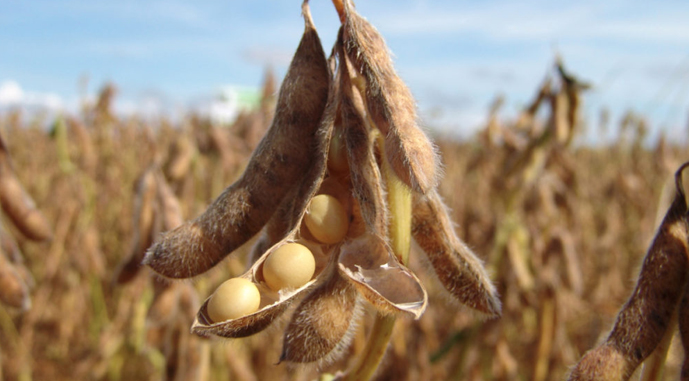
Ukraine can become a key supplier of soybeans to the European Union due to its large production volumes and readiness to comply with new requirements.
This was discussed during a panel discussion in the European Parliament, said Taras Vysotsky, Deputy Minister of Economy, Environment and Agriculture of Ukraine, reports the press service of the ministry.
He noted that there is a significant protein deficit in the EU, as powerful livestock production creates a consistently high demand for protein feed. Domestic soybean production is about 3 million tons, while the total demand exceeds 35 million tons. Ukraine annually produces about 6 million tons of soybeans, and a significant portion of this volume is supplied to the EU. Thus, Ukraine has already become a serious player in this market.
«The soybean sector is a good example of integration into the European market: it is not only about exports, but also about processing, certification and compliance with standards. It is a strategic presence in the European market: high productivity, ability to work under new environmental rules and meet strict EU standards. Our agricultural sector is already effectively integrated into the European system and at the same time is rapidly changing its role from a supplier of raw materials to a participant in the value chain. It's not just about exports. The logic of production is changing: processing volumes are increasing, processes are becoming more transparent, and quality is getting higher», — Taras Vysotsky emphasized.
Today, about 25% of Ukrainian soybeans produced without the use of GMOs meet certified EU standards. This means that there are structural changes at the farm level. Farmers are rebuilding their approaches — introducing modern technologies and updating practices.
At the same time, Ukraine as a strategic partner of the EU has other obvious advantages: geographical proximity, lower logistics costs, significant production potential and strong positions in the non-GMO segment. This is the area of greatest interest to European consumers and is beneficial for Ukrainian producers, as it allows them to add value.
At the same time, serious challenges remain. First of all, the EU regulatory requirements, which significantly complicate trade. In particular, we are talking about EUDR, a regulation that requires proving that products are not related to deforestation. For exporters, this means detailed traceability: the origin of each batch must be confirmed down to a specific land plot.
Also, the RED III directive, which regulates the use of raw materials for biofuels, sets sustainability criteria and imposes restrictions on crops that may cause indirect land use change (ILUC). Soybeans are planned to be included in this category. This means a large number of documents and inspections, digital product tracking, and additional certification costs. It will be extremely difficult to implement for small and medium-sized producers who do not have the resources to adapt quickly."
«The EU should act now and form a clear strategy for plant proteins. Ukraine is ready to be part of this process», — Taras Vysotskyi summarized.

 14 October 2026, 07:20517
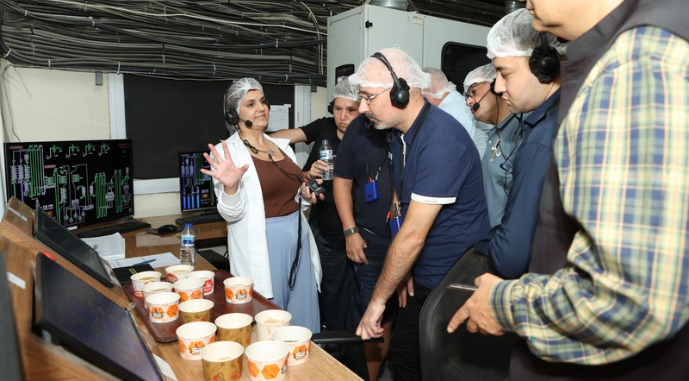
Chickpea and Lentil Paste: How One of the World's Largest Legume Processing Plants Operates
 02 October 2026, 07:201357
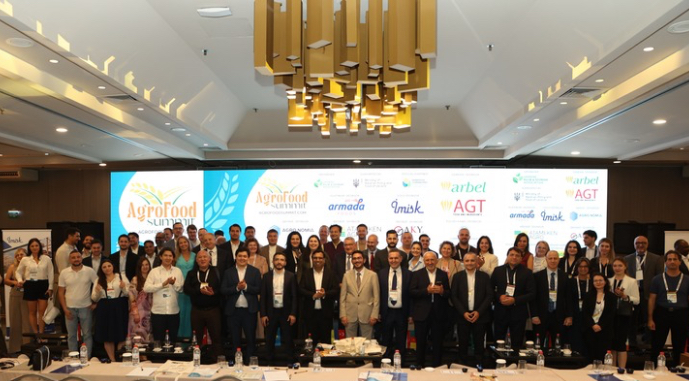
Shifting Trade Flows: What Opportunities Are Available to Ukrainian Producers?
 18 September 2026, 07:201583
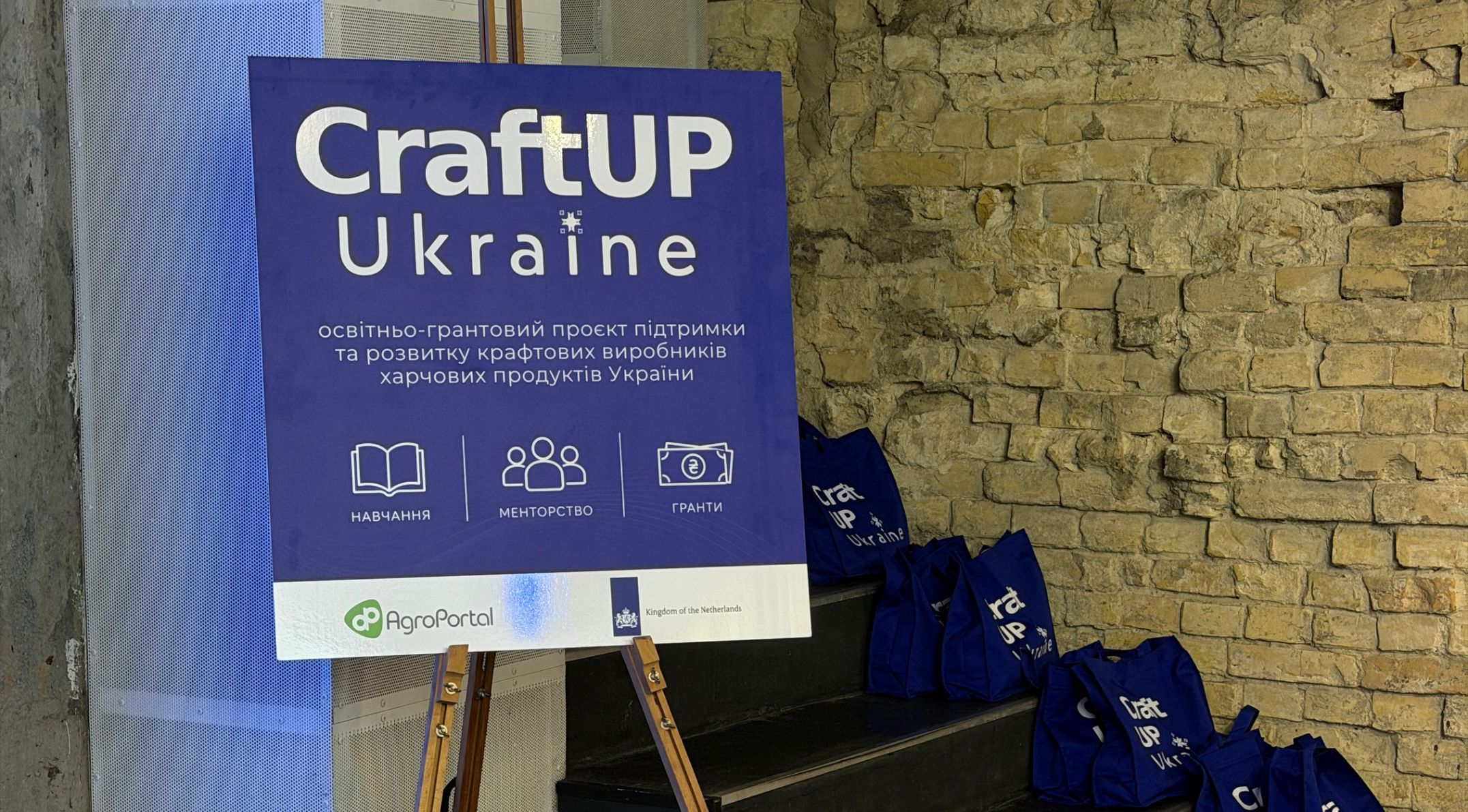
CraftUP Ukraine: Finalists Presented Their Business Projects and Received Grants
- 14 October 2026, 15:18 848
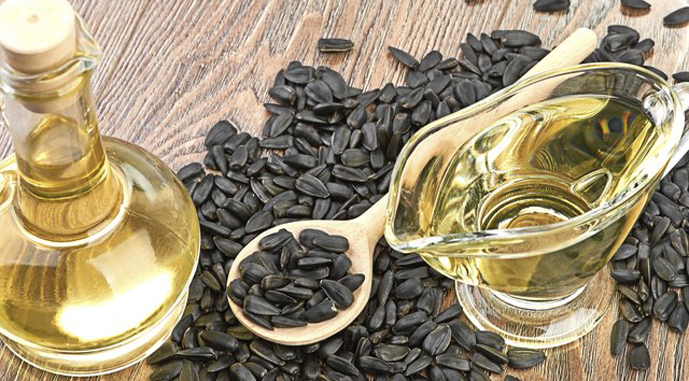 Kazakhstan Plans to Become World’s Fourth-Largest Sunflower Oil Exporter
Kazakhstan currently has 5.4 million tonnes of oilseed processing capacity, while new plants continue to be commissioned and existing facilities are being expanded. By 2029, oilseed processing capacity is expected to reach approximately 9 million tonnes.
- 23 August 2026, 10:24 1773
 EUDR Compliance Will Help Ukraine Maintain Its Position in Germany’s Soybean Market
Germany, one of Europe’s major consumers of soybeans for the feed industry, is tightening requirements for traceability and verification of the origin of imported raw materials.