
Gardening
 22 September 2026, 15:2529558
Walnut Prices Double
 12 September 2026, 06:185329
Cold-Pressed Oil and Macerates: How Processing Changes the Economics of a Walnut Orchard
 02 September 2026, 15:252180
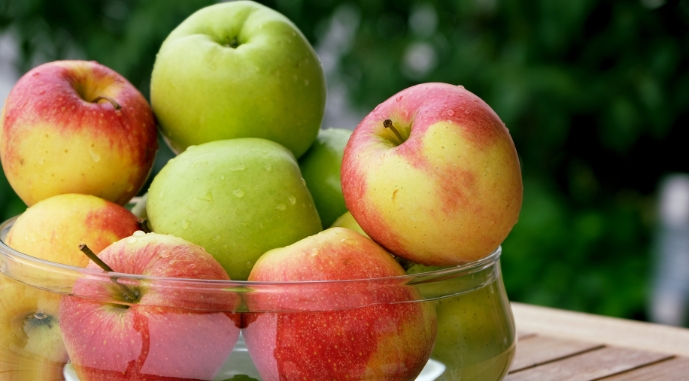
Apple Prices Decline in Ukraine
- 01 September 2026, 06:02 4927
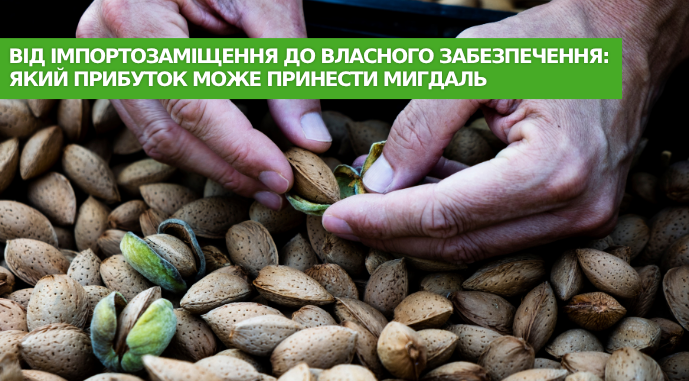 From Import Substitution to Self-Sufficiency: How Much Profit Can Almonds Generate?
Last year, Ukraine imported more than 4,000 tonnes of almonds, spending €23 million on them. These funds could have gone to local producers, as this nut can be successfully grown in Ukraine’s climate, especially given the state programmes supporting horticulture, which cover 16 regions.
- 27 August 2026, 06:11 3558
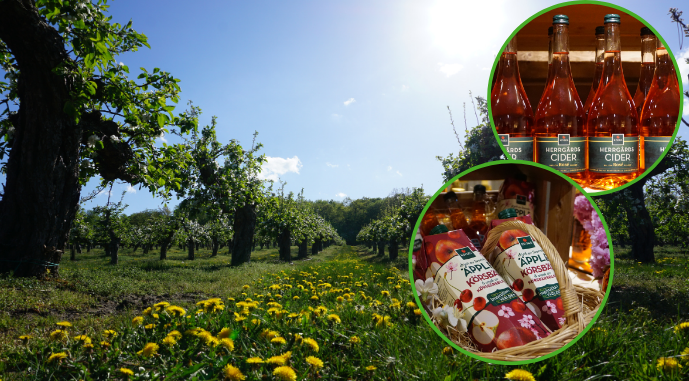 Kiviks Musteri: How a Family Apple Orchard Became One of Sweden’s Best-Known Brands
The Swedish family-owned company Kiviks Musteri, spanning five generations, is located in one of the most picturesque and environmentally valuable regions of southern Sweden — Österlen. Its grounds are literally immersed in a landscape shaped by nature, with Hanö Bay, Stenshuvud National Park and the company’s own apple orchards nearby.
- 16 August 2026, 06:28 3233
 Bitter Apples for Cider, Sweet Ones for Juice: How Apple Orchards Are Made Profitable in Zakarpattia
In autumn, there are plenty of apples in Zakarpattia. Sometimes, too many. They fall into the grass and lie beneath old trees. Until the 2000s, these apples could usually be sold for fairly good money. However, 15–20 years ago, people did not know what to do with their harvest. Old orchards began to decline, and local residents saw no point in taking care of the trees because they had stopped generating income. The work invested in them was no longer worthwhile, either financially or emotionally.
- 22 June 2026, 06:01 4035
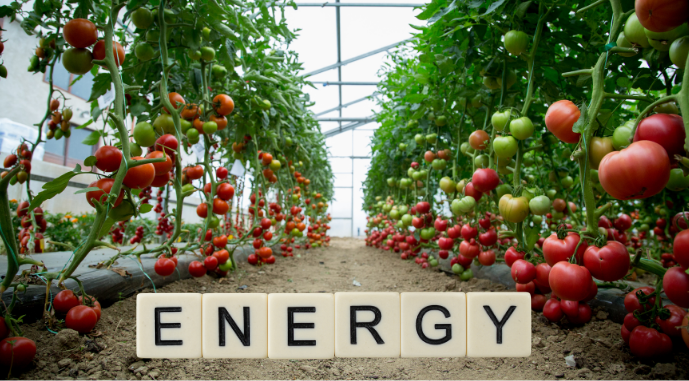 On the Verge of Survival: Greenhouse Growers Are Operating at a Loss Amid the Energy Crisis
The war and the energy shock have transformed Ukraine’s greenhouse business, but it remains a strategically important sector. Western regions are gradually forming new greenhouse hubs. Those who focus on the latest technologies are the ones surviving. With energy costs rising to 60–70%, domestically grown greenhouse vegetables and herbs are becoming uncompetitive. In such conditions, it is cheaper to import produce.
- 06 May 2026, 12:45 3410
 Apple price dynamics failed to meet producers’ expectations
Expectations of an increase in apple prices at the end of the season did not materialize, leading to financial losses for some producers.
- 25 April 2026, 10:23 4674
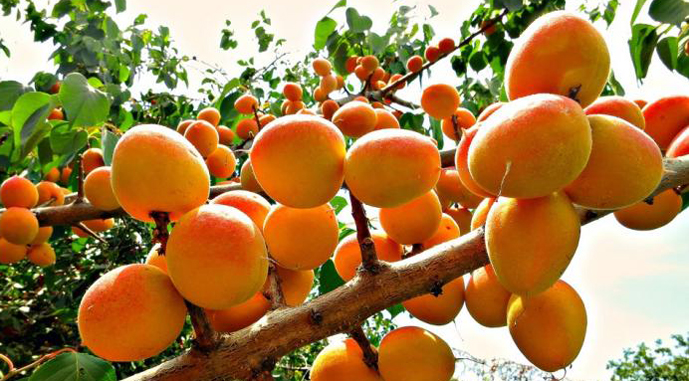 Apricot and peach shortages forecast in Ukraine: prices may rise by up to 80%
Ukraine may face a significant shortage of apricots and peaches in 2026 due to abnormal spring cold snaps that damaged a large share of the harvest.