
Ukraine outlines plans for EU negotiations on the agricultural sector
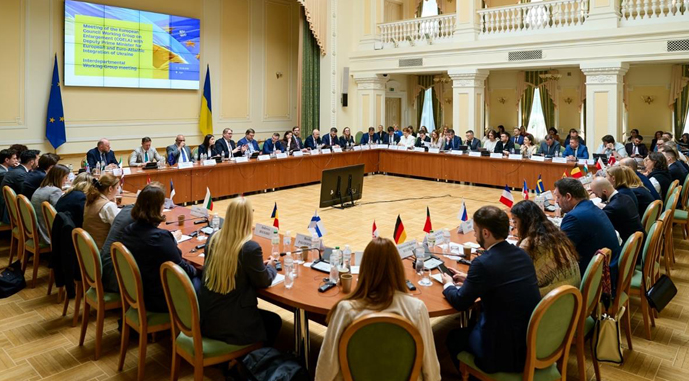
Ukraine is moving to a more practical stage of EU accession negotiations, with clear priorities for 2026, deadlines for achieving key benchmarks, and the preparation of negotiating positions by sector.
This was discussed during a meeting of the Interagency Working Group on ensuring the negotiation process for Ukraine’s accession to the EU and adapting national legislation to European standards, the press service of the Ministry of Economy, Environment and Agriculture reports.
In particular, the meeting presented the current state of preparation and priorities for implementing standards under Negotiation Chapter 12, «Food Safety, Veterinary and Phytosanitary Policy.» It covers a wide range of issues, including food safety, plant health, animal welfare, the use of GMOs and the state control system. This is one of the most complex chapters of the negotiation process, as it requires the simultaneous updating of legislation, development of institutions and implementation of modern control mechanisms.
Ukraine has already received 11 key benchmarks in this area, while the National Programme provides for 130 objectives, including the implementation of 177 EU legal acts.
Priorities include completing the harmonization of legislation in the field of animal welfare, developing the official control system, reforming competent authorities and introducing European approaches in the field of plant protection products.
«Chapter 12 is among the most complex and resource-intensive in the negotiation process. It covers legislative changes, institutional reform and the implementation of practical mechanisms in line with EU standards. Our task is to ensure such implementation of European norms that will strengthen the competitiveness of Ukraine’s agricultural sector, fisheries and aquaculture,» said Deputy Minister of Economy, Environment and Agriculture Taras Vysotskyi.
During the meeting, the participants also discussed the main positions on Chapter 11, «Agriculture and Rural Development.» This chapter provides for the creation of systems for managing state support, controlling the use of EU funds and developing the digital infrastructure of agricultural policy.
In 2026, the main focus will be on launching the Paying Agency, implementing the Integrated Administration and Control System (IACS), creating a system for managing EU funds, and developing digital solutions based on the State Agrarian Register. In total, the chapter provides for 46 objectives, including the implementation of 67 EU acquis acts.
«2026 should become a practical stage in Ukraine’s integration into the EU Common Agricultural Policy. Our task is to launch key institutions and digital systems that will ensure transparent management of support for the agricultural sector and effective integration into EU policies,» said Deputy Minister of Economy, Environment and Agriculture Denys Bashlyk.
At the same time, key challenges remain, including the need for significant financial resources, the development of IT infrastructure, the training of qualified personnel and the strengthening of institutional capacity.
 02 October 2026, 07:201188
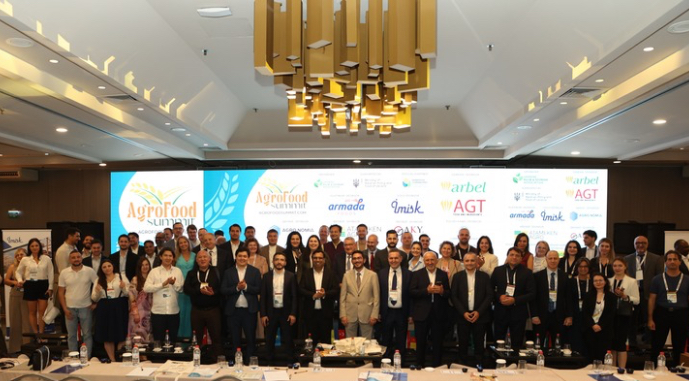
Shifting Trade Flows: What Opportunities Are Available to Ukrainian Producers?
 18 September 2026, 07:201447
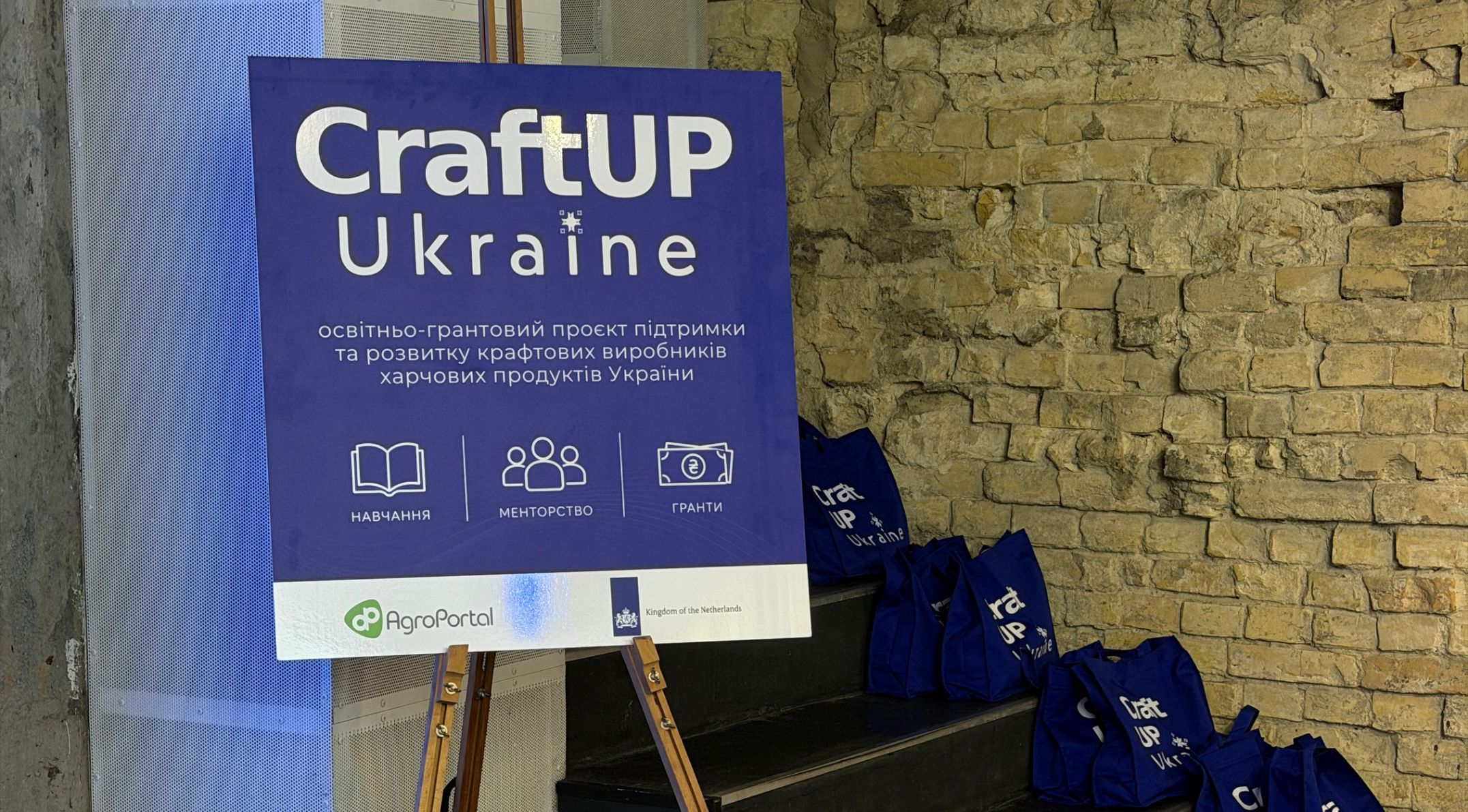
CraftUP Ukraine: Finalists Presented Their Business Projects and Received Grants
 03 August 2026, 07:201737
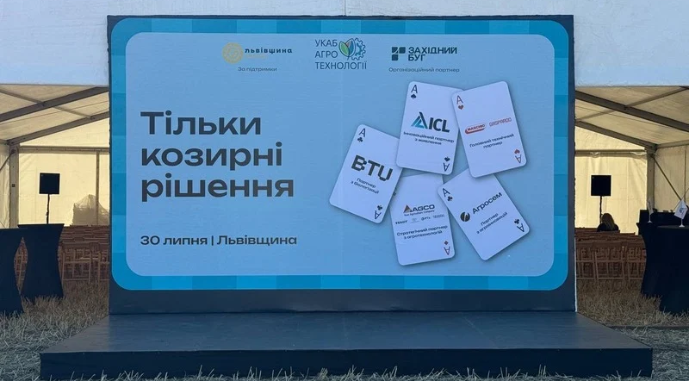
UCAB Agrotechnologies 2026. West: All Winning Solutions in One Field
- 09 October 2026, 08:38 987
 Trade with EU: 100% of Poultry Quota Allocated, Beef and Pork Quotas See No Demand
Significant changes were recorded in licensing quotas for poultry products and eggs as of 1 October 2026.
- 06 October 2026, 12:45 1013
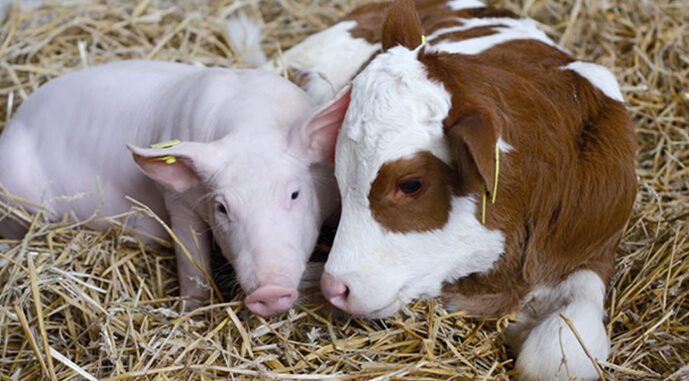 Ukraine Has Made Tremendous Progress in Animal Welfare
Ukraine is moving from legislative harmonisation to the practical implementation of European farm animal welfare standards.