
It is important to understand that a certain level of resistance from European farmers is natural — similar processes took place during previous EU enlargements. At the same time, most countries and producers in Europe understand that Ukraine is an important part of the common agricultural market. That is why our key task is both to adapt to the requirements and, together with business, to shape a vision for agricultural policy development that will meet European standards while also reflecting the real needs of Ukrainian producers.
Agricultural sector on the path to the EU: practical steps for Ukrainian farmers to adapt
25 May 2026, 06:19 6082
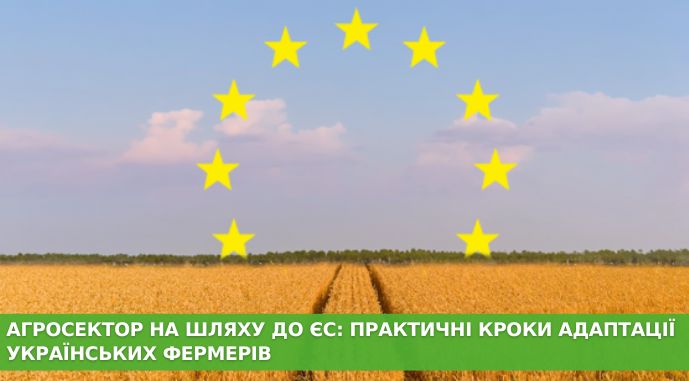
The European integration of Ukraine’s agricultural sector is now an entirely realistic development scenario for the industry. Ukraine has already implemented around 74% of the provisions of the Association Agreement related to agriculture and rural development, and 83% of those concerning food safety, veterinary and phytosanitary policy.
However, the achievability of most EU requirements and the ability of Ukraine’s agricultural sector to adapt to them is not so much about figures or future benefits for Ukrainian farmers — although the advantages are undeniable — as it is about the opportunity to renew and strengthen the European agri-food model itself.
The EU is a market of around 450 million consumers with high purchasing power and stable trade rules. Ukraine has already established itself there: in 2025, the European Union accounted for 47.5% of Ukraine’s agricultural exports, amounting to $10.7 billion.
Overall:
- Ukraine supplies 41% of the EU’s corn imports;
- 93% of the EU’s sunflower oil imports come from Ukraine;
- Ukraine also accounts for 68% of the EU’s soybean oil imports;a significant share of feed components in the EU depends on Ukrainian supplies.
However, compliance with requirements for product safety, traceability and environmental sustainability is decisive for securing Ukraine’s position in this key market. Therefore, the main priority for Ukrainian farmers now is practical preparation for operating under the new rules. Those who start analyzing their readiness for European Union standards and gradually implementing changes now will find this path easier. And all farmers, without exception, will have to follow it in order to remain competitive — even those who do not currently consider trading with the EU.

Taras Kachka, Deputy Prime Minister for European and Euro-Atlantic Integration of Ukraine
For its part, in order to adapt European norms to the real needs of Ukrainian producers and hear the voice of agribusiness, the state has initiated regional dialogues on European integration. Two such dialogues, initiated by the Office of the Deputy Prime Minister for European and Euro-Atlantic Integration and supported by the Ukraine2EU program, have already taken place in Vinnytsia and Myrhorod. AgroPortal.ua publishes the key messages voiced there.
Transition period of up to 10 years
Ukraine’s accession to the EU will increase the European Union’s agricultural land by 25%, adding 31% more arable land. Jerzy Plewa, Ukraine2EU expert and member of the Polish High-Level Advisory Group, former Director-General of the European Commission’s Directorate-General for Agriculture and Rural Development, does not see this as a threat. On the contrary, he notes that the agricultural systems of Ukraine and the EU naturally complement each other. However, there is one important condition: the success of integration will depend on how gradual, predictable and properly managed the process is. Brussels emphasizes quality and safety control, product traceability, effective institutions and a gradual transition.
Representatives of Ukraine’s agricultural sector are requesting a transition period of up to 10 years from accession for certain production standards. Whether official Kyiv will support this idea, and whether the European Commission and EU member state governments will agree to it, remains an open question.
According to Oleksandra Avramenko, Head of the European Integration Committee at the Ukrainian Agribusiness Club association, a long transition period takes into account the limited financial resources currently available to Ukrainian producers, the lack of support from the EU, and Ukraine’s limited institutional capacity. Therefore, she says, this is the most optimal and balanced approach to avoid harming Ukraine’s agricultural sector.
The proposal is included in a position paper prepared by UCAB jointly with other leading agricultural associations in the country and has been communicated both to Ukrainian officials and to Brussels circles.

Oleksandra Avramenko, Head of the European Integration Committee at the Ukrainian Agribusiness Club association
A decade-long roadmap, where each year clearly defines what we are doing, why we are doing it and how we are moving forward, will provide a clear understanding of which products will enter the market, when they will do so, how they will be controlled, and will help ease politicized tensions between sectors.
Ukrainian agricultural sector as part of the CAP
Ukraine’s official 33 million hectares of arable agricultural land — in fact, 24.5 million hectares of cultivated land in government-controlled territory, according to the editor’s note — more than France and Germany combined, make Ukraine appear to European farmers as an agricultural giant. These concerns are compounded by existing trade tensions: in 2021–2024, Ukrainian agricultural exports to the EU almost doubled, from more than $7 billion to nearly $13 billion.
Political debates further fuel emotions. Jerzy Plewa points out that claims based on the assumption that the current EU Common Agricultural Policy would be extended to Ukrainian agriculture suggest that the EU agricultural budget would need to increase by more than 25% from its current €56 billion per year. For European farmers, this sounds like a threat: «more competition means fewer subsidies».
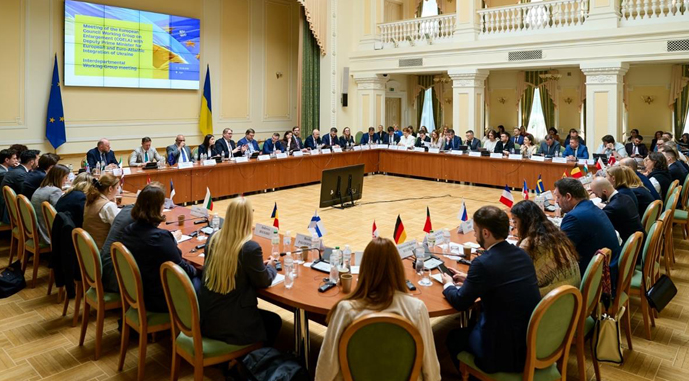

Ukraine, for its part, has stated that it is ready to consider deferred access to funding under the EU Common Agricultural Policy in order to accelerate the accession process. It should be noted that Europe reviews the CAP every seven years, and even within the European Union there is still no clear understanding of what support will look like for 2028–2034.
At the same time, Ukraine is not giving up on subsidies. Oleksandra Avramenko reminds that European producers once adapted to EU standards with access to funds that were available to them even before accession, while countries from the latest enlargement received additional funding for the modernization of rural areas.
Jerzy Plewa agrees that the starting conditions are unequal. European farmers have received support under the CAP for decades and have access to cheap loans and insurance. At the same time, they are required to comply with very high and costly standards in environmental protection and animal welfare. Ukrainian farmers, meanwhile, operate under wartime conditions, with higher risks and limited financing. However, experience shows that subsidies do not determine competitiveness. Before the war, Ukrainian agriculture grew steadily — by around 1.5% annually — despite minimal state support. Productivity was the driver.
The Polish expert warns Ukrainians against falling into another European integration trap — excessive focus on «per-hectare» payments. Real competitiveness is built through investment: in processing, storage, logistics, advisory services and access to finance.

Jerzy Plewa, expert of the Polish High-Level Advisory Group, former Director-General of the European Commission’s Directorate-General for Agriculture and Rural Development
In Ukraine’s agricultural sector, around 17,400 farms with land banks ranging from 100 to 5,000 hectares produce more than 75% of grain. This ‘middle class’ is the foundation of competitiveness. And it is this group that needs a well-designed, differentiated support policy. Poland has already gone through this path. There, small and medium-sized farms survived and became stronger thanks to specialization, cooperation and gradual modernization.
The most critical issues
Integration into the EU is strategic for Ukraine’s agricultural sector, as the European Union is our key trading partner, adds Taras Vysotskyi, Deputy Minister of Economy, Environment and Agriculture of Ukraine. It is about increasing the competitiveness of Ukrainian producers, gaining access to European farmer support programs and transitioning to a more stable and predictable model of sector development.
The best example of European integration already working in practice is the two most fundamental legislative changes for Ukraine’s agricultural sector in 2026: the introduction of mandatory animal welfare standards and new regulation on genetically modified organisms.

Taras Vysotskyi, Deputy Minister of Economy, Environment and Agriculture of Ukraine
Animal welfare standards became mandatory on March 2, 2026. As for GMOs, from September 2026 the regulation will be fully aligned with European requirements. Ukraine has chosen the path of being a country free from GMO cultivation, which is a competitive advantage not only on the EU market, but also on other global markets.
The next stage of legislative changes will begin in 2027. The most difficult issue here is plant protection products, where adaptation is currently the weakest. This concerns both restrictions on use and changes to the market authorization system, which, according to studies, could affect up to 10 million hectares of agricultural land.
These processes cannot be avoided. Of course, in order for the sector not to lose competitiveness, a phased approach is needed.
European integration of Ukraine’s agricultural sector has already begun; it is irreversible, and those who start adapting earlier will benefit — gaining access to new markets, financing and more efficient production models.
Read more about practical steps for Ukrainian farmers to adapt in crop production, livestock farming and the food industry in the next materials on AgroPortal.ua.
Alla Stryzheus, AgroPortal.ua


 02 October 2026, 07:201186
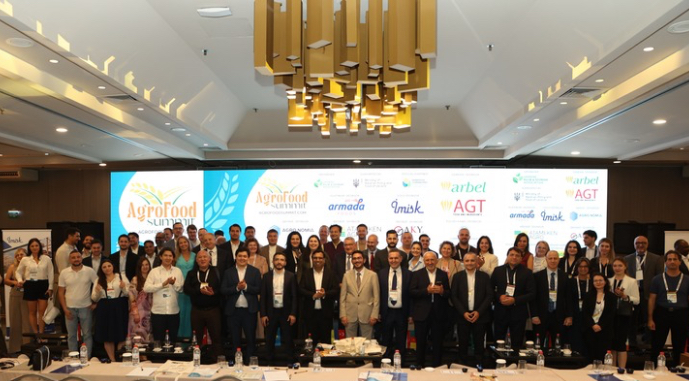
Shifting Trade Flows: What Opportunities Are Available to Ukrainian Producers?
 18 September 2026, 07:201444
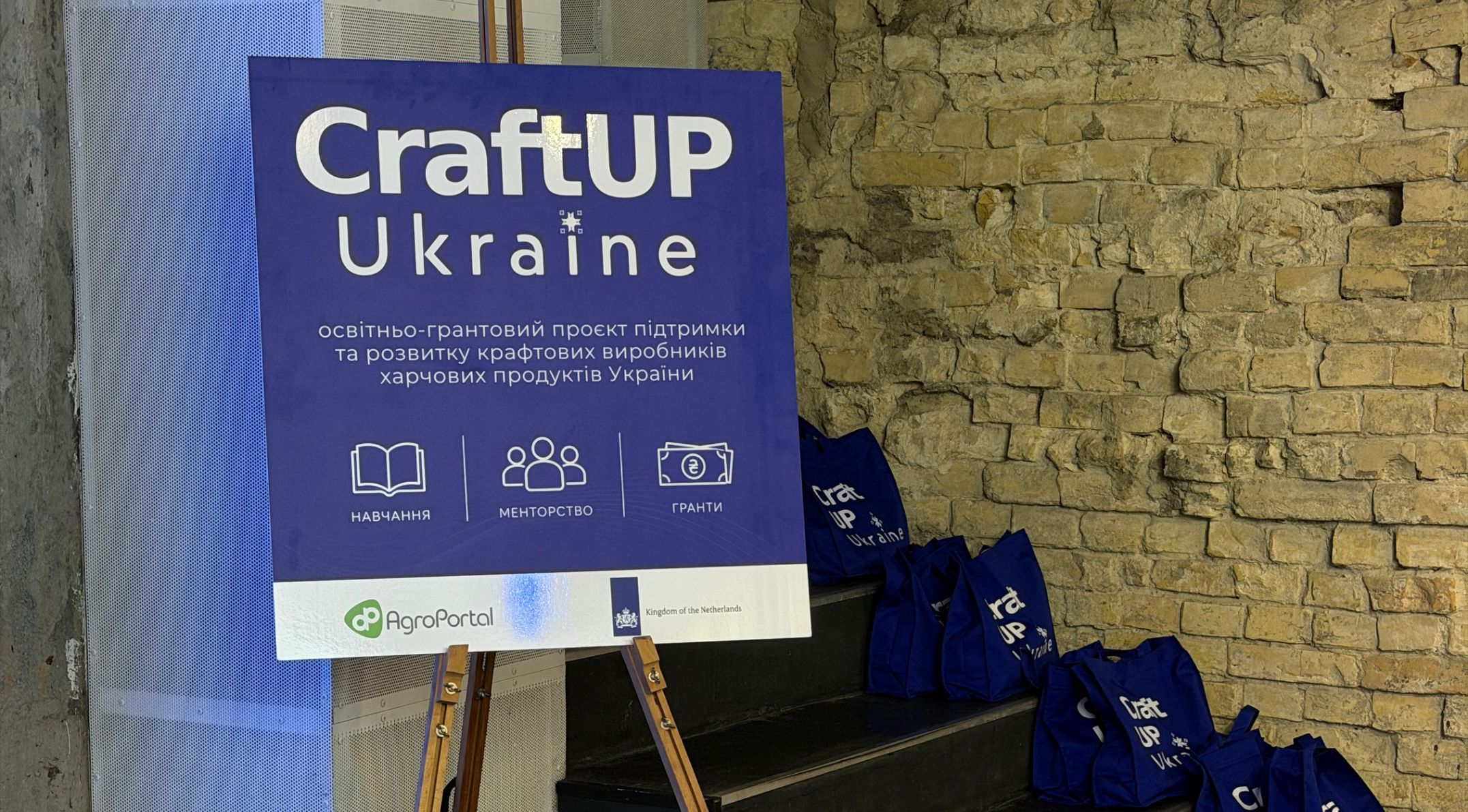
CraftUP Ukraine: Finalists Presented Their Business Projects and Received Grants
 03 August 2026, 07:201737
UCAB Agrotechnologies 2026. West: All Winning Solutions in One Field
- 09 October 2026, 08:38 981
 Trade with EU: 100% of Poultry Quota Allocated, Beef and Pork Quotas See No Demand
Significant changes were recorded in licensing quotas for poultry products and eggs as of 1 October 2026.