
European integration
 14 October 2026, 12:00944
European Commissioner: Ukraine to Join EU Agricultural Policy Under a Special Model
 12 October 2026, 08:003925
Ukrainian Agricultural Products Risk Losing Markets in Africa and Asia Due to EU Requirements
 06 October 2026, 12:451560
Ukraine Has Made Tremendous Progress in Animal Welfare
- 01 October 2026, 11:12 1646
 Ukraine Meets Conditions for Opening Three Agricultural Chapters in EU Accession Talks
Ukraine has fulfilled all the requirements for opening the agricultural chapters within the fifth cluster of negotiations on accession to the European Union and is currently awaiting a political decision.
- 29 September 2026, 08:00 1231
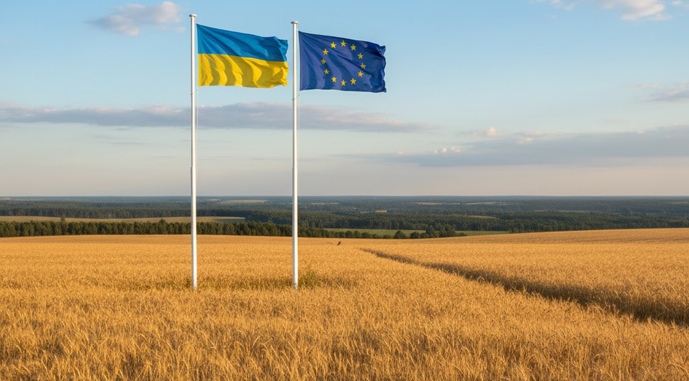 EU Agricultural Sector Risks Becoming Confined to Domestic Market Without Ukraine’s Potential
Ukraine can help the European Union move from responding to food crises around the world to finding ways to resolve them.
- 28 September 2026, 09:24 2795
 Optimistic Timeline for Ukraine’s EU Accession Announced
2032 is a realistic timeframe for Ukraine to join the European Union.
- 25 September 2026, 06:37 2497
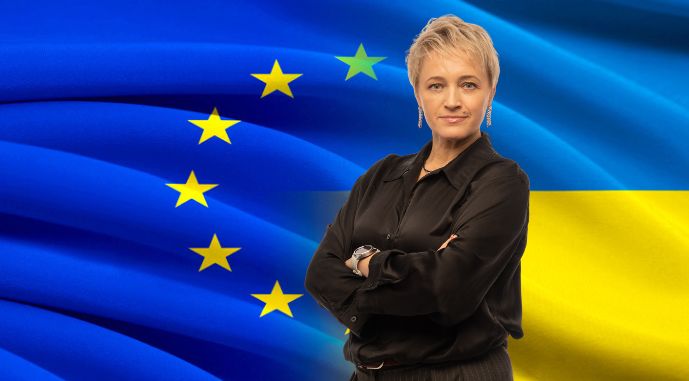 Olha Trofimtseva: Ukraine Needs the European Union No Less Than the EU Needs Ukraine
At the beginning of the year, Olha Trofimtseva took over as head of the APD Ukraine project, which focuses, among other things, on supporting Ukraine’s alignment with European Union policies. What the German-Ukrainian Agricultural Policy Dialogue has already managed to implement and what is still planned — in our conversation.
- 21 September 2026, 07:00 1402
 European GMP System and Its Implementation in Ukraine
Ukraine is transitioning to a new model for the regulation of veterinary medicinal products, an important part of which is the full implementation of Good Manufacturing Practice (GMP).
- 16 September 2026, 09:56 1870
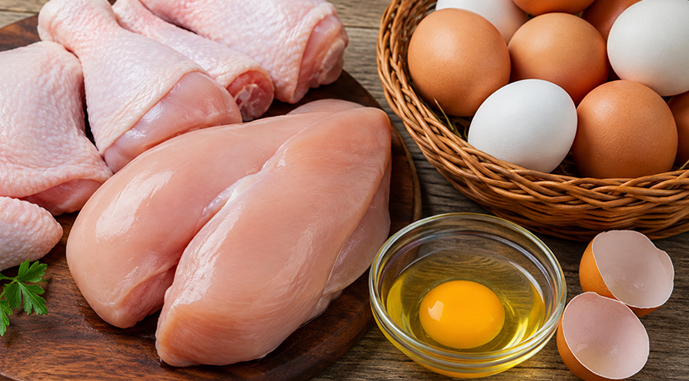 Another 22 Ukrainian Enterprises Gain the Right to Export Poultry Meat and Eggs to the EU
Enterprises accredited to export products to the European Union produce 83% of poultry meat and 75% of table eggs in Ukraine.
- 24 August 2026, 05:34 2793
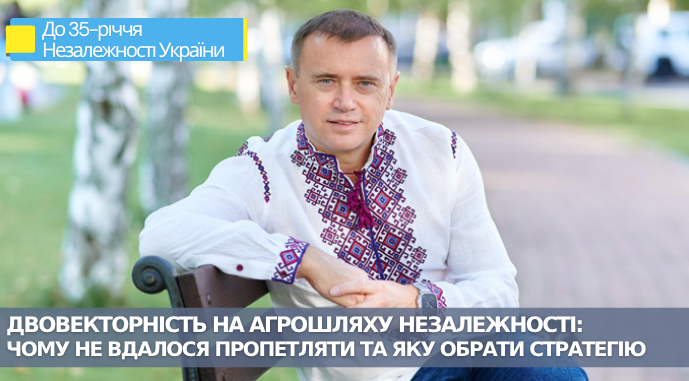 Dual-Track Approach on Ukraine’s Agricultural Path to Independence: Why Trying to Navigate Between Two Sides Failed and Which Strategy to Choose
Today, Ukraine marks the 35th anniversary of its independence and, along with it, 35 years of development of its agri-food sector. Over this period, the industry has transformed from the collective and state farm system into an agricultural business sector, becoming one of the largest players on the global market.
- 23 August 2026, 10:24 1831
 EUDR Compliance Will Help Ukraine Maintain Its Position in Germany’s Soybean Market
Germany, one of Europe’s major consumers of soybeans for the feed industry, is tightening requirements for traceability and verification of the origin of imported raw materials.
- 06 August 2026, 06:33 4294
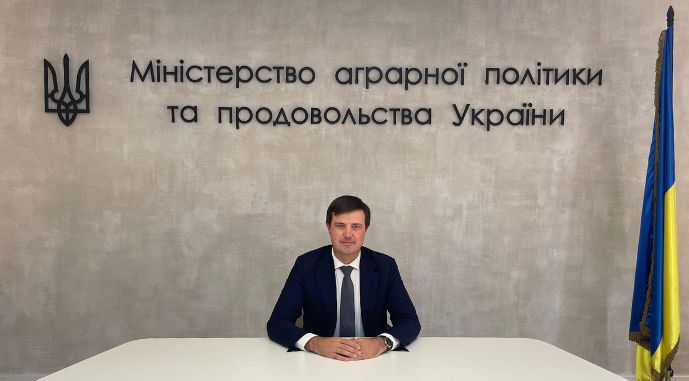 Taras Vysotskyi: I Will Work for the Public Good for as Long as the State Needs Me
Taras Vysotskyi is not a new figure at the agricultural ministry. Having served as Deputy Minister for seven years, both in a separate ministry and within merged ministries, he remained a source of stability for participants in the agri-food sector.
- 25 July 2026, 08:00 27859Poland Identifies the EU Countries Most Concerned About Ukraine's Agricultural Sector
Concerns over Ukraine's European integration are being voiced not only by farmers in Poland and neighbouring countries, but also by agricultural stakeholders in France and Spain.
- 20 July 2026, 06:30 3754
 The Agricultural Sector on the Path to the EU: Effective Steps to Adapt to New Requirements
Ukrainian agricultural producers—from large-scale operations to small-scale craft producers—are paying increasing attention to safety, traceability, and transparency in production. These principles are driven not only by changes in the legislative framework as Ukraine moves toward European integration, but also by consumer demand.
- 15 July 2026, 06:07 3846
 Agricultural Sector on the Path to the EU: Practical Steps for Adaptation in the Food Industry
In June, Ukraine officially opened negotiations with the European Union under the first negotiating cluster, Fundamentals. There are hopes that all negotiating clusters will be opened by the end of the summer, including the one covering the agricultural sector — Cluster 5, which encompasses agricultural policy, food safety, and fisheries.
- 10 July 2026, 07:00 1559Veterinary Medicinal Products Market: What Will Change for Business from July 1
Ukraine is moving along the path of European integration by harmonizing its legislation with EU rules. For the veterinary medicinal products market, this should mean modern regulation, predictable rules and favorable conditions for attracting investment and introducing innovation. However, certain provisions of the new legislation may have the opposite effect, creating additional regulatory barriers for international manufacturers and complicating access to high-quality veterinary medicinal products on the Ukrainian market.
- 05 July 2026, 08:00 5062
 Ukraine In The EU Is Not A Zero-Sum Game But A Guarantee Of Global Food Security
The future of European and Ukrainian agriculture is not a confrontation between Ukraine and the EU, but a partnership aimed at building a stronger and more resilient agricultural sector.
- 02 July 2026, 07:00 1885
 Europe's Ambitions Require Ukrainian Resources: Why Ukraine Should Be a Partner, Not Just a Supplier of Raw Materials
The European Union has already set the course for its future development—climate neutrality, energy security, and a competitive economy have become specific strategic goals enshrined in the European Green Deal, REPowerEU, RED III, and other initiatives.
- 24 June 2026, 06:06 4496
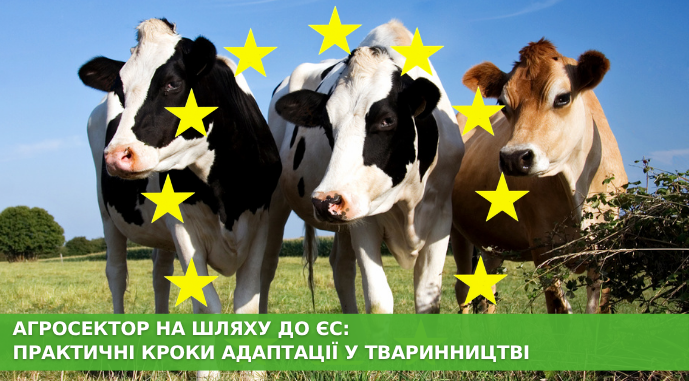 The Agricultural Sector on the Path to the EU: Practical Steps for Adaptation in Livestock Farming
Ukraine’s EU membership requires the adaptation of livestock farming to stricter standards for product safety, animal welfare and environmental regulations. At the same time, the changes and innovations that agricultural producers will have to implement on farms will help raise production standards and expand export opportunities for Ukrainian products.