
Grain exports

 02 October 2026, 12:441526
Ukraine Exported 2.4 Million Tonnes of Agricultural Products in September
 29 September 2026, 09:301580
Vysotskyi: No Grain Truce in the Black Sea Expected in the Coming Months
 25 September 2026, 08:001227
Ukraine Fulfils 43% of September Agricultural Export Plan
- 24 September 2026, 12:45 2312
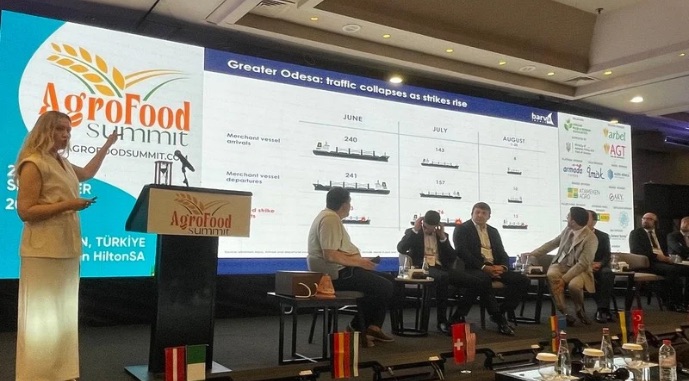 Global Markets Could Lose 38 Million Tonnes of Grain from the Black Sea Region if Ports Do Not Resume Normal Operations
The global market could receive up to 38 million tonnes less grain from the Black Sea region if the limited operation of Black Sea ports continues until the end of the 2026/27 season.
- 14 September 2026, 09:56 1933
 USDA Lowers Forecast for Ukraine’s Wheat and Barley Exports
The US Department of Agriculture (USDA) has raised its production forecasts and lowered its estimates for wheat and barley exports from Ukraine in the 2026/27 marketing year.
- 11 September 2026, 14:18 2574
 AgroFoodSummit: What Will Shape Global Agricultural Markets in the 2026/27 Season
Global agricultural markets are entering the 2026/27 season amid shifting trade flows, intensifying competition for key buyers, and the growing influence of geopolitics and logistics on trade. How these factors will reshape markets in the new season and where opportunities will emerge for producers, traders and processors will be the central theme of AgroFoodSummit 2026, which will take place on September 24–25 in Mersin, Türkiye.
- 07 September 2026, 13:50 1874
 Ukrzaliznytsia Estimates Grain Export Potential via Moldova at 4.5 Million Tonnes per Year
Ukrzaliznytsia considers an estimate of the potential throughput capacity of the rail route through Moldova for grain exports at 4.5 million tonnes per year to be realistic. At the same time, the company sees opportunities to further increase transportation volumes along this route.
- 07 September 2026, 11:13 1578
 Ukraine Exports 1.8 Million Tonnes of New-Crop Wheat
As of September 4, exports of grains and pulses from Ukraine in the 2026/27 marketing year amounted to 3.9 million tonnes, which is 14% less than in the previous season.
- 03 September 2026, 08:37 1631
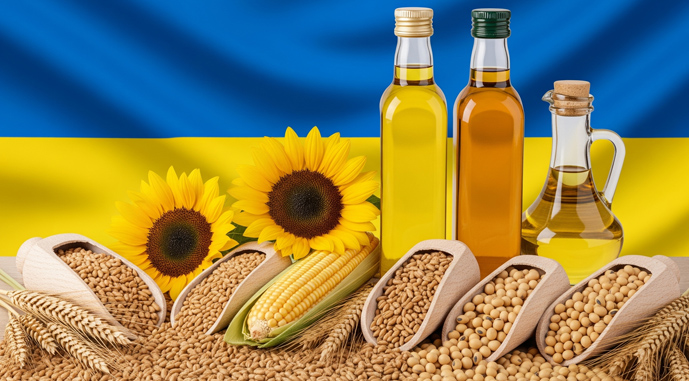 Ukraine’s Agricultural Exports Fall by 40%: Corn and Barley Lead the Decline
Exports of the main groups of agri-food products from Ukraine amounted to around 2.15 million tonnes, which is 41.5% less than in July, when 3.67 million tonnes were exported.
- 01 September 2026, 12:00 1120
 Eased Inspections Proposed in EU Ports for Vessels Carrying Ukrainian Grain
Europe should establish a special Port State Control regime for vessels carrying agricultural products from Ukraine.
- 31 August 2026, 14:43 1486
 AgroFoodSummit: Turning Challenges into New Contracts and Opportunities
Over the past few weeks, the situation on the global grain market has deteriorated sharply. Due to attacks on port and shipping infrastructure, buyers have begun looking for alternatives to Black Sea wheat. Cargoes are being delayed and cancelled, while wheat futures are rising.
- 27 August 2026, 08:00 1640
 Ukraine’s Sown Area May Shrink by 20% Due to Port Blockade
The blockade of Ukraine’s Black Sea ports is putting the spring sowing season at risk.
- 20 August 2026, 15:23 1719
 Ukraine Exported 900,000 Tonnes of Agricultural Products in August: Grain Faces the Biggest Challenge
From August 1 to 18, Ukraine exported 900,000 tonnes of agricultural products. This represents 31% of the volume that could have been exported if there had been unrestricted access to the ports of Greater Odesa.
- 18 August 2026, 08:00 1330
 Ukraine and the EU Increased Agricultural Trade: Which Countries Accounted for 70% of Turnover
Trade turnover in agricultural goods between Ukraine and the European Union in January–June 2026 increased by $847 million (+11%) compared with the same period last year and amounted to $8.55 billion.
- 15 August 2026, 08:42 3007
 Shifting Grain Exports to Alternative Routes Means $3 Billion in Additional Costs
Alternative routes for exports of grain, oilseeds and their processed products through the Danube region, by rail and road transport, during periods of their active use, provided a maximum of up to 50% of the volume that was shipped through the ports of Greater Odesa.
- 14 August 2026, 12:00 1383
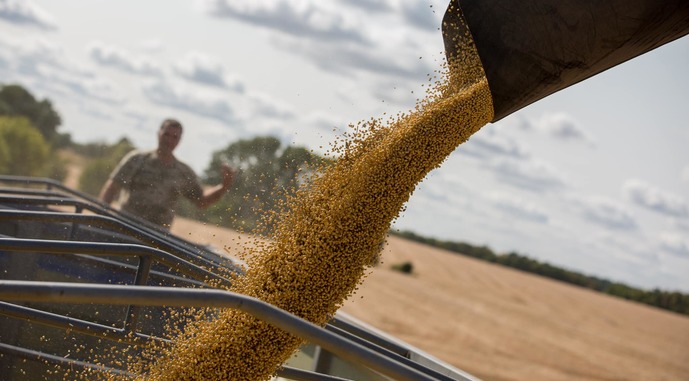 Alternative Routes Will Be Able to Handle a Maximum of 50% of Agricultural Exports
In August, vessels are no longer calling at the ports of Greater Odesa. From August 1 to 12, Ukraine exported 590 thousand tonnes of grain, which is 30% of the required volume. Currently, about 45% of agricultural exports are transported by rail, about 45% through the Danube region, and 10% by road.
- 14 August 2026, 08:45 2130
 Port Blockade Could Cost Ukraine’s Agricultural Sector $20.5 Billion in Unsold Products
The suspension of exports through seaports could result in tens of billions of dollars in lost revenue for Ukraine’s agricultural sector.
- 11 August 2026, 15:27 2008
 Ukraine and Poland Seek Ways to Increase Transit of Agricultural ProductsUkraine is working to maximise the use of alternative routes for agricultural exports.
 - 11 August 2026, 09:52 1990
 Ministry of Agrarian Policy Downgrades Grain Export Forecast Due to Attacks on Ports
Ukraine’s grain exports in the 2026/27 marketing year will amount to 38–40 million tonnes, which is 12% lower compared with previous estimates.