
Agrologistics

 02 October 2026, 12:441691
Ukraine Exported 2.4 Million Tonnes of Agricultural Products in September
 29 September 2026, 09:301698
Vysotskyi: No Grain Truce in the Black Sea Expected in the Coming Months
 24 September 2026, 08:001499
Ukraine Asks EU for $2 Billion to Cover Agricultural Export Costs via the Baltic
- 16 September 2026, 08:00 1420
 Port Blockade Could Force Farmers to Reduce Land Cultivation: 7 Million Hectares at Risk
Ukrainian farmers may reduce sown areas if the blockade of seaports continues.
- 10 September 2026, 08:44 3158
 Ukrainian Corn Is Losing Markets as Argentina Actively Takes Its Place
Argentina’s corn exports in August–September will reach a record 10 million tonnes as buyers seek an alternative to Ukrainian grain, supplies of which have declined due to hostilities in the Black Sea.
- 02 September 2026, 09:25 1725
 russian Attacks on Vessels and Grain Theft: Ukraine Raises the Issue at the UN
russia is systematically attacking Ukraine’s agricultural and port infrastructure, civilian vessels and maritime routes in an attempt to undermine Ukraine’s export potential.
- 01 September 2026, 12:00 1142
 Eased Inspections Proposed in EU Ports for Vessels Carrying Ukrainian Grain
Europe should establish a special Port State Control regime for vessels carrying agricultural products from Ukraine.
- 25 August 2026, 14:55 1424
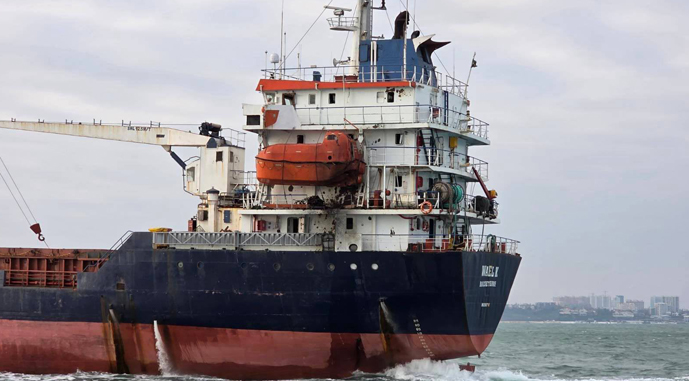 During the War, russia Attacked 260 Merchant Vessels Heading to Ukraine
Minister for Restoration, Infrastructure and Transport of Ukraine Mykola Kalashnyk appealed to Secretary-General of the International Maritime Organization (IMO) Arsenio Antonio Dominguez Velasco in connection with the sharp deterioration of the security situation and freedom of navigation in the Black Sea.
- 25 August 2026, 09:58 1685
 Zelenskyy: russia Is Not Ready for a Maritime Truce for Grain Exports
russia was the first to resume attacks on the Ukrainian grain corridor, and Ukrainian strikes on russian agricultural exports are justified.
- 22 August 2026, 08:41 1819
 Port Blockade Could Accelerate the Development of Agricultural Processing in Ukraine
Problems with the maritime export of agricultural products could stimulate the development of domestic processing in Ukraine.
- 21 August 2026, 13:21 1729
 Ukraine Asks Poland to Double the Number of Trains Crossing the Border
Ukraine has officially approached the Polish side with a proposal to double the number of trains crossing border checkpoints.
- 15 August 2026, 08:42 3030
 Shifting Grain Exports to Alternative Routes Means $3 Billion in Additional Costs
Alternative routes for exports of grain, oilseeds and their processed products through the Danube region, by rail and road transport, during periods of their active use, provided a maximum of up to 50% of the volume that was shipped through the ports of Greater Odesa.
- 14 August 2026, 12:00 1411
 Alternative Routes Will Be Able to Handle a Maximum of 50% of Agricultural Exports
In August, vessels are no longer calling at the ports of Greater Odesa. From August 1 to 12, Ukraine exported 590 thousand tonnes of grain, which is 30% of the required volume. Currently, about 45% of agricultural exports are transported by rail, about 45% through the Danube region, and 10% by road.
- 14 August 2026, 08:45 2156
 Port Blockade Could Cost Ukraine’s Agricultural Sector $20.5 Billion in Unsold Products
The suspension of exports through seaports could result in tens of billions of dollars in lost revenue for Ukraine’s agricultural sector.
- 11 August 2026, 15:27 2039
 Ukraine and Poland Seek Ways to Increase Transit of Agricultural ProductsUkraine is working to maximise the use of alternative routes for agricultural exports.
 - 06 August 2026, 12:00 2512
 It Will Take a Month to Return to Previous Export Volumes After Port Operations Resume
Russian attacks on civilian vessels and port infrastructure have effectively halted traffic to the ports of Greater Odesa. Ukraine is expanding exports by rail, road and via the Danube. However, these routes will be able to provide only about half the capacity of the Black Sea ports. This poses a threat to exports of Ukraine’s harvest and the stability of global food markets.
- 05 August 2026, 09:47 1638
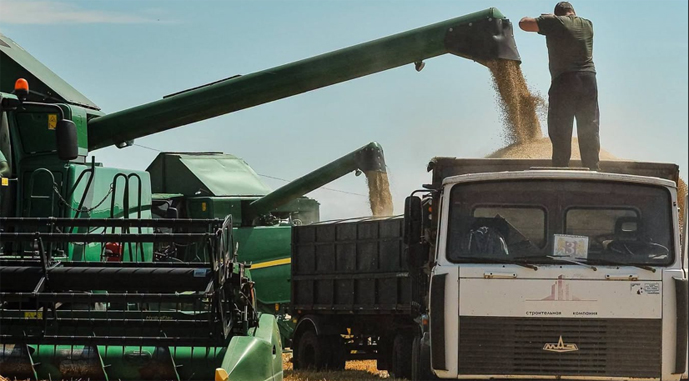 Agricultural Sector Losses from Export Disruptions Could Reach $1.5–3 Billion
Using alternative logistics routes will cost agricultural producers an additional €50–70 per tonne of products, while the total losses of Ukraine’s agricultural sector could amount to $1.5–3 billion. This is why the support of international partners is critically important both for Ukraine and for preserving global food security.
- 31 July 2026, 08:45 1631
 Port Blockade: Wheat Market Expected to Face the Most Severe Impact
The suspension of seaborne exports is expected to have the greatest impact on Ukraine’s wheat market.
- 30 July 2026, 11:08 1470
 Prime Minister Comments on the Situation at Ukraine’s Ports
The Ukrainian government, the diplomatic corps, and all relevant state institutions are working around the clock to restore the normal operation of the country’s ports.