
European Union
 09 October 2026, 08:381342
Trade with EU: 100% of Poultry Quota Allocated, Beef and Pork Quotas See No Demand
 05 October 2026, 13:231167
Ukraine’s Share of EU Rapeseed Oil Imports Exceeds 75%
 01 October 2026, 11:121569
Ukraine Meets Conditions for Opening Three Agricultural Chapters in EU Accession Talks
- 01 October 2026, 08:45 1180
 Ukraine Drops Out of Top 10 Largest Buyers of European Agricultural Products
The European Union exported €2.68 billion worth of agricultural products to Ukraine in January–July 2026. This was €239 million, or 10%, more than in the same period of 2025.
- 30 September 2026, 10:33 1682
 MHP Expands Its Presence in Europe’s Poultry Sector
In June, MHP acquired Payan Hermanos (Spain) and gained control over Incusur (Spain).
- 29 September 2026, 08:00 1196
 EU Agricultural Sector Risks Becoming Confined to Domestic Market Without Ukraine’s Potential
Ukraine can help the European Union move from responding to food crises around the world to finding ways to resolve them.
- 24 September 2026, 08:00 1451
 Ukraine Asks EU for $2 Billion to Cover Agricultural Export Costs via the Baltic
Ukraine has appealed to the European Union and other international partners for $1.5–2 billion to compensate for the additional costs of exporting grain through Baltic ports.
- 22 September 2026, 09:23 1142
 450 Ukrainian Companies Authorised to Export Livestock Products to the EU
As of the beginning of 2026, 448 Ukrainian enterprises are authorised to export products of animal origin to European Union countries.
- 21 September 2026, 08:00 1498
 Juice, Poultry Meat and Sugar: Which EU Quotas Ukraine Is Using Most Actively
As of mid-September 2026, Ukraine continues to actively use tariff quotas for supplies of agri-food products to the European Union.
- 05 September 2026, 12:00 1625Ukraine Among the Top 10 Largest Buyers of European Agricultural Products
In January–June 2026, the European Union exported €2.32 billion worth of agricultural products to Ukraine. This is €247 million, or 12%, more than in the same period of 2025.
- 27 August 2026, 13:22 1247
 More Than 75% of Ukraine’s Egg Exports Go to the EU
In July of this year, Ukraine exported 216.9 million eggs worth $17.7 million.
- 18 August 2026, 08:00 1329Ukraine and the EU Increased Agricultural Trade: Which Countries Accounted for 70% of Turnover
Trade turnover in agricultural goods between Ukraine and the European Union in January–June 2026 increased by $847 million (+11%) compared with the same period last year and amounted to $8.55 billion.
- 05 July 2026, 08:00 5027
 Ukraine In The EU Is Not A Zero-Sum Game But A Guarantee Of Global Food Security
The future of European and Ukrainian agriculture is not a confrontation between Ukraine and the EU, but a partnership aimed at building a stronger and more resilient agricultural sector.
- 02 July 2026, 08:00 1699
 Ukraine Ranks Among the Top Three Sugar Suppliers to the EU
Ukraine ranks third among sugar suppliers to the European Union, holding an 11% share of total imports.
- 25 June 2026, 16:06 2277
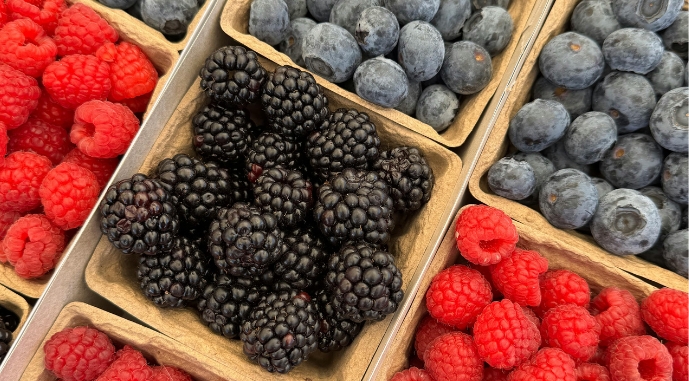 Top 10 Buyers of Ukrainian Organic Berries
Poland leads in terms of purchases of organic berries from Ukraine.
- 23 June 2026, 11:07 1474
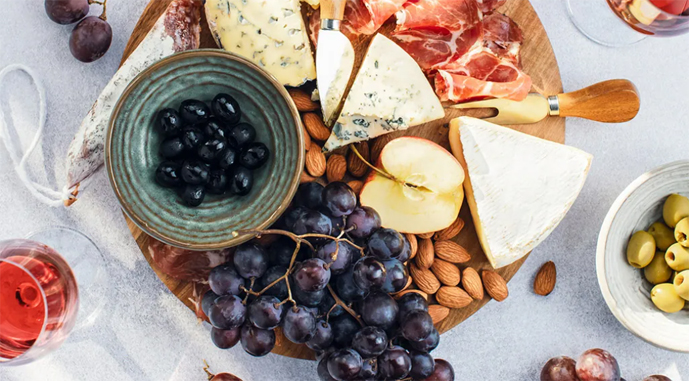 Number of Geographical Indications in the EU Reaches 3,700
The European Commission has registered more than 3,700 geographical indications (GIs). This helps protect Europe’s rich heritage of food and beverage products.
- 20 June 2026, 08:41 1570
 Swift Opening of the Agricultural Cluster in EU Negotiations Will Benefit Ukraine
Ukraine will benefit from the earliest possible start of negotiations with the European Union in the agricultural sector.
- 03 June 2026, 10:31 1188
 Organic Products with Strong Growth Potential in the EU Market Identified
Demand for organic gluten-free products, functional ingredients for the food industry, dairy products, and processed berries is growing across the European market.
- 27 May 2026, 12:44 1055
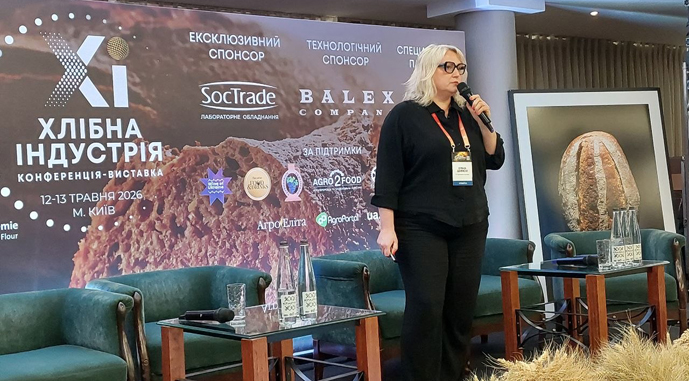 Organic Ukrainian Raw Materials for the Baking Industry Remain Invisible in the EU
Ukrainian organic raw materials for the baking industry have significant potential in the European market. However, products that are actively supplied in the B2B segment usually remain invisible to the end consumer in the EU.