
Analytics
 08 October 2026, 06:162565
No Supplier Gap Will Remain: Importers Seek Alternatives to Pulses from the Black Sea Region
 02 October 2026, 06:021880
Third Season in Surplus: Global Durum Wheat Trade Is Slowing
 01 September 2026, 06:024927
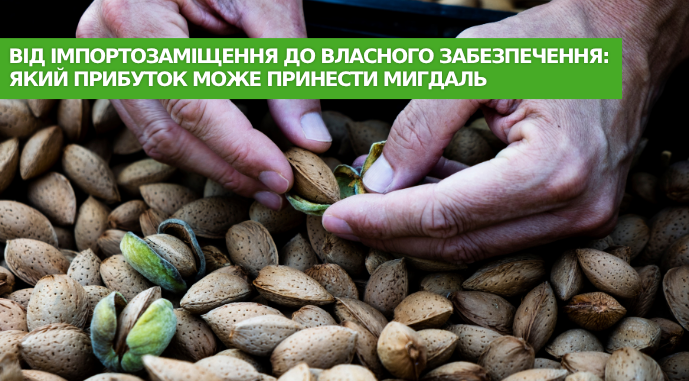
From Import Substitution to Self-Sufficiency: How Much Profit Can Almonds Generate?
- 07 July 2026, 06:07 7206
 El Niño Opens a Window of Opportunity for Ukrainian Grain Exports
Record-breaking heat across Europe has had only a limited impact on early grain crops, but corn losses are expected. Ukrainian grain could help offset these shortages, although export opportunities will largely depend on logistics.
- 01 July 2026, 06:22 5771
 More Than a Million Hectares: Five-Year Results of Land Reform
Skeptical expectations regarding land reform have not materialized: Ukrainian soil is not being hauled away by the traincarload, and the oligarchs have not bought up all the fields. Instead, land prices are rising, and leasing has become more transparent, generating additional revenue for local communities. However, it is still difficult to use land shares as collateral.
- 05 May 2026, 06:03 5002
 Biological solutions: a strategic response to EU requirements for the agricultural sector
For Ukrainian farmers, the European Union is the most important market, one that is already shaping export strategies and production technologies. In January–February 2026 alone, Ukraine exported 9.95 million tonnes of agricultural products worth a total of $4 billion. At the same time, foreign currency revenues from agricultural exports increased by 9.3% compared with last year, while the EU’s share in total exports amounted to about 50%.
- 16 April 2026, 05:42 9333
 Diesel fuel has increased in price by 67%. How this will affect the cost of growing major crops
The production cost of major crops will increase by 14-17% this year, including wheat by 14%, corn by 17%, and sunflower by 16%.