

Grain Shipments Rerouted to Constanța Add $30–40/t to Logistics Costs
Agricultural Sector Losses from Export Disruptions Could Reach $1.5–3 Billion
05 August 2026, 09:47 1711
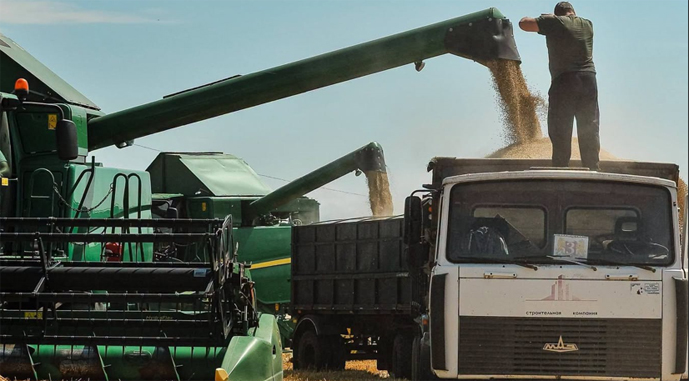
Using alternative logistics routes will cost agricultural producers an additional €50–70 per tonne of products, while the total losses of Ukraine’s agricultural sector could amount to $1.5–3 billion. This is why the support of international partners is critically important both for Ukraine and for preserving global food security.
This was stated by Ukraine’s Minister of Agrarian Policy and Food, Taras Vysotskyi, during a meeting with Ricardo López-Aranda Jagu, Ambassador Extraordinary and Plenipotentiary of the Kingdom of Spain to Ukraine.
Taras Vysotskyi emphasized that the maritime route remains critically important for Ukraine’s agricultural exports. Approximately 90% of Ukraine’s grain and oilseed exports are shipped through Black Sea ports, while alternative logistics routes are physically incapable of fully replacing maritime transport. According to him, even under the most favorable conditions, rail, road, and Danube routes can ensure only 45–50% of the country’s annual agricultural exports.
«Today, we are effectively facing once again the challenge we experienced at the beginning of the full-scale invasion. No alternative route is capable of fully replacing seaports,» Taras Vysotskyisaid.
The parties also discussed the risks facing the harvesting campaign and the storage of the new crop. If the situation does not change, Ukraine may face a storage capacity shortage of 11 million tonnes as early as this autumn.

 23 October 2026, 07:201198
Ukraine Showcases Food Exports at SIAL Paris 2026
 14 October 2026, 07:201865
Chickpea and Lentil Paste: How One of the World's Largest Legume Processing Plants Operates
 02 October 2026, 07:201851
Shifting Trade Flows: What Opportunities Are Available to Ukrainian Producers?
- 28 October 2026, 06:04 3029
 Restructuring Export Strategies: What Agricultural Producers Are Selling First
Agricultural exports through the Greater Odesa ports have been halted, while alternative routes make the logistics cycle longer and significantly more expensive, substantially affecting the economics of exports. As a result, most agricultural companies are restructuring their export strategies.