
international trade
 11 September 2026, 14:182570
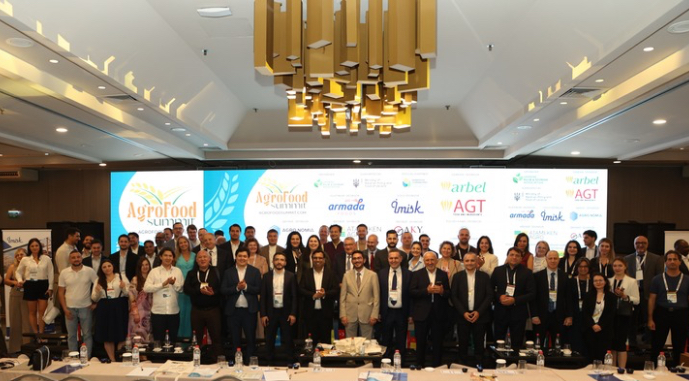
AgroFoodSummit: What Will Shape Global Agricultural Markets in the 2026/27 Season
 14 August 2026, 12:001380
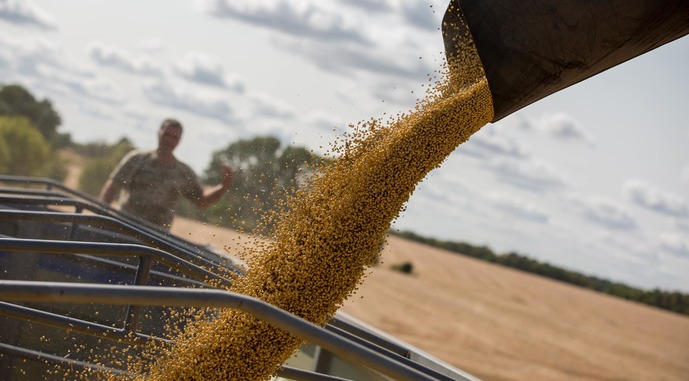
Alternative Routes Will Be Able to Handle a Maximum of 50% of Agricultural Exports
 08 August 2026, 08:001833
Ukraine Exported 34% Less Rapeseed to the EU Than Last Year
- 06 August 2026, 12:00 2451
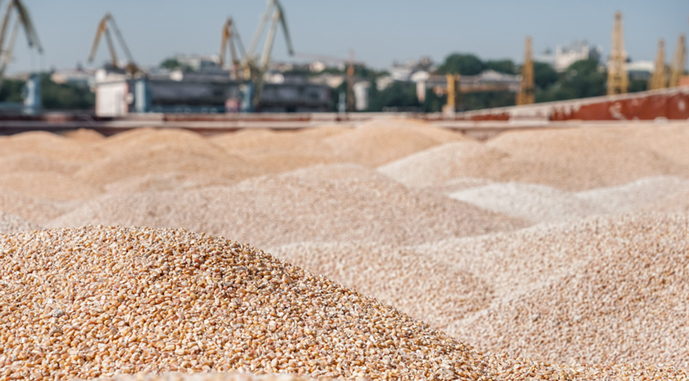 It Will Take a Month to Return to Previous Export Volumes After Port Operations Resume
Russian attacks on civilian vessels and port infrastructure have effectively halted traffic to the ports of Greater Odesa. Ukraine is expanding exports by rail, road and via the Danube. However, these routes will be able to provide only about half the capacity of the Black Sea ports. This poses a threat to exports of Ukraine’s harvest and the stability of global food markets.
- 04 August 2026, 11:08 2790
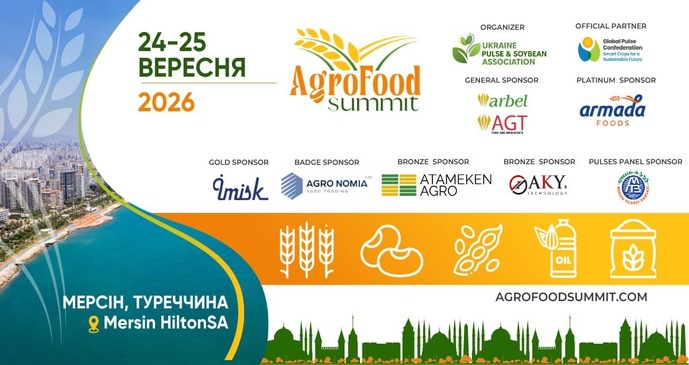 AgroFoodSummit: Ukraine and Türkiye are entering a new chapter in agricultural trade
Following the ratification of the Free Trade Agreement between the two countries, the first major international business event dedicated to exploring new opportunities will be AgroFoodSummit 2026, taking place on 24–25 September in Mersin — a strategic Mediterranean port and one of the region's leading logistics hubs for global agricultural trade.
- 16 July 2026, 11:10 1325
 Ukraine’s Pasta Exports More Than Doubled in the 2025/26 Marketing Year
Exports of pasta products and couscous from Ukraine recorded the strongest growth among processed grain products in the 2025/26 marketing year.
- 12 June 2026, 13:50 1797
 Ukraine Has a Chance to Return to Free Sugar Trade with the EU
The EU–Ukraine Association Agreement provides for a review of trade quotas every five years. However, due to the full-scale war and the introduction of the Autonomous Trade Measures (ATM) regime, the timeline has shifted, and the next quota review is expected on January 1, 2028. At the same time, if Ukraine accelerates its integration into the European Union, there may be an opportunity to return to a free sugar trade regime.
- 10 June 2026, 12:00 1160
 Ukraine’s Trade Turnover: the Agricultural Sector Generated the Highest Revenue for the Economy
According to the results of January–May 2026, Ukraine’s trade turnover showed a significant imbalance. During this period, goods worth $40.5 billion were imported into the country, while export volumes were more than twice as low — only $17.5 billion.
- 04 June 2026, 07:01 3926
 Grain Market: Eight Factors That Will Influence Grain Prices Until 2030
The wheat and corn market is entering its most turbulent period in the past thirty years. Previous crises — the global food crisis of 2007–2008, supply disruptions in 2010 and the U.S. drought in 2012 — were largely driven by a single factor: a harvest shock, a spike in oil prices or a short-term financial panic. Today, the global grain market is being pressured simultaneously by at least eight structural factors.