
UCAB
 09 October 2026, 08:381330
Trade with EU: 100% of Poultry Quota Allocated, Beef and Pork Quotas See No Demand
 06 October 2026, 09:552016
Farmers Have Harvested Half of Sunflower and Soybean Areas
 29 September 2026, 08:001193
EU Agricultural Sector Risks Becoming Confined to Domestic Market Without Ukraine’s Potential
- 23 September 2026, 11:14 2642
 Almost 30 Thousand Tonnes of Ukrainian Honey Exported
Ukraine exported 29.81 thousand tonnes of honey worth $69 million in the first eight months of 2026.
- 21 September 2026, 08:00 1491
 Juice, Poultry Meat and Sugar: Which EU Quotas Ukraine Is Using Most Actively
As of mid-September 2026, Ukraine continues to actively use tariff quotas for supplies of agri-food products to the European Union.
- 15 September 2026, 06:04 3053
 Operational Survival Mode: Do Farmers Have a Plan B?
The resilience of Ukraine’s agricultural sector has become an example for European partners, as it is based on unprecedented adaptability to change and flexibility in decision-making.
- 10 September 2026, 05:43 2458
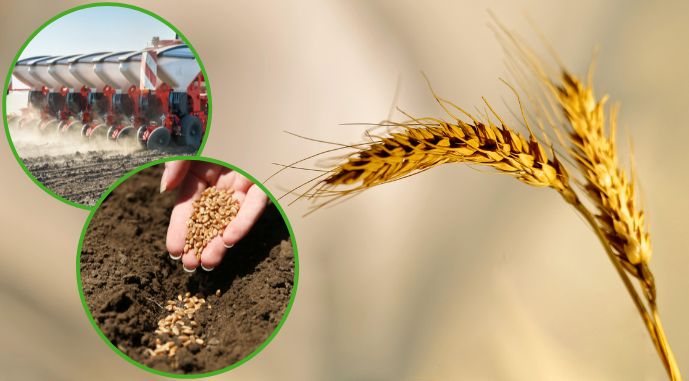 1 Million Fewer Hectares of Winter Crops for the 2027 Harvest: How Farmers Are Redistributing Resources
The area under winter crops for the 2027 harvest will most likely be smaller than during the 2026 sowing campaign. Under an adverse scenario, the reduction could reach up to 1.0 million hectares.
- 03 September 2026, 08:37 1627
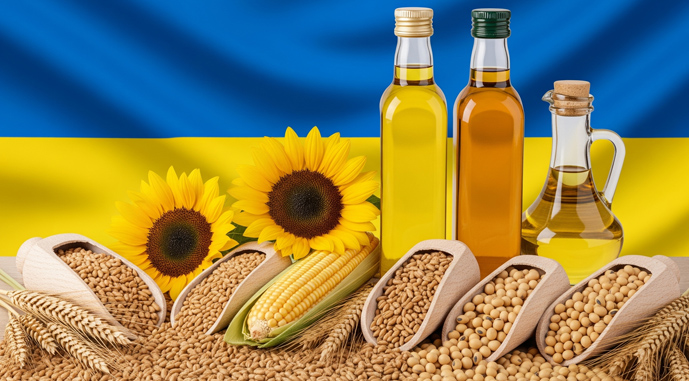 Ukraine’s Agricultural Exports Fall by 40%: Corn and Barley Lead the Decline
Exports of the main groups of agri-food products from Ukraine amounted to around 2.15 million tonnes, which is 41.5% less than in July, when 3.67 million tonnes were exported.
- 24 August 2026, 05:34 2654
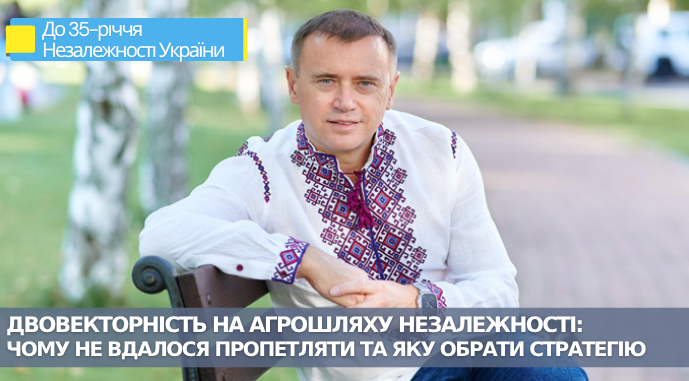 Dual-Track Approach on Ukraine’s Agricultural Path to Independence: Why Trying to Navigate Between Two Sides Failed and Which Strategy to Choose
Today, Ukraine marks the 35th anniversary of its independence and, along with it, 35 years of development of its agri-food sector. Over this period, the industry has transformed from the collective and state farm system into an agricultural business sector, becoming one of the largest players on the global market.
- 20 August 2026, 12:46 1560
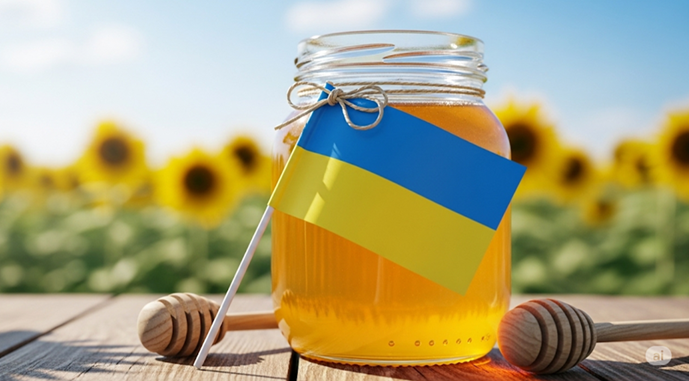 Top 5 Buyers of Ukrainian Honey
Ukraine confidently maintains its status as one of the world’s leading honey exporters despite the challenges of the full-scale war, logistical difficulties and the European Union’s reintroduction of tariff quotas.
- 04 August 2026, 13:20 2824Ukraine’s Agricultural Exports Fell by More Than 20% in July
In July 2026, Ukraine exported 3.67 million tonnes of agricultural products, which is 23.4% less than in the previous month.
- 03 August 2026, 13:48 1623
 Grain Shipments Rerouted to Constanța Add $30–40/t to Logistics Costs
Exporting Ukrainian grain via alternative routes inevitably increases logistics costs. Freight rates at Danube ports have more than doubled over the past month and continue to rise.
- 21 July 2026, 15:31 3979
 Grain Exports Under Pressure: What Should We Expect?
Over the past few weeks, the security situation around Ukrainian seaports has significantly deteriorated. According to the Ukrainian Sea Ports Authority, in the first two weeks of July alone, Russia carried out 23 strikes on Ukrainian ports and 17 attacks on civilian vessels. Over the past week, freight rates have nearly doubled to $40+ per metric ton.
- 16 July 2026, 08:00 1187Juice, Honey and Sugar: Which Ukrainian Products Are Approaching EU Quota Limits
As of early July, Ukraine is actively utilizing tariff quotas for exports of agri-food products to the European Union.
- 15 July 2026, 06:07 3703
 Agricultural Sector on the Path to the EU: Practical Steps for Adaptation in the Food Industry
In June, Ukraine officially opened negotiations with the European Union under the first negotiating cluster, Fundamentals. There are hopes that all negotiating clusters will be opened by the end of the summer, including the one covering the agricultural sector — Cluster 5, which encompasses agricultural policy, food safety, and fisheries.
- 02 July 2026, 07:00 1853Europe's Ambitions Require Ukrainian Resources: Why Ukraine Should Be a Partner, Not Just a Supplier of Raw Materials
The European Union has already set the course for its future development—climate neutrality, energy security, and a competitive economy have become specific strategic goals enshrined in the European Green Deal, REPowerEU, RED III, and other initiatives.
- 24 June 2026, 06:06 4357
 The Agricultural Sector on the Path to the EU: Practical Steps for Adaptation in Livestock Farming
Ukraine’s EU membership requires the adaptation of livestock farming to stricter standards for product safety, animal welfare and environmental regulations. At the same time, the changes and innovations that agricultural producers will have to implement on farms will help raise production standards and expand export opportunities for Ukrainian products.
- 20 June 2026, 08:41 1566
 Swift Opening of the Agricultural Cluster in EU Negotiations Will Benefit Ukraine
Ukraine will benefit from the earliest possible start of negotiations with the European Union in the agricultural sector.
- 27 May 2026, 08:37 1516
 Ukraine sowed more corn than last year
The late spring crops sowing campaign is in its final stage, and the sowing rate is gradually decreasing.