
Ukraine
- 22 August 2026, 08:41 1819
 Port Blockade Could Accelerate the Development of Agricultural Processing in Ukraine
Problems with the maritime export of agricultural products could stimulate the development of domestic processing in Ukraine.
- 21 August 2026, 13:21 1732
 Ukraine Asks Poland to Double the Number of Trains Crossing the Border
Ukraine has officially approached the Polish side with a proposal to double the number of trains crossing border checkpoints.
- 21 August 2026, 10:25 1713
 Ukraine Enters the New Season with Large Pea Stocks: Will Its Position in Asia Strengthen?
The global pulses market is entering the 2026/27 marketing year from very different positions. In some countries, harvests are falling short of expectations, while others are becoming increasingly dependent on imports, and traditional trade flows are changing under the influence of weather, logistics and demand from the largest consumers. Ukraine is entering the new season with a substantial supply of peas: 779.02 thousand tonnes have already been harvested.
- 20 August 2026, 15:23 1747
 Ukraine Exported 900,000 Tonnes of Agricultural Products in August: Grain Faces the Biggest Challenge
From August 1 to 18, Ukraine exported 900,000 tonnes of agricultural products. This represents 31% of the volume that could have been exported if there had been unrestricted access to the ports of Greater Odesa.
- 20 August 2026, 12:46 1611
 Top 5 Buyers of Ukrainian Honey
Ukraine confidently maintains its status as one of the world’s leading honey exporters despite the challenges of the full-scale war, logistical difficulties and the European Union’s reintroduction of tariff quotas.
- 19 August 2026, 09:23 2625
 Moldovan Farmers Threaten Protests Over Transit of Ukrainian Grain
Moldovan farmers are threatening large-scale protests if the authorities do not reconsider the decision to grant Ukraine a discount on rail freight transportation.
- 18 August 2026, 08:00 1352
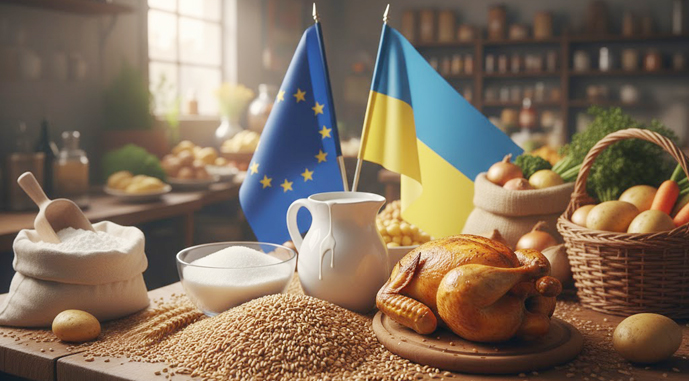 Ukraine and the EU Increased Agricultural Trade: Which Countries Accounted for 70% of Turnover
Trade turnover in agricultural goods between Ukraine and the European Union in January–June 2026 increased by $847 million (+11%) compared with the same period last year and amounted to $8.55 billion.
- 17 August 2026, 12:00 1428
 Agricultural Exports by Road Increased by 9%: Hungary and Slovakia Lead
In the first 13 days of August, Ukraine increased agricultural exports through road border crossing points by 8.9% compared with the same period in July.
- 16 August 2026, 11:15 7304
 Top 10 Buyers of Ukrainian Dairy Products
Despite an increase in dairy product exports in July, Ukraine supplied fewer commodities to foreign markets.
- 16 August 2026, 08:00 3662
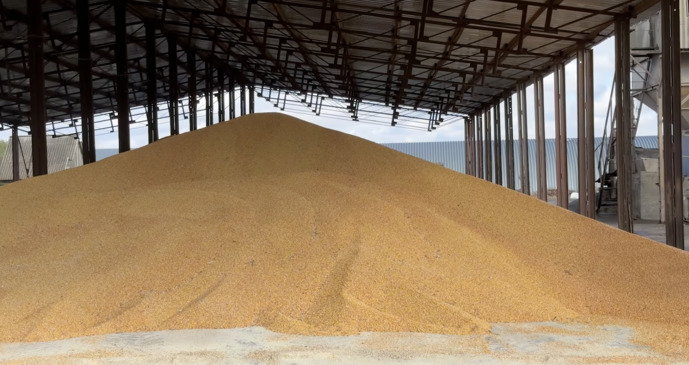 More Than 8 Million Tonnes of Grain in Ukraine Will Be Placed in Temporary Storage Facilities
At the current pace of limited exports without the ports of Greater Odesa, Ukraine will effectively face a shortage of domestic grain storage capacity in November, which could amount to between 8 million and 11 million tonnes.
- 15 August 2026, 08:42 3031
 Shifting Grain Exports to Alternative Routes Means $3 Billion in Additional Costs
Alternative routes for exports of grain, oilseeds and their processed products through the Danube region, by rail and road transport, during periods of their active use, provided a maximum of up to 50% of the volume that was shipped through the ports of Greater Odesa.
- 14 August 2026, 12:00 1411
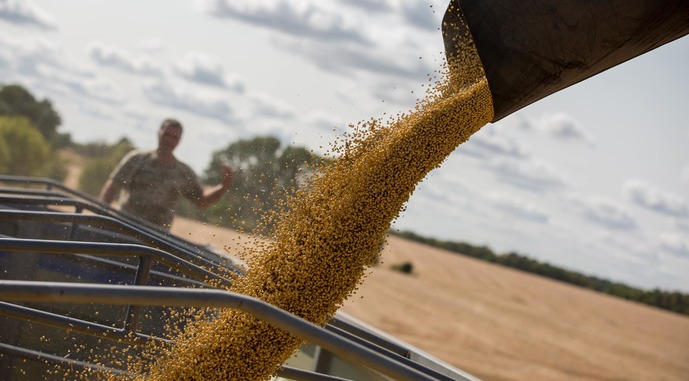 Alternative Routes Will Be Able to Handle a Maximum of 50% of Agricultural Exports
In August, vessels are no longer calling at the ports of Greater Odesa. From August 1 to 12, Ukraine exported 590 thousand tonnes of grain, which is 30% of the required volume. Currently, about 45% of agricultural exports are transported by rail, about 45% through the Danube region, and 10% by road.
- 14 August 2026, 08:45 2157
 Port Blockade Could Cost Ukraine’s Agricultural Sector $20.5 Billion in Unsold Products
The suspension of exports through seaports could result in tens of billions of dollars in lost revenue for Ukraine’s agricultural sector.
- 13 August 2026, 10:28 1393
 Dairy Product Imports to Ukraine Increased by 71% Over the Year
In July, Ukraine imported 8.79 thousand tonnes of dairy products, which was 1% more than in June 2026 and 71% more than in July 2025.
- 13 August 2026, 08:40 2352
 Blockade of Ukrainian Ports Will Affect the Vegetable Oil Market: Possible Scenarios
The effective halt of Ukrainian and Russian sunflower oil supplies through the main Black Sea and Azov Sea ports has created uncertainty in the market and is changing the rules of the game in the sector.
- 12 August 2026, 12:00 1703
 Rail Corridor Through Moldova Could Provide Transit for 4.5 Million Tonnes of Ukrainian Grain
The rail transit corridor through Moldova is capable of transporting 4.5 million tonnes of grain per year.
- 11 August 2026, 15:27 2039
 Ukraine and Poland Seek Ways to Increase Transit of Agricultural ProductsUkraine is working to maximise the use of alternative routes for agricultural exports.
- 11 August 2026, 09:52 2044
 Ministry of Agrarian Policy Downgrades Grain Export Forecast Due to Attacks on Ports
Ukraine’s grain exports in the 2026/27 marketing year will amount to 38–40 million tonnes, which is 12% lower compared with previous estimates.
- 09 August 2026, 08:40 7525
 Prices of Previously Affordable Cereals in Ukraine Rise Amid Signs of Shortages
Production of cereal crops has declined significantly, driving up prices for staple cereals.
- 06 August 2026, 13:48 1743Ukraine’s Pea Exports Increase by 75%
The export potential for peas this season is forecast at 350 thousand tonnes, which is 75% higherthan in the previous season. Experts hope that access to the Chinese market will stimulate exports.