

AgroFoodSummit: Ukraine and Türkiye are entering a new chapter in agricultural trade
Ukraine Enters the New Season with Large Pea Stocks: Will Its Position in Asia Strengthen?
21 August 2026, 10:25 1543
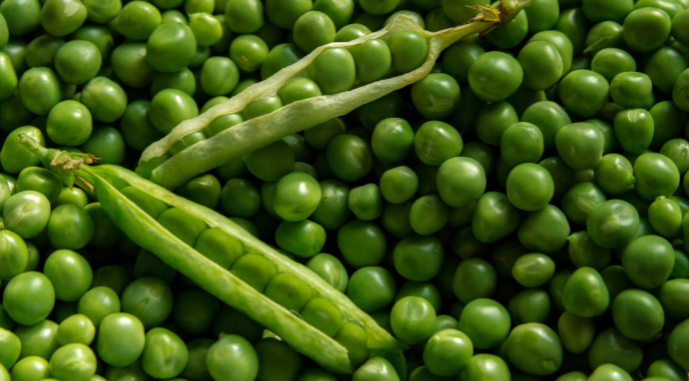
The global pulses market is entering the 2026/27 marketing year from very different positions. In some countries, harvests are falling short of expectations, while others are becoming increasingly dependent on imports, and traditional trade flows are changing under the influence of weather, logistics and demand from the largest consumers. Ukraine is entering the new season with a substantial supply of peas: 779.02 thousand tonnes have already been harvested.
It is noted that India and Pakistan could become some of the key centres of demand.
- In India, total pulse production is expected to reach only 8.5–9 million tonnes, below target levels.
- Pakistan is already structurally dependent on external supplies: the country consumes more than 700 thousand tonnes of chickpeas alone, while domestic production amounts to around 300–350 thousand tonnes. Shortages are also characteristic of other crops: lentil production is estimated at only 10–15 thousand tonnes, while consumption is at least 160 thousand tonnes, and Pakistan produces virtually no yellow peas. This creates new opportunities for Canada, Australia and other exporters, while at the same time intensifying competition for available volumes.
- China adds another element of uncertainty to the market. With domestic pea production of up to 1.5 million tonnes, the country consumes around 3.4 million tonnes, covering more than half of its needs through external markets.
- Canada has regained access to the Chinese market, but the area under peas in the country has declined by 13.7% this year. At the same time, global pea production in the 2026/27 marketing year could fall by around 13%. How will the competition for Chinese demand play out?
- Kazakhstan could also influence the redistribution of trade flows: the area under lentils is declining — including by 15% at Atameken Agro, one of the largest producers — while the area under peas could remain at around 200 thousand hectares. Kazakhstan has the potential to increase pulse exports, but logistical constraints remain a significant barrier.
- The situation in Türkiye is also mixed: instead of the previously forecast 350–400 thousand tonnes, red lentil production is now estimated at around 250 thousand tonnes.
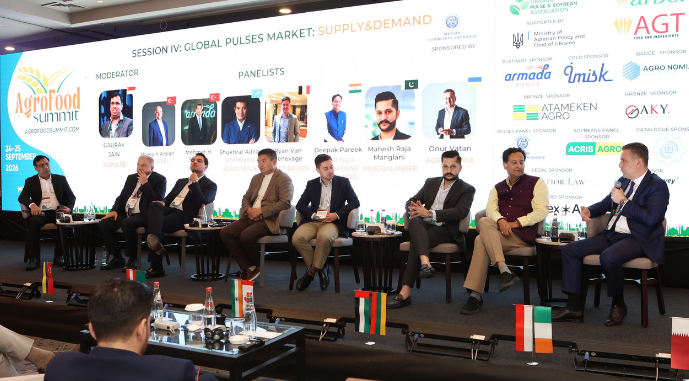
«Behind each of these figures is a different situation in the local market, with its own expectations regarding harvests, demand, imports and prices. To examine the pulses market in the 2026/27 marketing year from different perspectives, AgroFoodSummit 2026 will bring together speakers from Ukraine, Türkiye, Kazakhstan, Singapore, Pakistan, Belgium and India on one panel. Producers and exporters, major consuming countries, international traders and analysts will present their own views on the balances of the new season. Who will have sufficient supply, where will shortages emerge, and how will this affect prices? These questions will be at the centre of an international discussion on September 24–25 during the ‘Global Pulses Market: Supply and Demand’ panel at AgroFoodSummit 2026,» said Antonina Skliarenko, President of the Ukrainian Pulses and Soybean Association.
Registration for AgroFoodSummit 2026

 02 October 2026, 07:20694
Shifting Trade Flows: What Opportunities Are Available to Ukrainian Producers?
 18 September 2026, 07:201263
CraftUP Ukraine: Finalists Presented Their Business Projects and Received Grants
 03 August 2026, 07:201692
UCAB Agrotechnologies 2026. West: All Winning Solutions in One Field
- 02 October 2026, 07:20 692Shifting Trade Flows: What Opportunities Are Available to Ukrainian Producers?
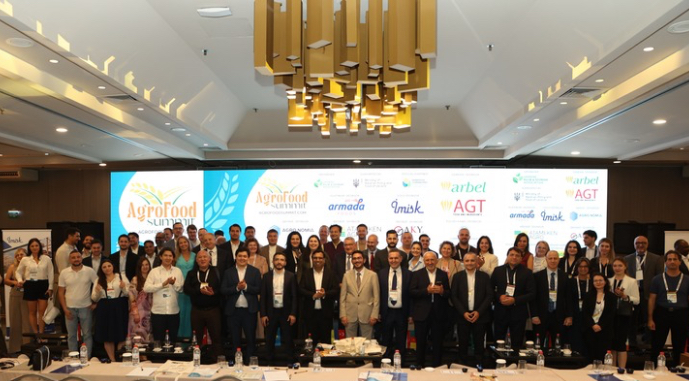
At the end of September, the Ukrainian Pulses and Soybean Association (UPSA) brought together representatives of agribusiness and international trade from 30 countries at AgroFoodSummit 2026 in Mersin, Türkiye.
- 28 September 2026, 13:42 1241
 Farmers in Southern Ukraine May Use Areas Not Sown with Winter Crops for Pulses
In southern Ukraine, farmers are reducing the area sown with winter crops by around 30–40%. For now, farmers are taking a wait-and-see approach to better understand the market situation, but in spring they will have to decide which crops to grow.
- 11 September 2026, 14:18 2446
 AgroFoodSummit: What Will Shape Global Agricultural Markets in the 2026/27 Season
Global agricultural markets are entering the 2026/27 season amid shifting trade flows, intensifying competition for key buyers, and the growing influence of geopolitics and logistics on trade. How these factors will reshape markets in the new season and where opportunities will emerge for producers, traders and processors will be the central theme of AgroFoodSummit 2026, which will take place on September 24–25 in Mersin, Türkiye.