
Ukraine Asks Poland to Double the Number of Trains Crossing the Border

Ukraine has officially approached the Polish side with a proposal to double the number of trains crossing border checkpoints.
As Minister of Agrarian Policy and Food of Ukraine Taras Vysotskyi noted during an online discussion, the current logistics crisis is one of the most severe since the beginning of the full-scale invasion, according to the press service of the Ministry of Agrarian Policy and Food.
Taras Vysotskyi stressed that the problem can only be resolved through direct dialogue with international partners and businesses. Therefore, the Ministry of Agrarian Policy and Food supports initiatives, including those from the private sector, aimed at finding joint solutions to preserve and expand Ukraine’s export opportunities.
«In August, exports via alternative routes will amount to around 1.5 million tonnes, while the average requirement is 5 million tonnes per month — just one-third of the required volume. Even under the best-case scenario, alternative routes can cover no more than 50% of our needs. At the same time, transit through Poland can be doubled — from the current 300,000 tonnes to 600,000 tonnes per month, primarily through rail transport and by switching border control services to round-the-clock operations,» Taras Vysotskyi noted.
According to him, the current logistics crisis differs significantly from the situation in 2022. Ukrainian farmers no longer have the financial and logistical resilience that helped them get through the first year of the full-scale war. At the same time, global prices are not showing a sharp increase this time. The harvest season in Europe is creating additional pressure: capacities in neighbouring countries are currently largely occupied by their own grain.
During the event, representatives of Ukrainian and Polish logistics businesses, JSC Ukrzaliznytsia, Polish railway company PKP and agricultural holdings discussed practical solutions to eliminate bottlenecks at the border. In particular, they discussed expanding container transportation, using specialised railcars and attracting investment in the development of border infrastructure.


 02 October 2026, 07:20956
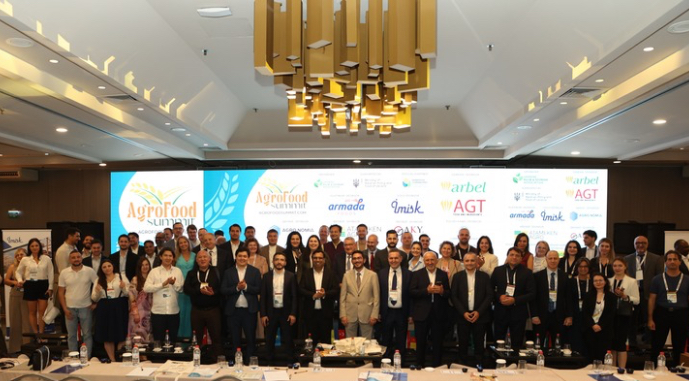
Shifting Trade Flows: What Opportunities Are Available to Ukrainian Producers?
 18 September 2026, 07:201334
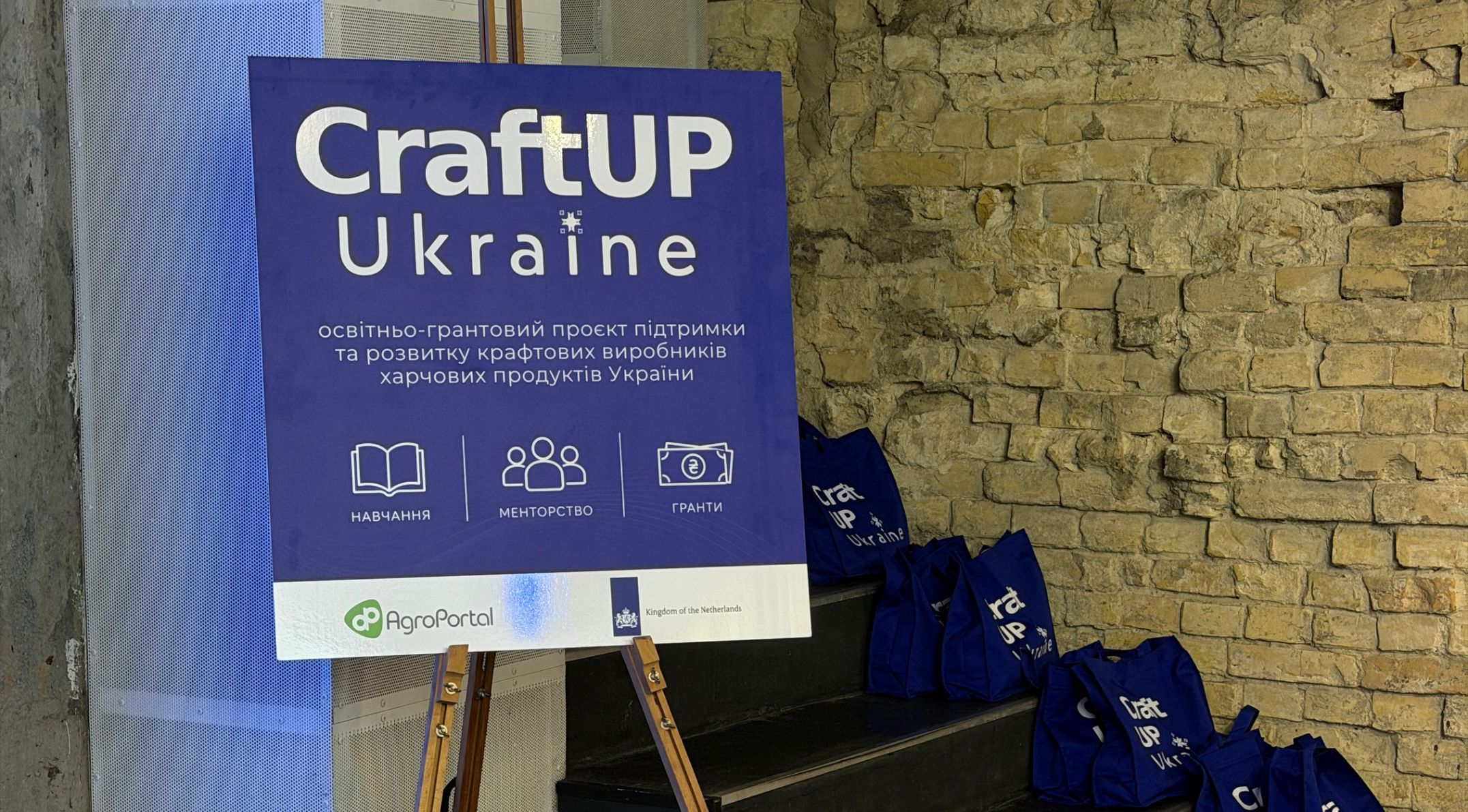
CraftUP Ukraine: Finalists Presented Their Business Projects and Received Grants
 03 August 2026, 07:201710
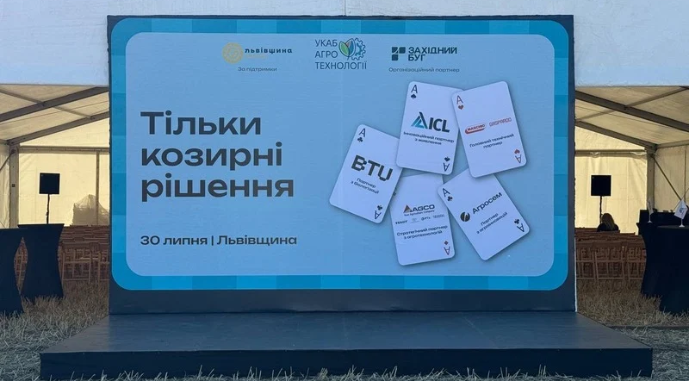
UCAB Agrotechnologies 2026. West: All Winning Solutions in One Field
- 02 October 2026, 12:44 1095
 Ukraine Exported 2.4 Million Tonnes of Agricultural Products in September
By the end of September, Ukraine had exported 2.4 million tonnes of agricultural products, representing 46% of the required volume. Of this, grain exports amounted to 1.4 million tonnes, or 38% of the potentially required export volume.