
cereals

 07 October 2026, 08:401164
Ukraine Shipped Twice as Much Wheat to MENA Countries as to the EU
 01 October 2026, 15:244583
Agroprodservice Shifts to Growing Crops Exclusively for Its Own Needs
 24 September 2026, 12:452289
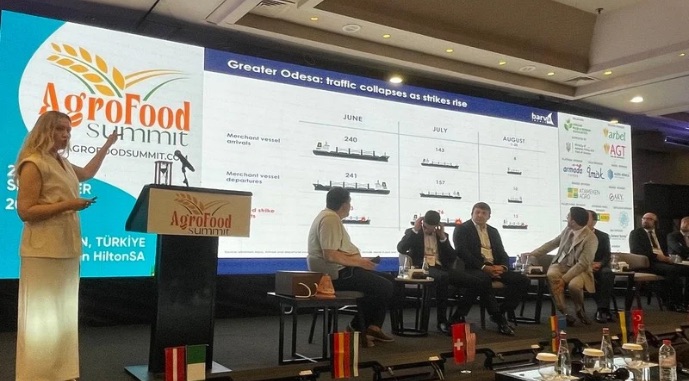
Global Markets Could Lose 38 Million Tonnes of Grain from the Black Sea Region if Ports Do Not Resume Normal Operations
- 16 August 2026, 08:00 3610
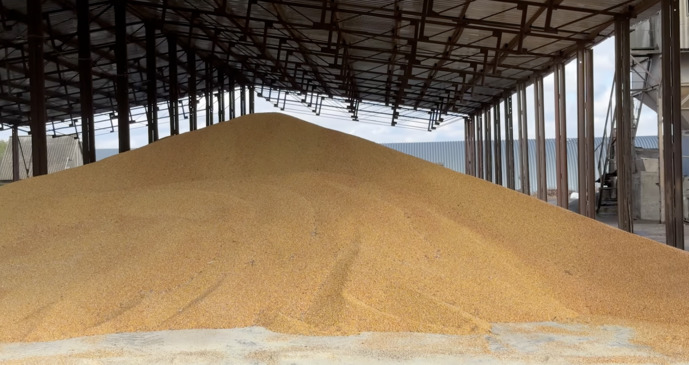 More Than 8 Million Tonnes of Grain in Ukraine Will Be Placed in Temporary Storage Facilities
At the current pace of limited exports without the ports of Greater Odesa, Ukraine will effectively face a shortage of domestic grain storage capacity in November, which could amount to between 8 million and 11 million tonnes.
- 04 August 2026, 13:20 2813
 Ukraine’s Agricultural Exports Fell by More Than 20% in July
In July 2026, Ukraine exported 3.67 million tonnes of agricultural products, which is 23.4% less than in the previous month.
- 04 August 2026, 11:08 2780
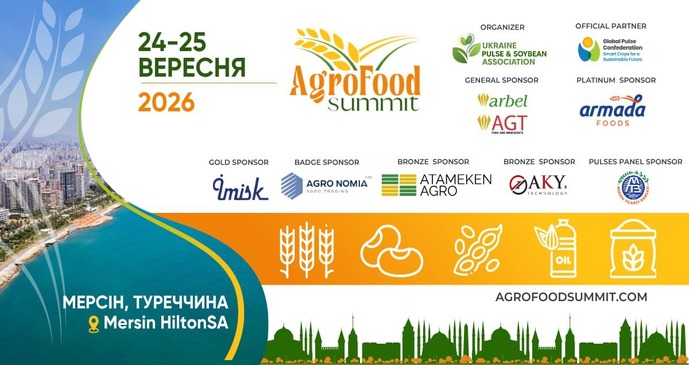 AgroFoodSummit: Ukraine and Türkiye are entering a new chapter in agricultural trade
Following the ratification of the Free Trade Agreement between the two countries, the first major international business event dedicated to exploring new opportunities will be AgroFoodSummit 2026, taking place on 24–25 September in Mersin — a strategic Mediterranean port and one of the region's leading logistics hubs for global agricultural trade.
- 01 July 2026, 14:55 1578
 Grain stocks in Ukraine exceed last year’s level by 4 million tonnes
Stocks of cereals and legumes in Ukraine as of June 1, 2026, amounted to 9.5 million tonnes, which is nearly 4 million tonnes more than on the same date last year.
- 04 June 2026, 07:01 3906
 Grain Market: Eight Factors That Will Influence Grain Prices Until 2030
The wheat and corn market is entering its most turbulent period in the past thirty years. Previous crises — the global food crisis of 2007–2008, supply disruptions in 2010 and the U.S. drought in 2012 — were largely driven by a single factor: a harvest shock, a spike in oil prices or a short-term financial panic. Today, the global grain market is being pressured simultaneously by at least eight structural factors.