
Turkey
 07 October 2026, 08:401139
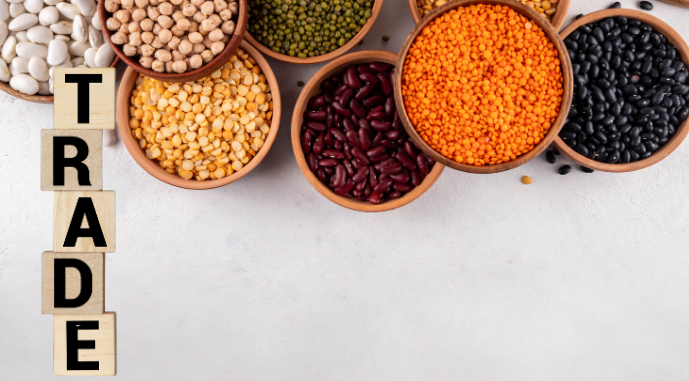
Ukraine Shipped Twice as Much Wheat to MENA Countries as to the EU
 02 October 2026, 06:021585
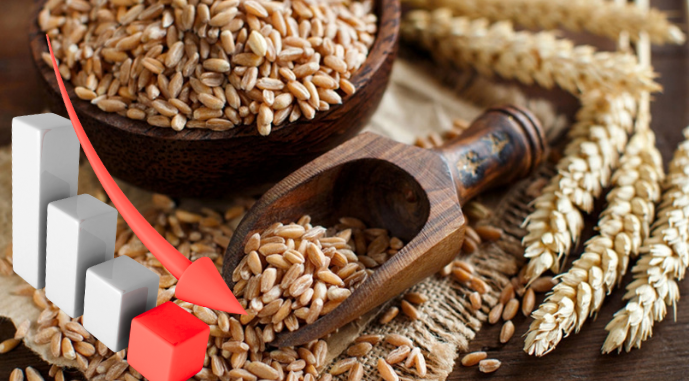
Third Season in Surplus: Global Durum Wheat Trade Is Slowing
 28 September 2026, 13:421401
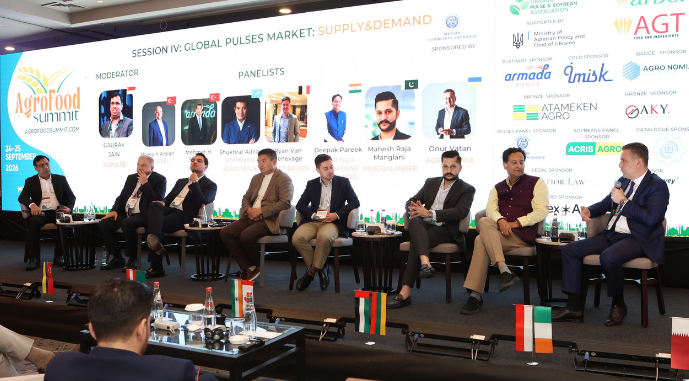
Farmers in Southern Ukraine May Use Areas Not Sown with Winter Crops for Pulses
- 11 September 2026, 14:18 2542
 AgroFoodSummit: What Will Shape Global Agricultural Markets in the 2026/27 Season
Global agricultural markets are entering the 2026/27 season amid shifting trade flows, intensifying competition for key buyers, and the growing influence of geopolitics and logistics on trade. How these factors will reshape markets in the new season and where opportunities will emerge for producers, traders and processors will be the central theme of AgroFoodSummit 2026, which will take place on September 24–25 in Mersin, Türkiye.
- 31 August 2026, 14:43 1481
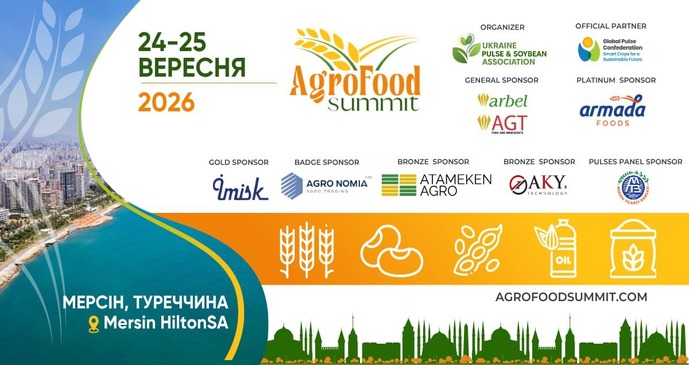 AgroFoodSummit: Turning Challenges into New Contracts and Opportunities
Over the past few weeks, the situation on the global grain market has deteriorated sharply. Due to attacks on port and shipping infrastructure, buyers have begun looking for alternatives to Black Sea wheat. Cargoes are being delayed and cancelled, while wheat futures are rising.
- 21 August 2026, 10:25 1650
 Ukraine Enters the New Season with Large Pea Stocks: Will Its Position in Asia Strengthen?
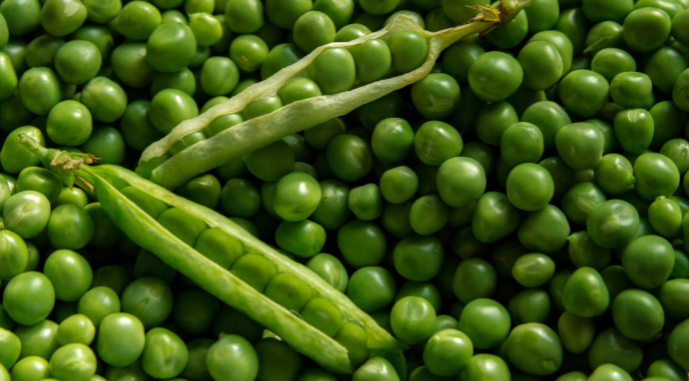
The global pulses market is entering the 2026/27 marketing year from very different positions. In some countries, harvests are falling short of expectations, while others are becoming increasingly dependent on imports, and traditional trade flows are changing under the influence of weather, logistics and demand from the largest consumers. Ukraine is entering the new season with a substantial supply of peas: 779.02 thousand tonnes have already been harvested.
- 04 August 2026, 11:08 2768AgroFoodSummit: Ukraine and Türkiye are entering a new chapter in agricultural trade
Following the ratification of the Free Trade Agreement between the two countries, the first major international business event dedicated to exploring new opportunities will be AgroFoodSummit 2026, taking place on 24–25 September in Mersin — a strategic Mediterranean port and one of the region's leading logistics hubs for global agricultural trade.
- 15 July 2026, 14:22 2286
 Agreement with Türkiye: Tariffs on Some Ukrainian Agricultural Products Reach 225%
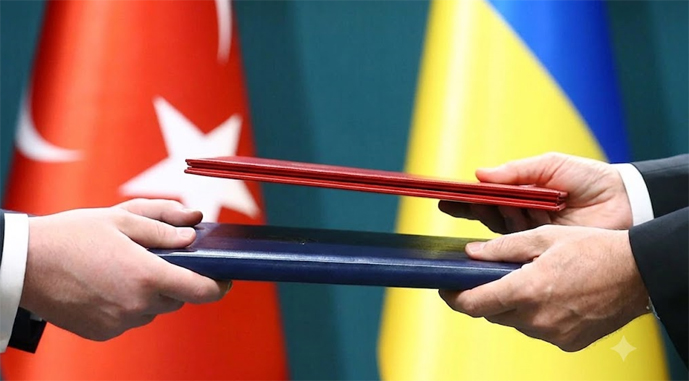
The free trade agreement with Türkiye will cost Ukraine a 1.5% decline in GDP in the medium term.