
EU
 07 October 2026, 14:25991
Business Calls for Preventing Transit of russian Grain via the Baltic
 07 October 2026, 08:401162
Ukraine Shipped Twice as Much Wheat to MENA Countries as to the EU
 05 October 2026, 09:49979
Ukraine Proposes That EU Grant an Additional Quota for Ukrainian Bioethanol Exports
- 30 September 2026, 11:10 1189
 Ukraine Increases Egg Exports by 18%
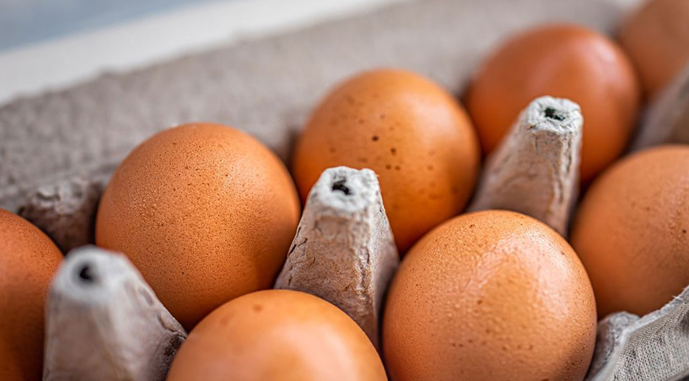
In January–August 2026, Ukraine increased the physical volume of egg exports by 18% to 1.64 billion units. Foreign exchange earnings rose by 37% to $164 million.
- 26 September 2026, 10:25 2377

- 28 August 2026, 10:25 1697
 Ukrainian Berry Producers Increase Exports to the EU and US
Ukrainian berry farms are redirecting part of their production to foreign markets due to declining domestic consumption. The European Union remains the main destination, while producers have also been expanding their presence in the US in recent years.
- 17 August 2026, 08:00 1629
 Ukraine Expects to Receive the EU’s Response on Agricultural Sector Support by the End of August
Ukraine has officially appealed to the EU with a request for €220 million in assistance for a specific purpose — to compensate interest on loans for agricultural producers. They need these funds to carry out the autumn sowing campaign and continue their operations amid export difficulties caused by the shutdown of Black Sea ports.
- 08 August 2026, 08:00 1828
 Ukraine Exported 34% Less Rapeseed to the EU Than Last Year
In the 2025/26 season, the European Union reduced its rapeseed imports from third countries to 5.4 million tonnes, compared to 7.5 million tonnes a year earlier. One of the reasons was the increase in the EU’s domestic harvest.
- 07 August 2026, 12:00 1958Ministry of Agrarian Policy Requests €220 Million in Non-Repayable EU Support for Farmers
The Ministry of Agrarian Policy and Food of Ukraine has appealed to the European Commission to consider allocating €220 million in non-repayable support to compensate interest payments on loans for Ukrainian small and medium-sized agricultural producers. Such a contribution would enable a credit portfolio of up to €4 billion to finance farmers’ working capital, with the final interest rate for borrowers not exceeding 10% per annum.
- 07 August 2026, 07:00 1373
 Large-Scale Wildfires in Europe Require a New Approach: What Solutions Could Reduce Risks for Ukraine
The risk of large-scale wildfires can only be effectively reduced by shifting the focus from response to prevention, prioritising ecosystem resilience and integrated landscape management.
- 03 August 2026, 10:21 1351Agricultural Products Account for 60% of Ukraine's Total Exports in the First Half of the Year
Ukraine's agri-food exports totaled $12.592 billion in January–June 2026, up 11% compared with the same period last year ($11.305 billion).
- 16 July 2026, 08:00 1180
 Juice, Honey and Sugar: Which Ukrainian Products Are Approaching EU Quota Limits
As of early July, Ukraine is actively utilizing tariff quotas for exports of agri-food products to the European Union.
- 15 July 2026, 06:07 3670
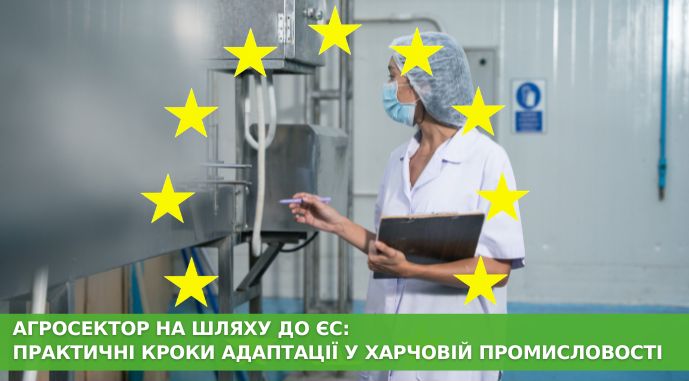 Agricultural Sector on the Path to the EU: Practical Steps for Adaptation in the Food Industry
In June, Ukraine officially opened negotiations with the European Union under the first negotiating cluster, Fundamentals. There are hopes that all negotiating clusters will be opened by the end of the summer, including the one covering the agricultural sector — Cluster 5, which encompasses agricultural policy, food safety, and fisheries.
- 07 July 2026, 14:50 1508
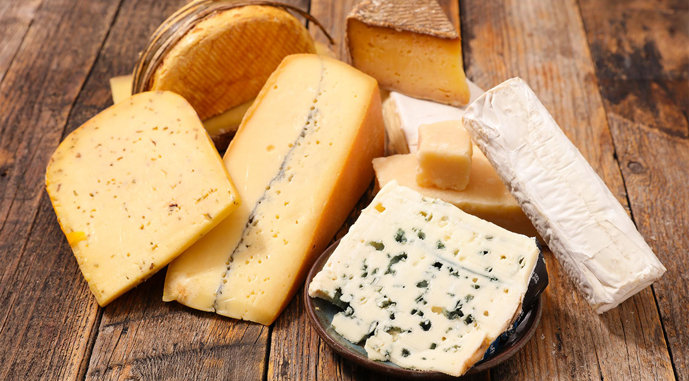 Imports of European Cheese Increase Pressure on Ukrainian Producers
Ukrainian cheese producers are facing growing pressure due to increasing imports of European dairy products. Against the backdrop of seasonal demand slowdown, lower-priced cheeses from the EU are increasingly displacing domestic products from the market.
- 12 June 2026, 13:50 1790
 Ukraine Has a Chance to Return to Free Sugar Trade with the EU
The EU–Ukraine Association Agreement provides for a review of trade quotas every five years. However, due to the full-scale war and the introduction of the Autonomous Trade Measures (ATM) regime, the timeline has shifted, and the next quota review is expected on January 1, 2028. At the same time, if Ukraine accelerates its integration into the European Union, there may be an opportunity to return to a free sugar trade regime.
- 08 June 2026, 16:08 2073
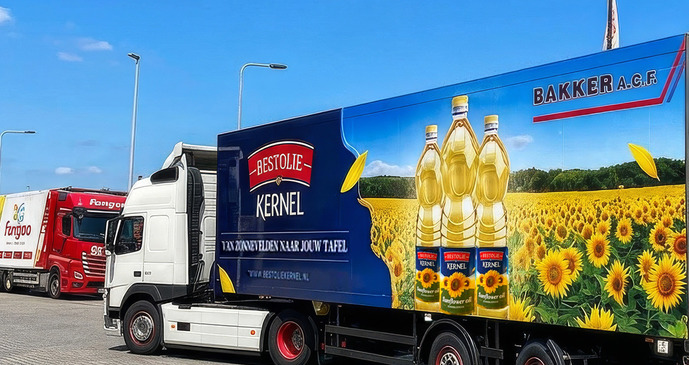 Kernel has Sold 5.5 Million Liters of Sunflower Oil under Its Own Brand in the Netherlands
Kernel is developing its own sunflower oil brand in Europe, launched in 2024 in partnership with Dutch food distribution company Fangoo&Zon Impex. To date, 5.5 million liters of products have been sold in the Netherlands under the Bestolie&Kernel trademark.
- 05 June 2026, 09:19 1392
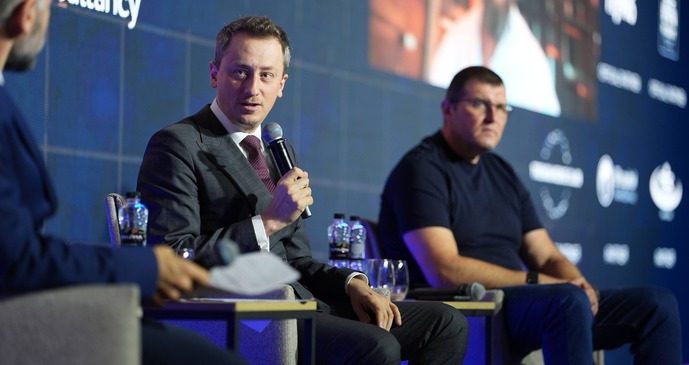 Sobolev: The priority of the agricultural sector is not production volumes, but production of value-added goods
Ukraine should focus not on increasing the volume of agricultural products exported to the EU, but on producing value-added goods that can be exported beyond the EU and help feed global markets.
- 04 June 2026, 07:01 3902
 Grain Market: Eight Factors That Will Influence Grain Prices Until 2030
The wheat and corn market is entering its most turbulent period in the past thirty years. Previous crises — the global food crisis of 2007–2008, supply disruptions in 2010 and the U.S. drought in 2012 — were largely driven by a single factor: a harvest shock, a spike in oil prices or a short-term financial panic. Today, the global grain market is being pressured simultaneously by at least eight structural factors.
- 24 May 2026, 08:00 1460
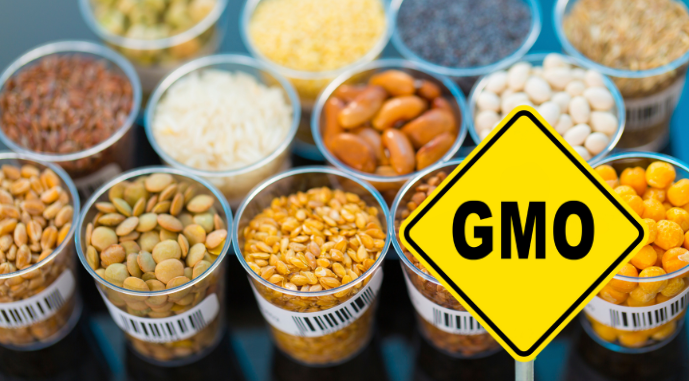 Official Sales of GM Seeds in Ukraine May Be Allowed in 2030
The current draft law on new genomic techniques in the EU means that some GMOs will be defined as non-GMOs and will be allowed for use only with the appropriate seed labeling. This is the future that awaits Ukraine.