
Ukraine Shipped Twice as Much Wheat to MENA Countries as to the EU
Business Calls for Preventing Transit of russian Grain via the Baltic
07 October 2026, 14:25 185

The European Business Association has called on the Ukrainian government to intensify diplomatic efforts with the Baltic countries and EU institutions to prevent an increase in exports of russian agricultural products through Baltic Sea ports.
This was reported by the European Business Association (EBA).
According to open-source data, due to difficulties in the operation of Black Sea and Sea of Azov ports, russian exporters may redirect supplies of grains, oilseeds and their processed products to ports in the Baltic region.
The EBA emphasises the risks of relabelling, mixing or concealing the origin of products, including those that may originate from the temporarily occupied territories of Ukraine.
The association notes that Ukraine and russia compete on global grain and oilseed markets, making it important to prevent the creation of logistics routes that would allow restrictions to be circumvented and increase competitive pressure on Ukrainian producers and exporters.
The EBA called on the government to immediately intensify consultations with countries in the Baltic region and EU institutions and to support initiatives aimed at strengthening controls over the transit of russian agricultural products.

 02 October 2026, 07:20951
Shifting Trade Flows: What Opportunities Are Available to Ukrainian Producers?
 18 September 2026, 07:201332
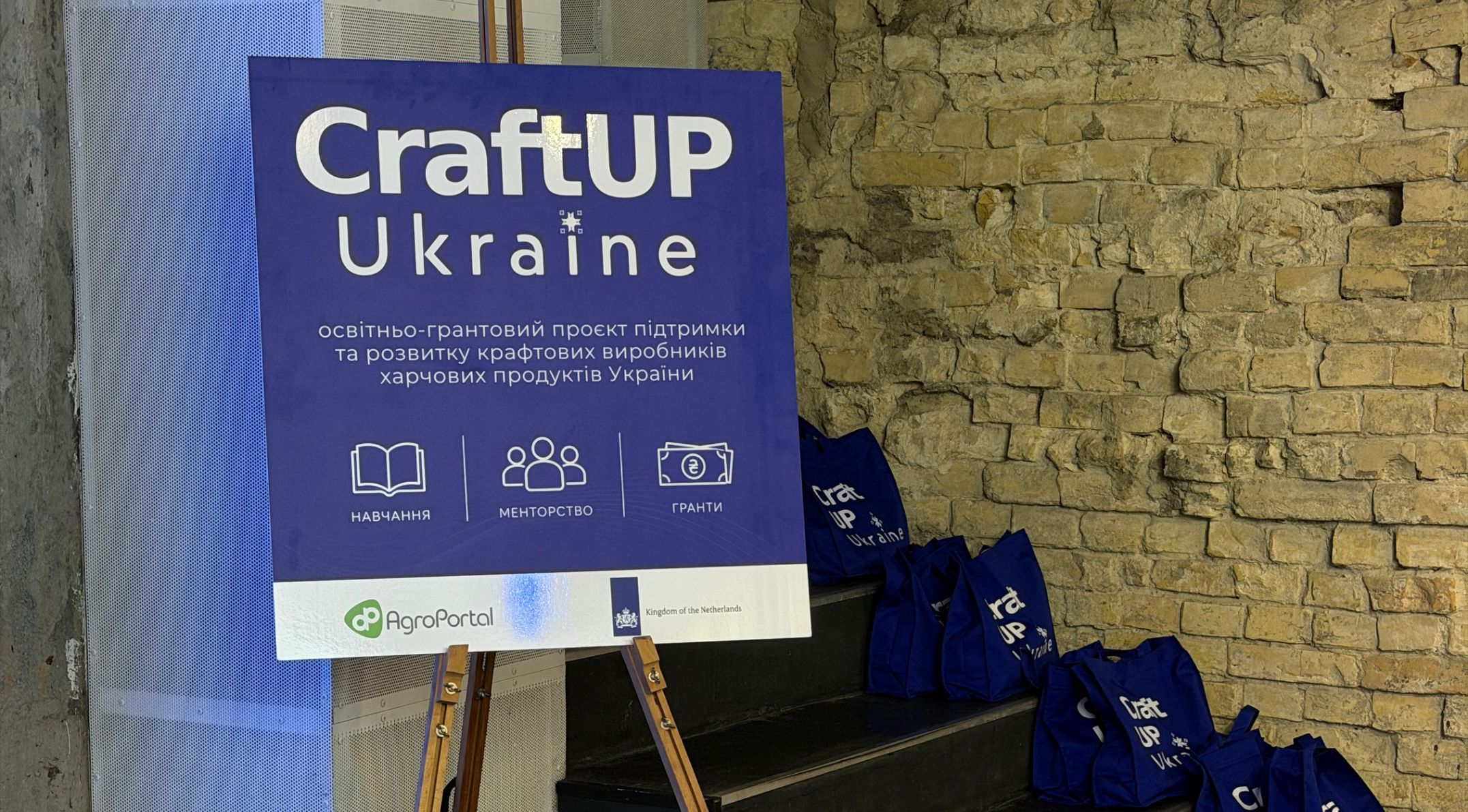
CraftUP Ukraine: Finalists Presented Their Business Projects and Received Grants
 03 August 2026, 07:201710
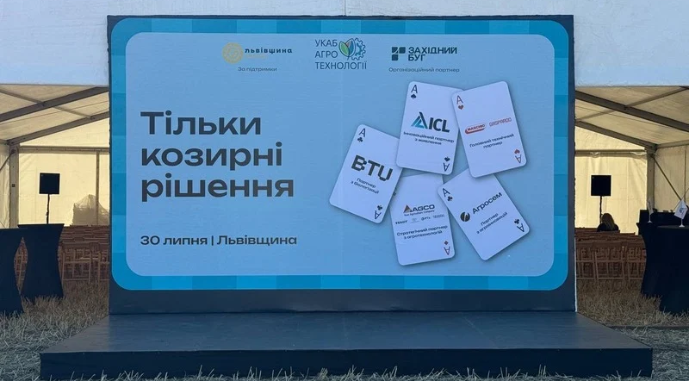
UCAB Agrotechnologies 2026. West: All Winning Solutions in One Field
- 07 October 2026, 08:40 429
 Ukraine Shipped Twice as Much Wheat to MENA Countries as to the EU
Ukraine exported 3 million tonnes of agricultural products worth $1.6 billion in September 2026. Compared with August, volumes increased by 41% in physical terms and by 22% in value.
- 05 October 2026, 09:49 707
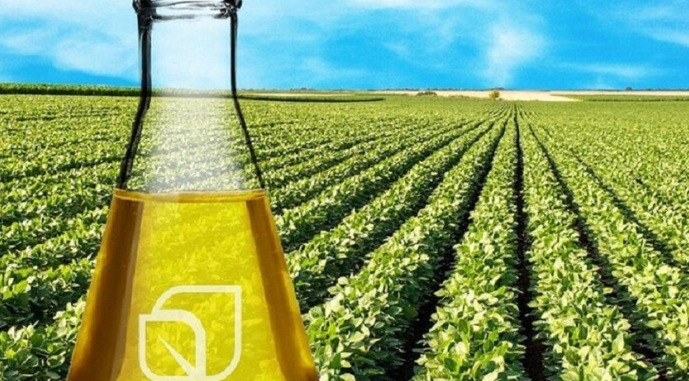 Ukraine Proposes That EU Grant an Additional Quota for Ukrainian Bioethanol Exports
Ukraine and the European Commission have discussed changing the mechanism for administering tariff quotas for dairy products and flour, as well as expanding opportunities for Ukrainian bioethanol exports to the EU.
- 02 October 2026, 07:20 952Shifting Trade Flows: What Opportunities Are Available to Ukrainian Producers?
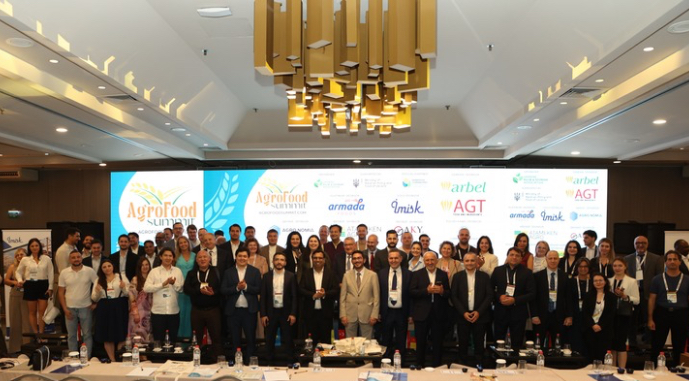
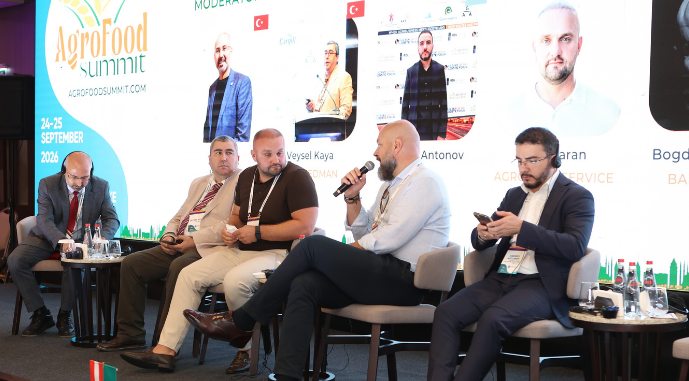
At the end of September, the Ukrainian Pulses and Soybean Association (UPSA) brought together representatives of agribusiness and international trade from 30 countries at AgroFoodSummit 2026 in Mersin, Türkiye.
- 01 October 2026, 15:24 4345
 Agroprodservice Shifts to Growing Crops Exclusively for Its Own Needs
Given the logistics difficulties, the diversified agro-industrial company Agroprodservice, which operates a fully closed production cycle, has revised its crop rotation and shifted primarily to crops that can be used for its own needs.