

All the main news of the agricultural market on
📲 Telegram channel
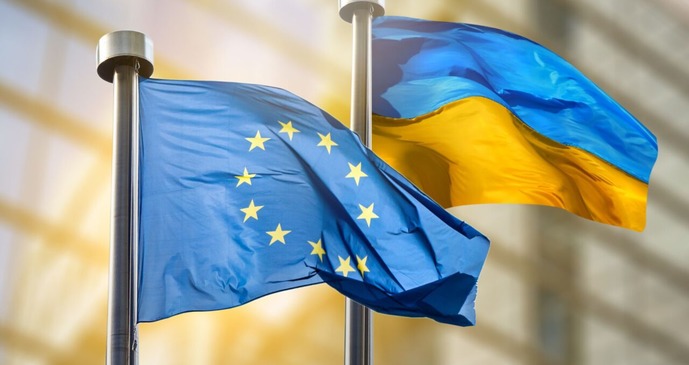
Ukraine will be integrated into the European Union’s Common Agricultural Policy under a special model designed to protect European farmers while preserving opportunities for Ukrainian agricultural exports to traditional markets in Africa, Asia and the Middle East.
This was stated by European Commissioner for Enlargement Marta Kos, according to Interfax-Ukraine.
According to her, the specific terms for integrating Ukraine’s agricultural sector will be determined by EU Member States together with Ukraine during the accession negotiations under Cluster 5.
The European Commission previously proposed introducing special conditions for Ukraine’s EU membership in the agricultural sector, including with regard to grain trade. This would involve maintaining access to traditional export markets, primarily in North Africa.
Marta Kos emphasised that this approach should simultaneously protect European producers and support the development of Ukraine’s agricultural sector through adaptation to EU rules and continued exports to third-country markets.
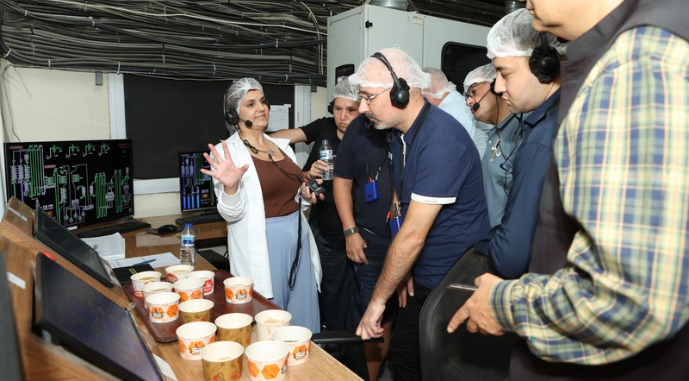
Chickpea and Lentil Paste: How One of the World's Largest Legume Processing Plants Operates
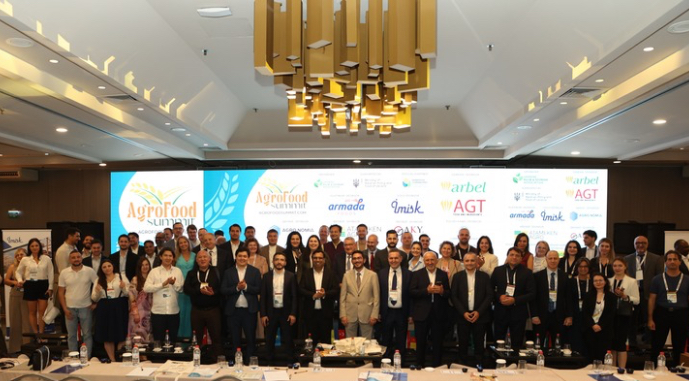
Shifting Trade Flows: What Opportunities Are Available to Ukrainian Producers?
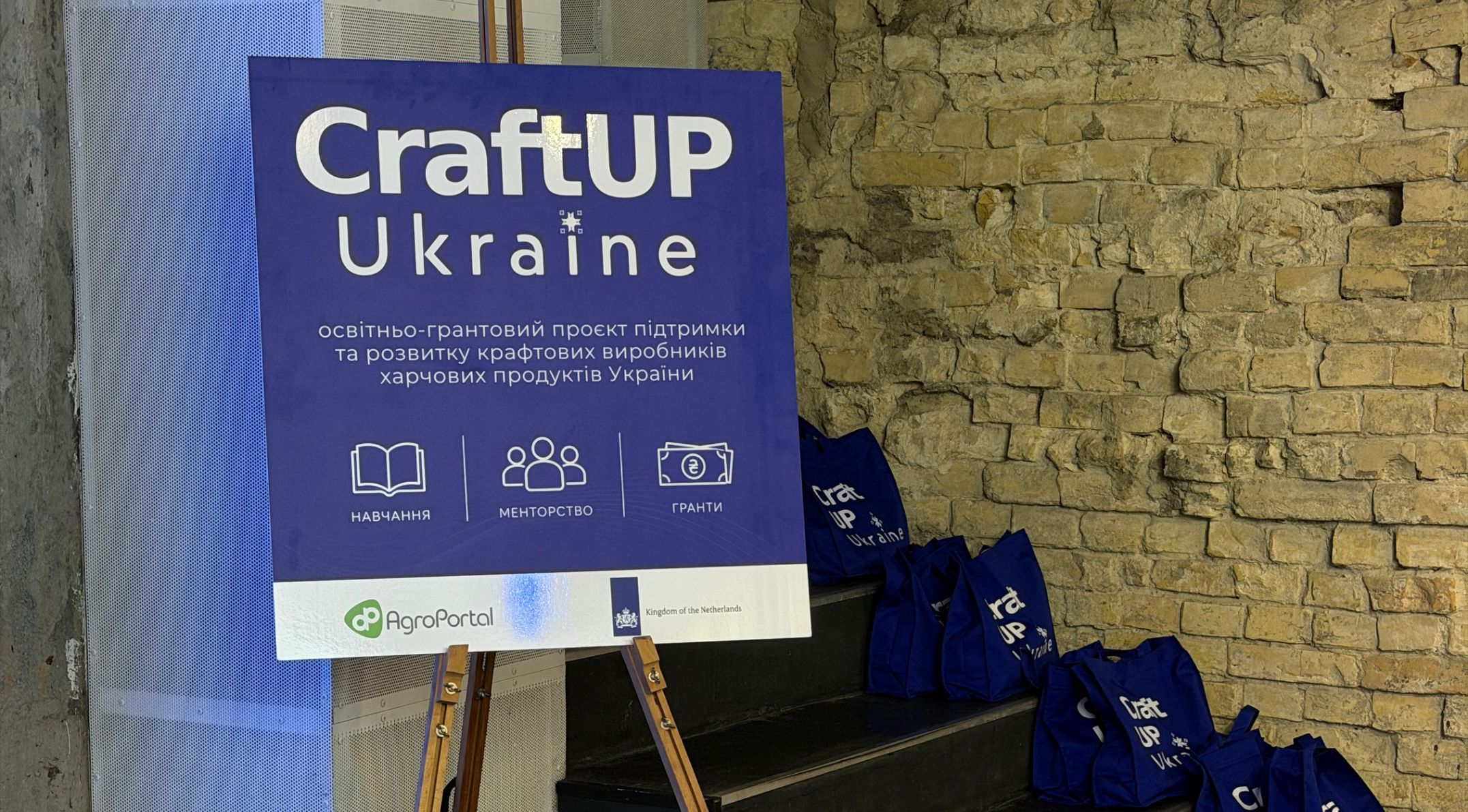
CraftUP Ukraine: Finalists Presented Their Business Projects and Received Grants
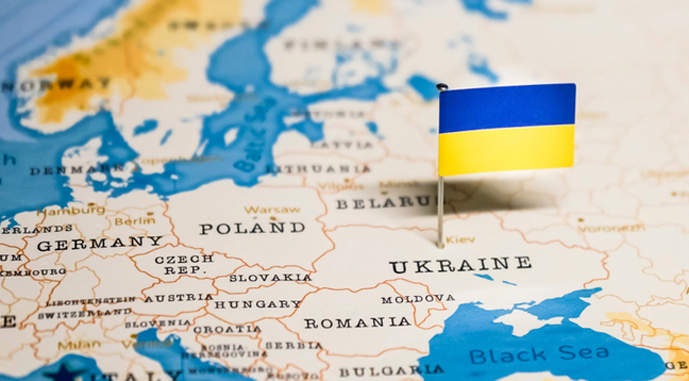
Ukraine could lose its competitive position in African and Asian markets if Ukrainian products become more expensive due to the introduction of stricter European Union requirements, while producers do not receive a corresponding price premium in foreign markets.

The European Business Association has called on the Ukrainian government to intensify diplomatic efforts with the Baltic countries and EU institutions to prevent an increase in exports of russian agricultural products through Baltic Sea ports.

Ukraine exported 3 million tonnes of agricultural products worth $1.6 billion in September 2026. Compared with August, volumes increased by 41% in physical terms and by 22% in value.
Ukraine and the European Commission have discussed changing the mechanism for administering tariff quotas for dairy products and flour, as well as expanding opportunities for Ukrainian bioethanol exports to the EU.