
Ukraine Exported 34% Less Rapeseed to the EU Than Last Year

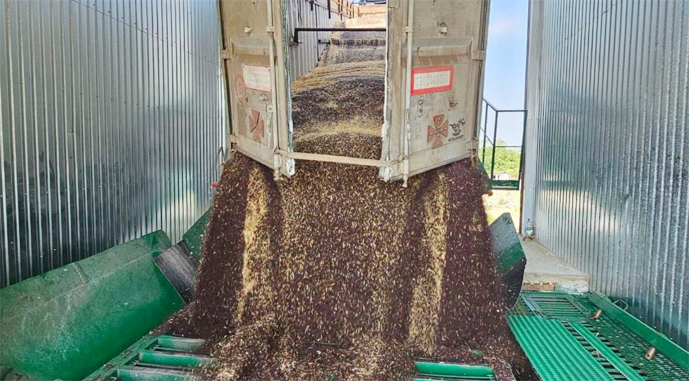
In the 2025/26 season, the European Union reduced its rapeseed imports from third countries to 5.4 million tonnes, compared to 7.5 million tonnes a year earlier. One of the reasons was the increase in the EU’s domestic harvest.
This is according to data from the German Union for the Promotion of Oil and Protein Plants (UFOP), OFI reports.
Australia remained the largest supplier of rapeseed to the EU, although its shipments declined by 41%, from 3.5 million tonnes to 2.14 million tonnes.
Ukraine ranked second among exporters, supplying 1.6 million tonnes of rapeseed to the European Union, which was 34% less than in the previous season.
Imports from Canada also declined, from 1.1 million tonnes to 870 thousand tonnes. At the same time, due to the use of genetically modified varieties, Canadian rapeseed in the EU is mainly used for biofuel production.
UFOP notes that the decline in imports is primarily linked to a better rapeseed harvest in EU countries. Despite challenging weather conditions, the organisation also expects a good harvest in the 2026 season.

 18 September 2026, 07:20801
CraftUP Ukraine: Finalists Presented Their Business Projects and Received Grants
 03 August 2026, 07:201561
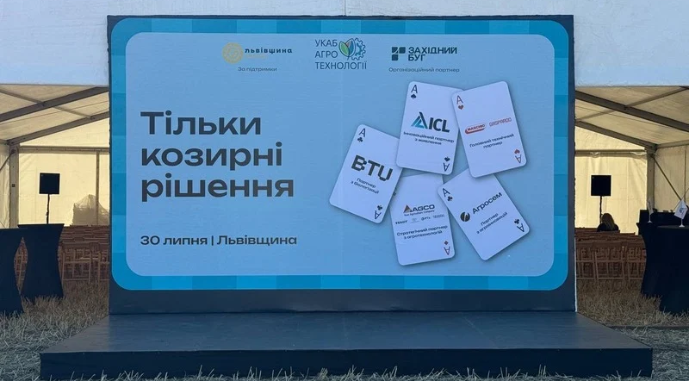
UCAB Agrotechnologies 2026. West: All Winning Solutions in One Field
 03 July 2026, 07:202264
Sustainable Farming: Implementing Modern Sustainable Technologies Without Unnecessary Mistakes and Losses