
global markets

 04 October 2026, 08:401960
El Niño threatens the global sugar market with shortages and rising prices
 02 October 2026, 07:201412
Shifting Trade Flows: What Opportunities Are Available to Ukrainian Producers?
 24 September 2026, 12:452279
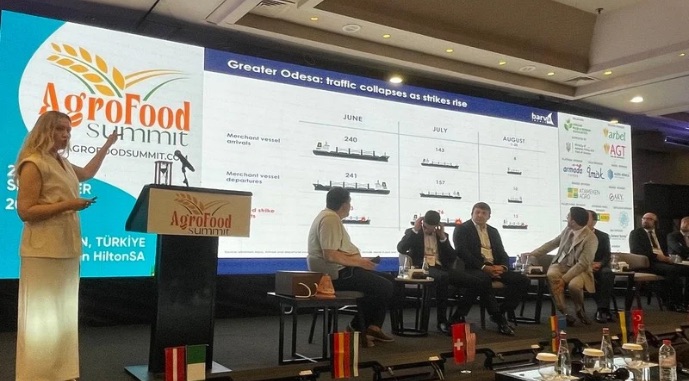
Global Markets Could Lose 38 Million Tonnes of Grain from the Black Sea Region if Ports Do Not Resume Normal Operations
- 11 September 2026, 14:18 2554
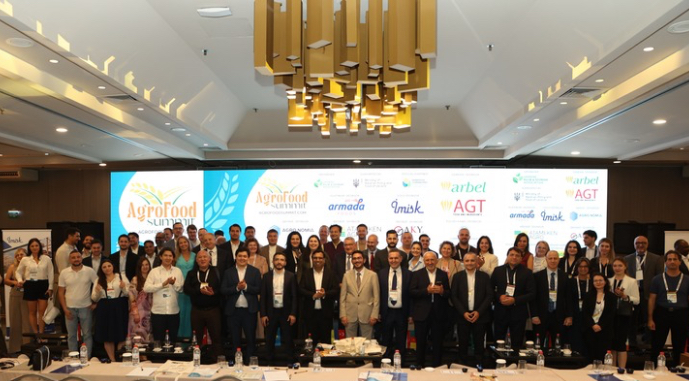
 AgroFoodSummit: What Will Shape Global Agricultural Markets in the 2026/27 Season
Global agricultural markets are entering the 2026/27 season amid shifting trade flows, intensifying competition for key buyers, and the growing influence of geopolitics and logistics on trade. How these factors will reshape markets in the new season and where opportunities will emerge for producers, traders and processors will be the central theme of AgroFoodSummit 2026, which will take place on September 24–25 in Mersin, Türkiye.
- 08 August 2026, 08:00 1827
 Ukraine Exported 34% Less Rapeseed to the EU Than Last Year
In the 2025/26 season, the European Union reduced its rapeseed imports from third countries to 5.4 million tonnes, compared to 7.5 million tonnes a year earlier. One of the reasons was the increase in the EU’s domestic harvest.
- 23 July 2026, 13:50 1234
 Skimmed Milk Powder Prices Recover, While Exports Continue to Decline
Following the decline recorded at the end of June, European skimmed milk powder (SMP) priceshave begun to recover. This has allowed Ukrainian exporters to return to their usual price levels, although some traders continue to seek lower purchase prices.
- 16 July 2026, 11:10 1318
 Ukraine’s Pasta Exports More Than Doubled in the 2025/26 Marketing Year
Exports of pasta products and couscous from Ukraine recorded the strongest growth among processed grain products in the 2025/26 marketing year.
- 07 July 2026, 06:07 7048
 El Niño Opens a Window of Opportunity for Ukrainian Grain Exports
Record-breaking heat across Europe has had only a limited impact on early grain crops, but corn losses are expected. Ukrainian grain could help offset these shortages, although export opportunities will largely depend on logistics.
- 10 June 2026, 12:00 1149
 Ukraine’s Trade Turnover: the Agricultural Sector Generated the Highest Revenue for the Economy
According to the results of January–May 2026, Ukraine’s trade turnover showed a significant imbalance. During this period, goods worth $40.5 billion were imported into the country, while export volumes were more than twice as low — only $17.5 billion.
- 04 June 2026, 07:01 3894
 Grain Market: Eight Factors That Will Influence Grain Prices Until 2030
The wheat and corn market is entering its most turbulent period in the past thirty years. Previous crises — the global food crisis of 2007–2008, supply disruptions in 2010 and the U.S. drought in 2012 — were largely driven by a single factor: a harvest shock, a spike in oil prices or a short-term financial panic. Today, the global grain market is being pressured simultaneously by at least eight structural factors.
- 28 May 2026, 12:00 948
 Ukraine Establishes Business Council to Develop Cooperation with African Markets
Ukrainian businesses have established the Ukraine-Africa Business Council (UAfrica Business Council) to expand export opportunities and strengthen their presence in African markets.
- 11 May 2026, 08:00 1696
 Top 5 countries where Ukraine plans to promote its agricultural products
Ukraine will work to increase supplies and promote higher value-added products, including poultry products, pork products, processed foods and other categories that generate more income within the country.
- 27 March 2026, 16:51 1527
 BLACK SEA GRAIN.KYIV: Strategy for the Future of Agribusiness
On April 22–23, Kyiv will host the BLACK SEA GRAIN.KYIV-2026 conference, with a key focus on UA Agro Restart: Strategies for the Future 2026–2030.