
Agricultural Products Account for 60% of Ukraine's Total Exports in the First Half of the Year

Ukraine's agri-food exports totaled $12.592 billion in January–June 2026, up 11% compared with the same period last year ($11.305 billion).
This was reported by Mykola Puhachov, Deputy Director of the National Scientific Centre «Institute of Agrarian Economics» and Full Member of the National Academy of Agrarian Sciences of Ukraine (NAAS).
According to calculations by the Institute of Agrarian Economics, agri-food products accounted for 60% of Ukraine's total exports during the first six months of 2026.
According to Mykola Puhachov, the European Union, Asia, and Africa remained the main destinations for Ukrainian agricultural exports. Together, these three regions accounted for 91% of the total value of Ukraine's agricultural exports in the first half of 2026.
At the same time, export revenues from Ukrainian agricultural and processed food products increased across all three regions.


 23 October 2026, 07:201140
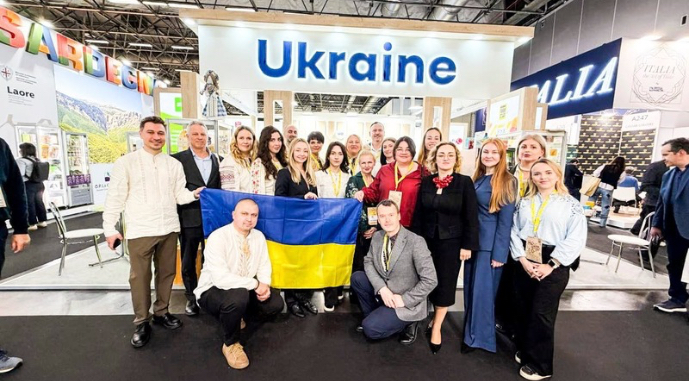
Ukraine Showcases Food Exports at SIAL Paris 2026
 14 October 2026, 07:201832
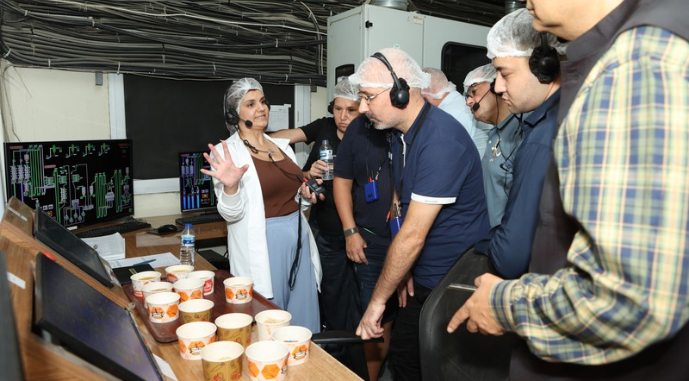
Chickpea and Lentil Paste: How One of the World's Largest Legume Processing Plants Operates
 02 October 2026, 07:201824
Shifting Trade Flows: What Opportunities Are Available to Ukrainian Producers?
- 31 October 2026, 13:20 2353
 Norwegian Market Needs Ukrainian Organic Products
The organic products market in Norway accounts for 2% of the overall market, but there is a trend towards rapid growth. For Ukraine, this is an indication of where it can focus its efforts to enter the Norwegian market.
- 12 October 2026, 08:00 4026
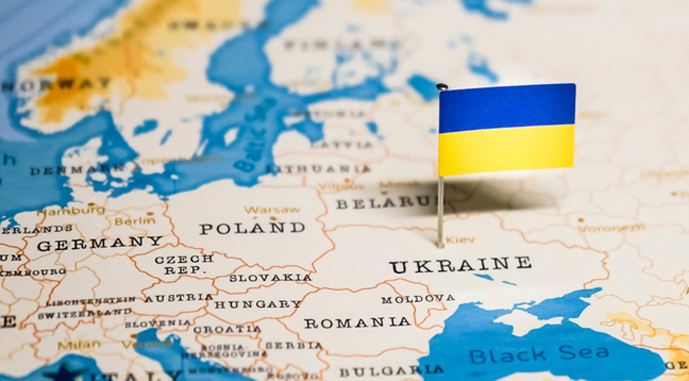 Ukrainian Agricultural Products Risk Losing Markets in Africa and Asia Due to EU Requirements
Ukraine could lose its competitive position in African and Asian markets if Ukrainian products become more expensive due to the introduction of stricter European Union requirements, while producers do not receive a corresponding price premium in foreign markets.
- 11 October 2026, 08:45 1823
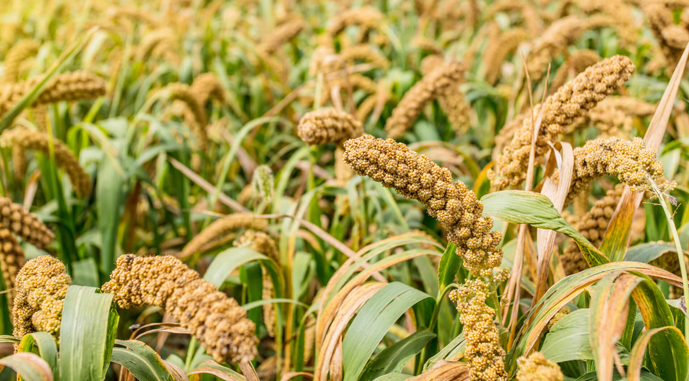 War Changes Geography of Millet Production in Ukraine
The traditional area for millet cultivation in Ukraine is the steppe regions. At the same time, under the influence of russia’s full-scale invasion of Ukraine, changes in production geography and climatic factors, the area of millet cultivation is gradually shifting and expanding, particularly towards the Forest-Steppe and Polissia regions.
- 10 June 2026, 12:00 1226Ukraine’s Trade Turnover: the Agricultural Sector Generated the Highest Revenue for the Economy
According to the results of January–May 2026, Ukraine’s trade turnover showed a significant imbalance. During this period, goods worth $40.5 billion were imported into the country, while export volumes were more than twice as low — only $17.5 billion.