
Publications
- 15 July 2026, 06:07 3527
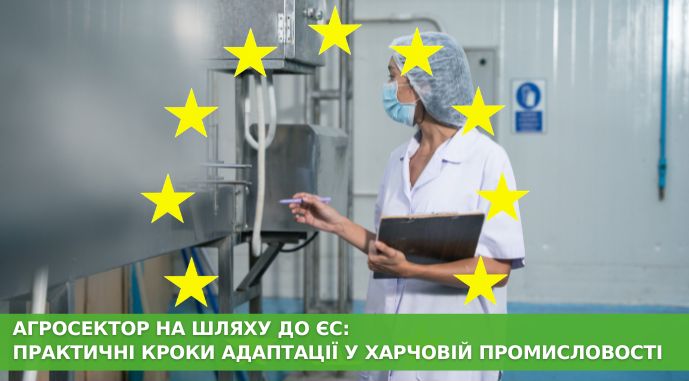 Agricultural Sector on the Path to the EU: Practical Steps for Adaptation in the Food Industry
In June, Ukraine officially opened negotiations with the European Union under the first negotiating cluster, Fundamentals. There are hopes that all negotiating clusters will be opened by the end of the summer, including the one covering the agricultural sector — Cluster 5, which encompasses agricultural policy, food safety, and fisheries.
- 08 July 2026, 06:17 3420
 Five years of experience and proven technology. How flax replaced sunflower
At the GLEK farm in the Kherson region, flax has completely replaced sunflower in the crop rotation.
- 07 July 2026, 06:07 6933
 El Niño Opens a Window of Opportunity for Ukrainian Grain Exports
Record-breaking heat across Europe has had only a limited impact on early grain crops, but corn losses are expected. Ukrainian grain could help offset these shortages, although export opportunities will largely depend on logistics.
- 01 July 2026, 06:22 5390
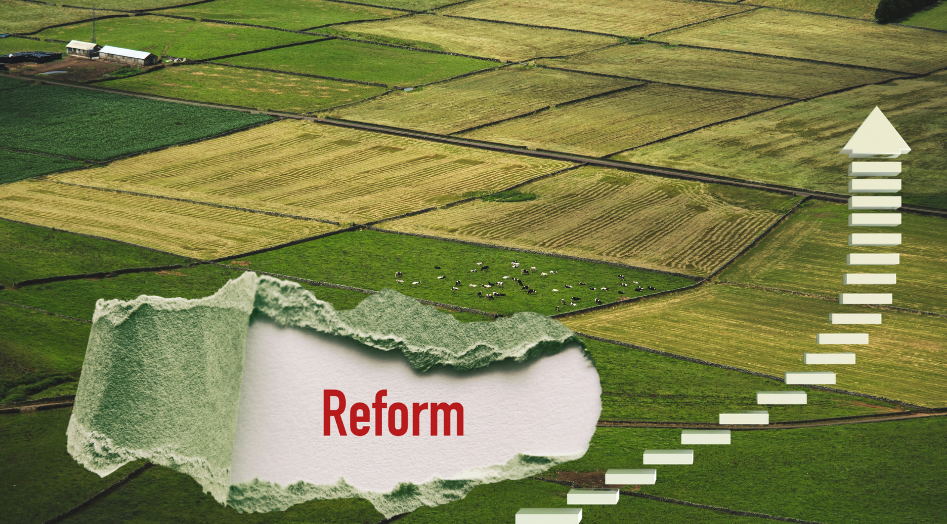 More Than a Million Hectares: Five-Year Results of Land Reform
Skeptical expectations regarding land reform have not materialized: Ukrainian soil is not being hauled away by the traincarload, and the oligarchs have not bought up all the fields. Instead, land prices are rising, and leasing has become more transparent, generating additional revenue for local communities. However, it is still difficult to use land shares as collateral.
- 28 June 2026, 06:10 2136
 Predictable harvest even in difficult years. How does life-sustaining production work?
The Kostiv farm, with a transition to organic production, which involves "economic" crop rotation, minimizes soil erosion, reduces soil compaction, and stops the loss of organic matter.
- 25 June 2026, 06:36 7814
 Processing of medicinal plants: up to 100 thousand UAH of profit from one hectare
The DITASANA farm began operating in 2020 and cultivates 24 hectares of leased land in the Kharkiv region.
- 24 June 2026, 06:06 4176
 The Agricultural Sector on the Path to the EU: Practical Steps for Adaptation in Livestock Farming
Ukraine’s EU membership requires the adaptation of livestock farming to stricter standards for product safety, animal welfare and environmental regulations. At the same time, the changes and innovations that agricultural producers will have to implement on farms will help raise production standards and expand export opportunities for Ukrainian products.
- 22 June 2026, 06:01 3842
 On the Verge of Survival: Greenhouse Growers Are Operating at a Loss Amid the Energy Crisis
The war and the energy shock have transformed Ukraine’s greenhouse business, but it remains a strategically important sector. Western regions are gradually forming new greenhouse hubs. Those who focus on the latest technologies are the ones surviving. With energy costs rising to 60–70%, domestically grown greenhouse vegetables and herbs are becoming uncompetitive. In such conditions, it is cheaper to import produce.
- 18 June 2026, 06:23 3310
 Shahnoza Muminova: The Main Challenge for Ukraine’s Farmers Is Uncertainty
Today, the main challenge for Ukraine’s agricultural sector is uncertainty. Farmers do not always know whether they will be able to access their fields, whether the land will be safe, whether they will have enough funds for seeds, fertilizers, feed and fuel, or whether they will be able to store and sell their harvest.
- 08 June 2026, 06:24 4252
 Agricultural Sector on the Path to the EU: Practical Steps for Adaptation in Crop Production
Ukraine’s integration into the European Union in the field of crop production is considered one of the most challenging areas due to the need for a fundamental transformation of regulatory frameworks and cultivation practices.
- 05 June 2026, 06:00 3703
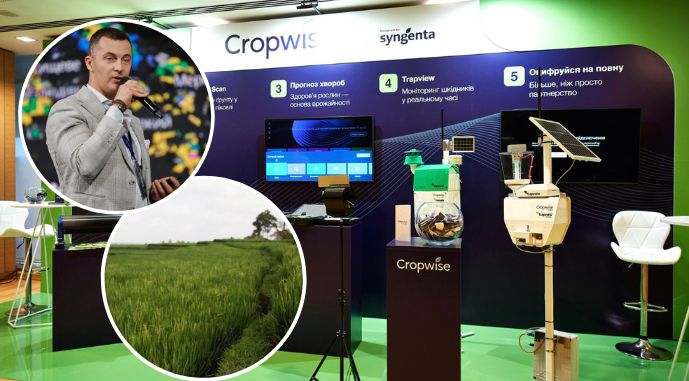 Delivering Innovation to Every Field: Which Digital Solution Farmers Chose
Today, staying one step ahead is no longer optional for farmers — it is a business reality. To increase productivity, reduce costs and strengthen resilience, agricultural businesses need to move beyond traditional approaches and build their operations on accurate data.
- 26 May 2026, 05:49 6285
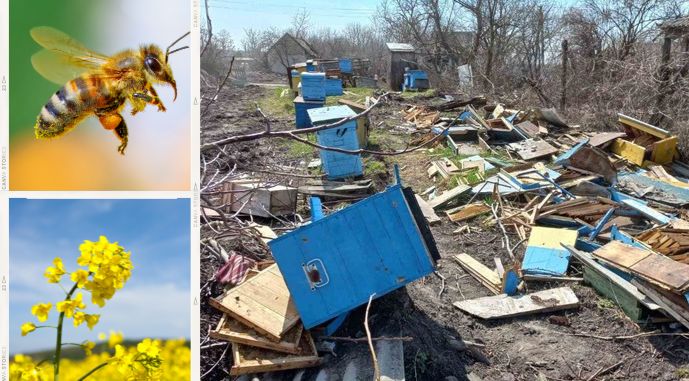 Beekeeping During the War: How the Industry Withstood the Challenges and Is Integrating into the EU
The full-scale war has dealt a serious blow to Ukrainian beekeeping, causing both the direct death of millions of insects due to shelling and fires, and the destruction of thousands of farms in occupied and frontline territories.
- 25 May 2026, 06:19 6118
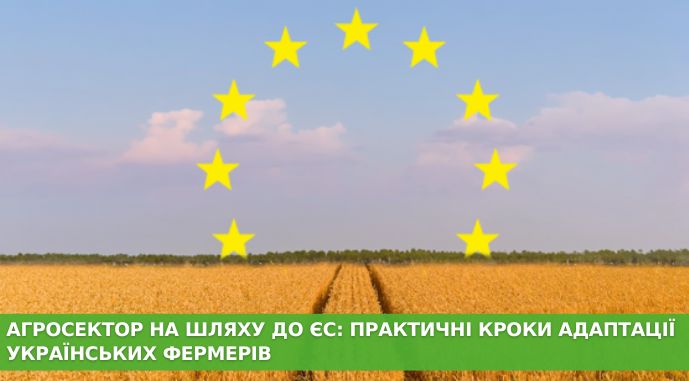 Agricultural sector on the path to the EU: practical steps for Ukrainian farmers to adapt
The European integration of Ukraine’s agricultural sector is now an entirely realistic development scenario for the industry. Ukraine has already implemented around 74% of the provisions of the Association Agreement related to agriculture and rural development, and 83% of those concerning food safety, veterinary and phytosanitary policy.
- 20 May 2026, 06:11 5219
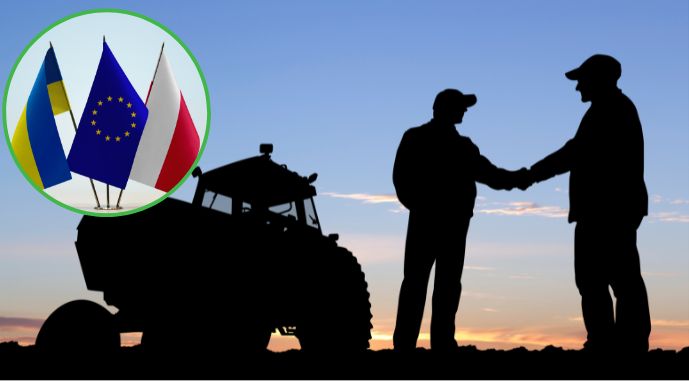 Ukraine vs Poland: Can Competition Grow into Partnership?
In recent years, Polish farmers have made numerous accusations against Ukrainian agricultural producers. There is a certain level of competition between producers in the two countries, as well as concerns about possible pressure on Polish farmers if Ukraine joins the EU. But is a compromise possible between producers and farmers in both countries?
- 14 May 2026, 06:09 6747
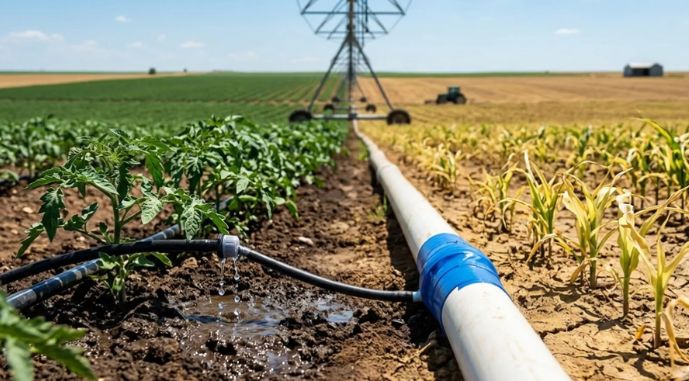 Not by reform alone: how water shortages will affect irrigation development in Ukraine
Climate change and water shortages raise the issue of the need for irrigation and the organization of additional moisture supply for farmers. Today, out of 31 million hectares of land in Ukraine, 18 million hectares are under water deficit, and 3 million hectares are critically under water deficit.
- 08 May 2026, 06:06 2261
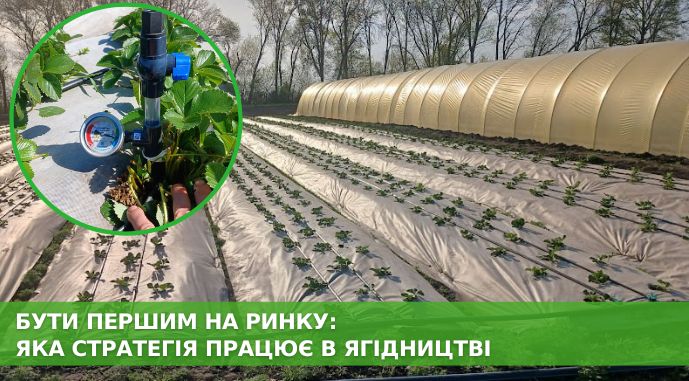 Being first on the market: which strategy works in berry farming
Farmer Yuriy Kushnir from Luhansk region, after the start of the war and his forced relocation to Poltava region, not only restored his farm but is also actively developing modern berry production. His approach combines experience, technology and a clear strategy: focusing on quality and staying ahead of the market.
- 05 May 2026, 06:03 4714
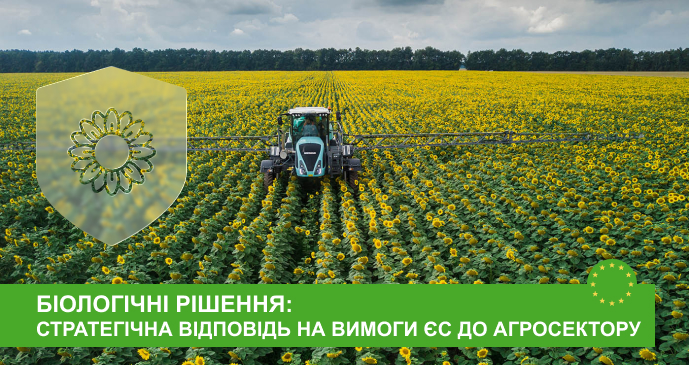 Biological solutions: a strategic response to EU requirements for the agricultural sector
For Ukrainian farmers, the European Union is the most important market, one that is already shaping export strategies and production technologies. In January–February 2026 alone, Ukraine exported 9.95 million tonnes of agricultural products worth a total of $4 billion. At the same time, foreign currency revenues from agricultural exports increased by 9.3% compared with last year, while the EU’s share in total exports amounted to about 50%.
- 29 April 2026, 05:59 8173
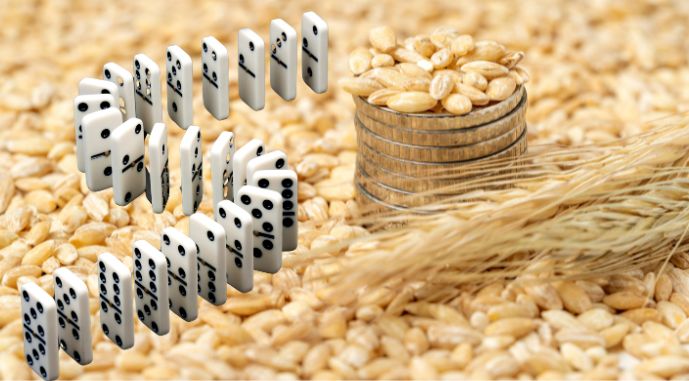 Domino effect: how the Middle East crisis will affect the global grain market
When forecasting grain prices, market participants now take into account not only weather conditions and the balance of supply and demand, but also the geopolitical situation. The military conflict in the Middle East and the threat of a blockade of the Strait of Hormuz may have long-term consequences for the global grain market.
- 25 April 2026, 06:06 4753
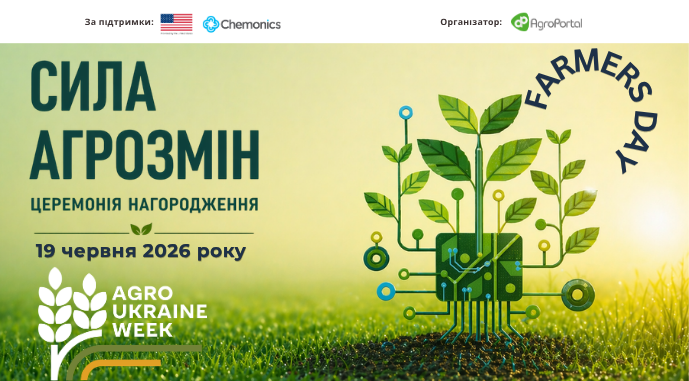 POWER OF AGROCHANGES: innovative farmers to be recognized during FARMERS DAY
As part of the conference on large and small farming Agro Ukraine Farming, the winners of the POWER OF AGROCHANGES competition will be awarded during the FARMERS DAY event on June 19.
- 16 April 2026, 05:42 9051
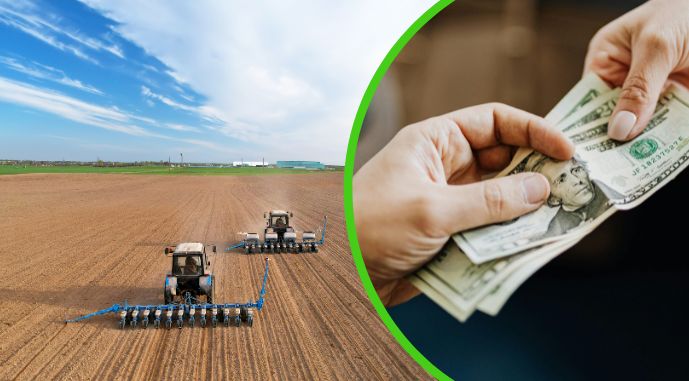 Diesel fuel has increased in price by 67%. How this will affect the cost of growing major crops
The production cost of major crops will increase by 14-17% this year, including wheat by 14%, corn by 17%, and sunflower by 16%.