
Publications
 05 October 2026, 05:485870
El Niño Expected to Continue into 2027: What Farmers Should Prepare for Now
 02 October 2026, 06:021456
Third Season in Surplus: Global Durum Wheat Trade Is Slowing
 25 September 2026, 06:372176
Olha Trofimtseva: Ukraine Needs the European Union No Less Than the EU Needs Ukraine
- 17 September 2026, 05:48 2766
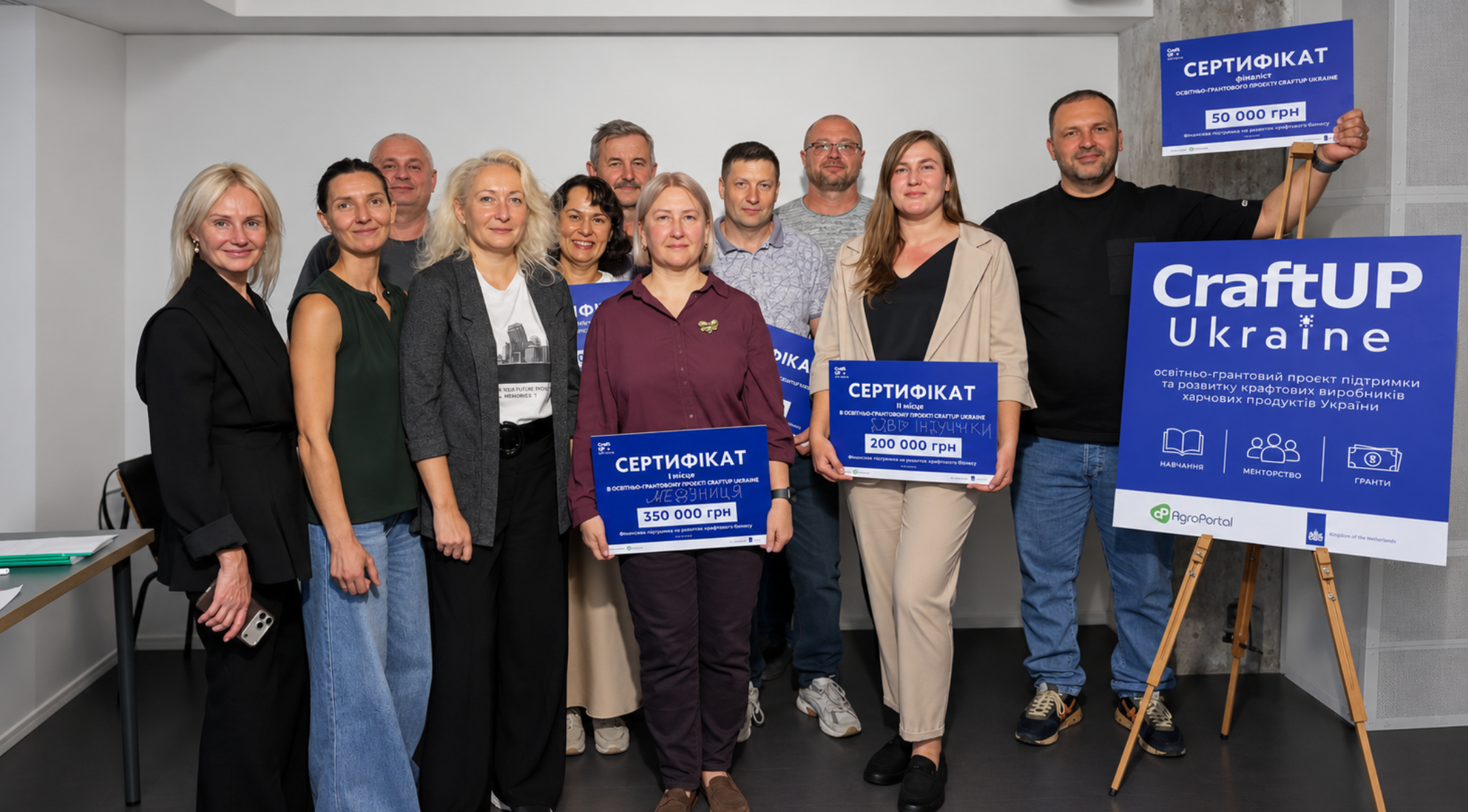 Together Means More: How a Community Can Open New Opportunities for Craft Producers
On September 15, the finalists of the CraftUP Ukraine educational and grant project presented their business projects in Kyiv. Craft producers from different regions of Ukraine came to the capital to present ideas whose implementation will help them develop and scale up their production.
- 15 September 2026, 06:04 2891
 Operational Survival Mode: Do Farmers Have a Plan B?
The resilience of Ukraine’s agricultural sector has become an example for European partners, as it is based on unprecedented adaptability to change and flexibility in decision-making.
- 12 September 2026, 06:18 4966
 Cold-Pressed Oil and Macerates: How Processing Changes the Economics of a Walnut Orchard
Walnuts are an almost zero-waste crop. And income can be generated not only from selling the kernels. Oil is pressed from them, macerates are produced, while the press cake left after pressing is processed into flour and other food products. Even green walnuts, partitions, shells and leaves can be put to use. Thus, a single harvest can provide a producer with several value-added products at once.
- 10 September 2026, 05:43 2281
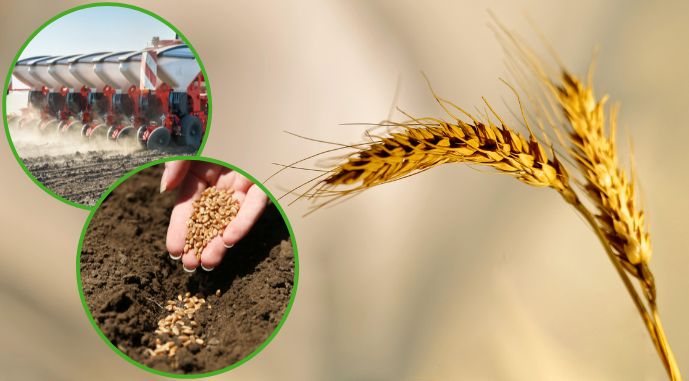 1 Million Fewer Hectares of Winter Crops for the 2027 Harvest: How Farmers Are Redistributing Resources
The area under winter crops for the 2027 harvest will most likely be smaller than during the 2026 sowing campaign. Under an adverse scenario, the reduction could reach up to 1.0 million hectares.
- 09 September 2026, 05:48 2796
 Beer with a Taste of the Middle Ages: How Much Does It Cost to Open a Craft Brewery?
Historian and serviceman from Kharkiv Region Viktor Yesipov had been searching for original beer flavours and dreaming of his own brewery since his student years — one that would stand out from conventional breweries through its authenticity. Comparing mass-market beer with beer served in pubs, he realised that he wanted to try brewing a drink according to his own recipes, but he was not able to bring the idea to life immediately.
- 01 September 2026, 06:02 4571
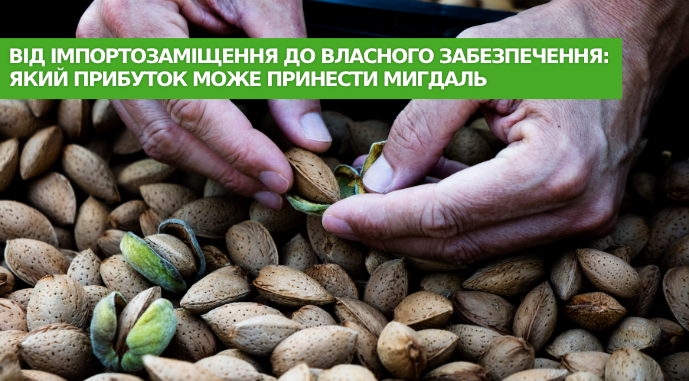 From Import Substitution to Self-Sufficiency: How Much Profit Can Almonds Generate?
Last year, Ukraine imported more than 4,000 tonnes of almonds, spending €23 million on them. These funds could have gone to local producers, as this nut can be successfully grown in Ukraine’s climate, especially given the state programmes supporting horticulture, which cover 16 regions.
- 29 August 2026, 06:18 2075
 Bread for Locals: The Story of the Creation and Development of the Only Stone Mill in One of Zhytomyr Region’s Communities
After russia’s full-scale invasion, the Nahornyi family moved from Kyiv to the village of Zabolot in Zhytomyr Region. At the time, they had no clear understanding of what to do next. But their long-standing dream of having their own mill came to life in the new location and found support within the community.
- 24 August 2026, 05:34 2486
 Dual-Track Approach on Ukraine’s Agricultural Path to Independence: Why Trying to Navigate Between Two Sides Failed and Which Strategy to Choose
Today, Ukraine marks the 35th anniversary of its independence and, along with it, 35 years of development of its agri-food sector. Over this period, the industry has transformed from the collective and state farm system into an agricultural business sector, becoming one of the largest players on the global market.
- 19 August 2026, 05:48 5783
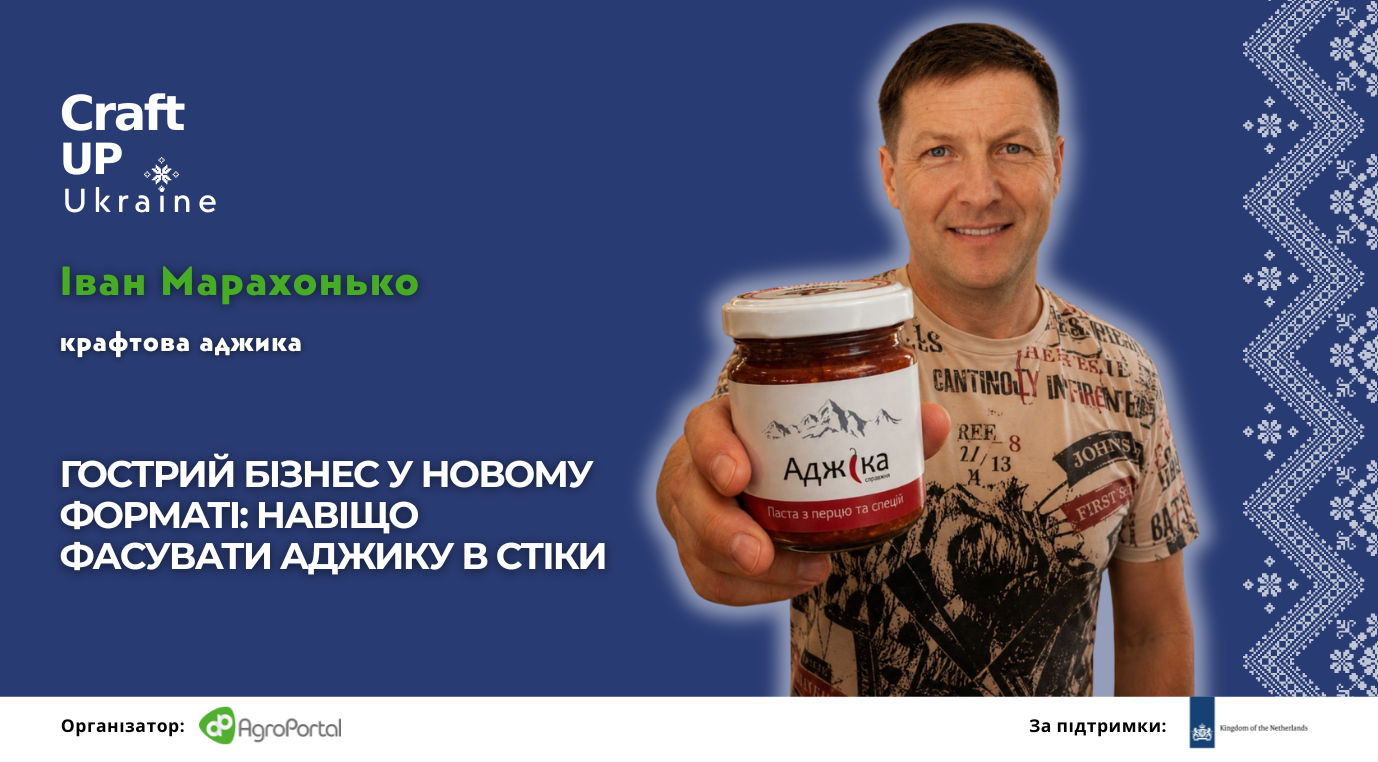 A Spicy Business in a New Format: Why Package Adjika in Sticks
Ivan Marakhonko, a displaced person from Donetsk region who is now serving in the military, relocated to Kyiv region back in 2018 due to active hostilities in his home region. It was then that he became interested in producing original adjika.
- 16 August 2026, 06:28 2930
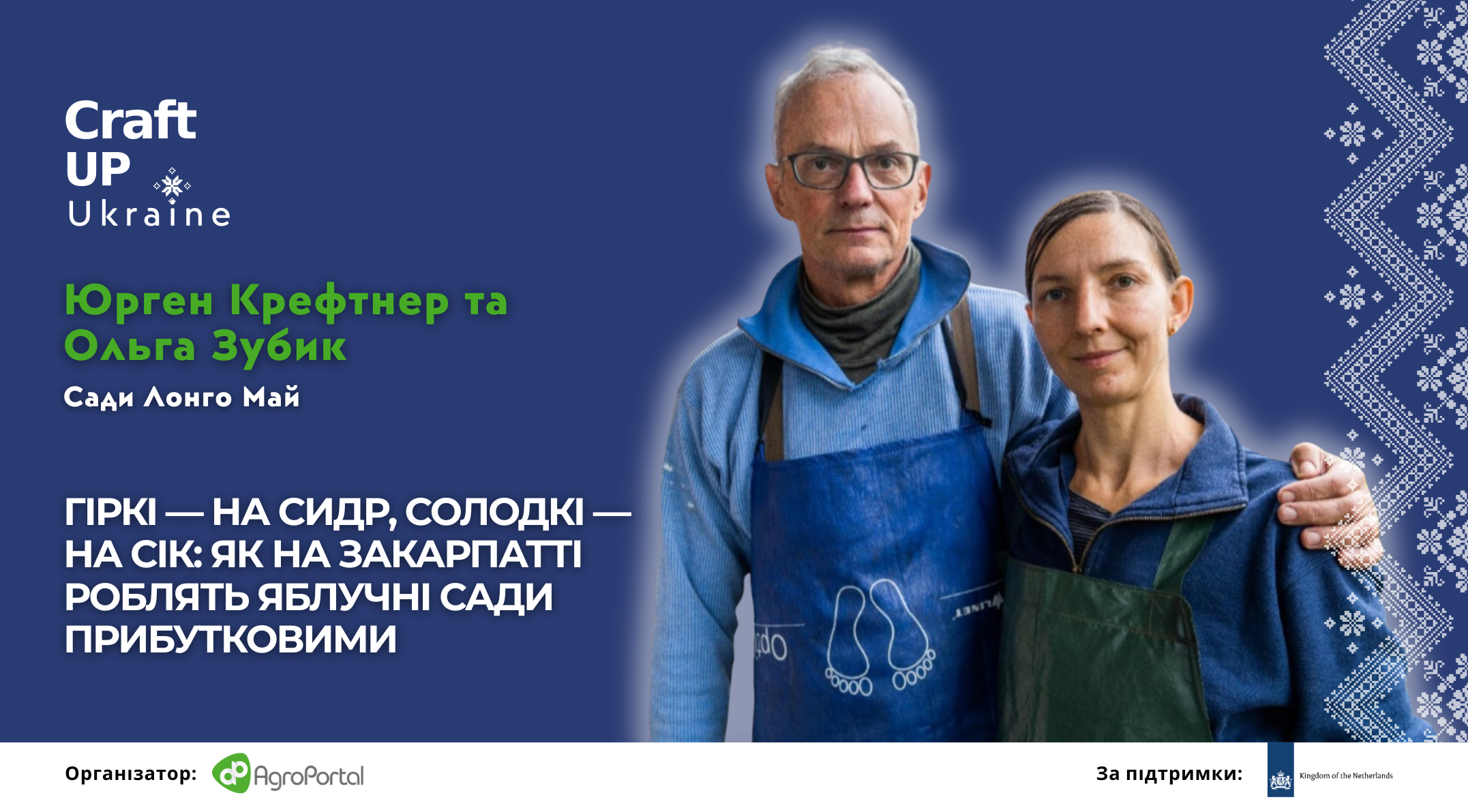 Bitter Apples for Cider, Sweet Ones for Juice: How Apple Orchards Are Made Profitable in Zakarpattia
In autumn, there are plenty of apples in Zakarpattia. Sometimes, too many. They fall into the grass and lie beneath old trees. Until the 2000s, these apples could usually be sold for fairly good money. However, 15–20 years ago, people did not know what to do with their harvest. Old orchards began to decline, and local residents saw no point in taking care of the trees because they had stopped generating income. The work invested in them was no longer worthwhile, either financially or emotionally.
- 08 August 2026, 06:18 7121
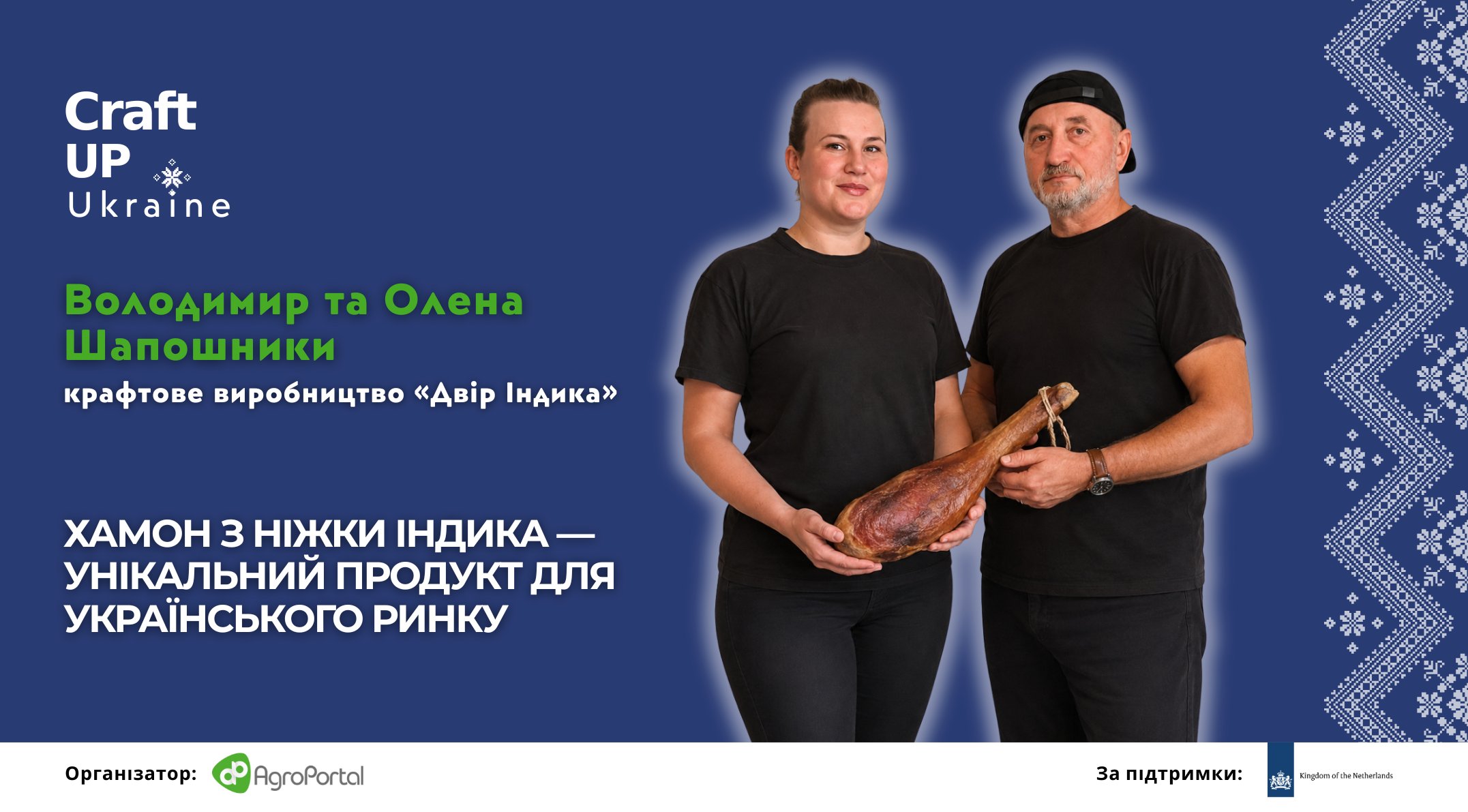 Turkey-Leg Jamón — a Unique Product for the Ukrainian Market
The Dvir Indyka craft production business in Poltava Region raises more than 2 tonnes of turkey meat per year, of which only 20% is processed. Its product range includes sausages and frankfurters, as well as various smoked products. The farmers plan to build a fully equipped processing facility, modernise the infrastructure and produce a product unique to the Ukrainian market — jamón made from a turkey leg. To do this, they need a climate-controlled chamber.
- 06 August 2026, 06:33 3973
 Taras Vysotskyi: I Will Work for the Public Good for as Long as the State Needs Me
Taras Vysotskyi is not a new figure at the agricultural ministry. Having served as Deputy Minister for seven years, both in a separate ministry and within merged ministries, he remained a source of stability for participants in the agri-food sector.
- 31 July 2026, 06:44 3318
 Port Shutdown Costs Ukraine $70 Million in Export Revenue Every Day. Can the Hryvnia Withstand the Pressure?
Ukraine’s foreign trade deficit reached $28.3 billion in the first half of 2026, while demand for foreign currency remains high. Each day that Black Sea ports remain closed costs the country approximately $70 million in export revenue.
- 28 July 2026, 06:21 16023
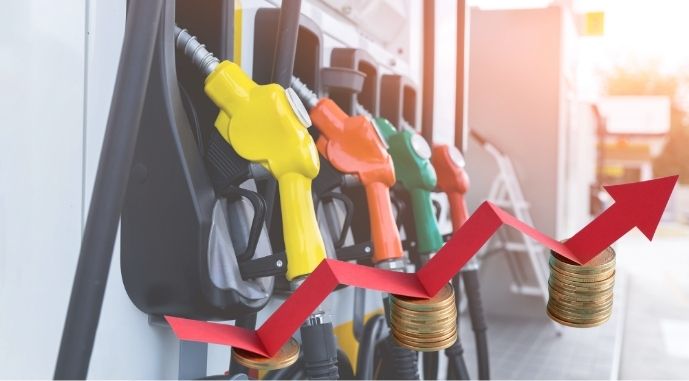 Diesel Prices Rise During Harvest: Break-Even Yield for Winter Wheat Revealed
Fuel prices in Ukraine continue to rise, with the average price of diesel approaching UAH 90 per litre.
- 20 July 2026, 06:30 3441
 The Agricultural Sector on the Path to the EU: Effective Steps to Adapt to New Requirements
Ukrainian agricultural producers—from large-scale operations to small-scale craft producers—are paying increasing attention to safety, traceability, and transparency in production. These principles are driven not only by changes in the legislative framework as Ukraine moves toward European integration, but also by consumer demand.
- 19 July 2026, 06:28 3823
 From Data to Decisions: How Artificial Intelligence Is Transforming Livestock Farming
Artificial intelligence (AI) is increasingly becoming the link between data collection and decision-making in livestock farming. While farmers have invested heavily in sensors, farm management software, and automated systems over the past decade, the key challenge today is making effective use of the vast amounts of data being collected.