
News
- 07 August 2026, 08:00 1510
 Emergency Support Package for Farmers to Total UAH 80 Billion
The government has approved an emergency support package for Ukrainian farmers in response to Russian terror in the Black Sea and the blockade of export routes. The total amount of lending available under the programme will be up to UAH 80 billion.
- 06 August 2026, 13:48 1743
 Ukraine’s Pea Exports Increase by 75%
The export potential for peas this season is forecast at 350 thousand tonnes, which is 75% higherthan in the previous season. Experts hope that access to the Chinese market will stimulate exports.
- 06 August 2026, 12:00 2513
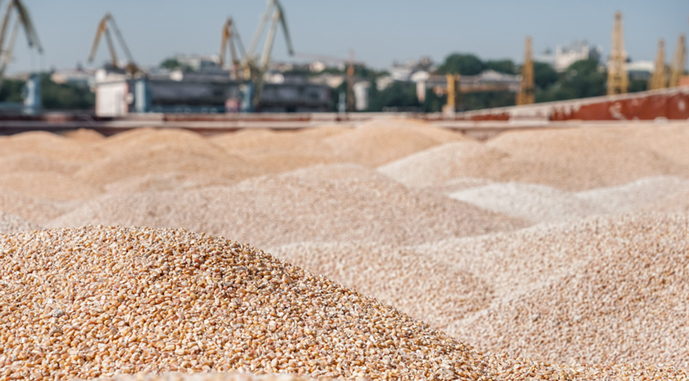 It Will Take a Month to Return to Previous Export Volumes After Port Operations Resume
Russian attacks on civilian vessels and port infrastructure have effectively halted traffic to the ports of Greater Odesa. Ukraine is expanding exports by rail, road and via the Danube. However, these routes will be able to provide only about half the capacity of the Black Sea ports. This poses a threat to exports of Ukraine’s harvest and the stability of global food markets.
- 05 August 2026, 16:05 1466
 Farmers Are Stocking Up on Fuel Several Months in Advance
AGROTRADE Group confirms that rising fuel prices will affect profitability, as the company’s budget was based on completely different price assumptions, and no one could have anticipated such a development.
- 05 August 2026, 09:47 1640
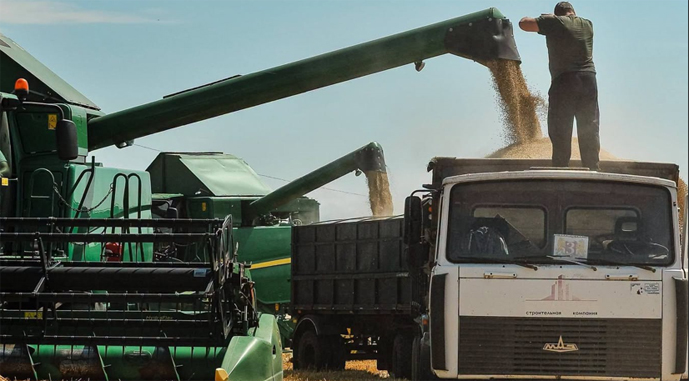 Agricultural Sector Losses from Export Disruptions Could Reach $1.5–3 Billion
Using alternative logistics routes will cost agricultural producers an additional €50–70 per tonne of products, while the total losses of Ukraine’s agricultural sector could amount to $1.5–3 billion. This is why the support of international partners is critically important both for Ukraine and for preserving global food security.
- 04 August 2026, 13:20 2871
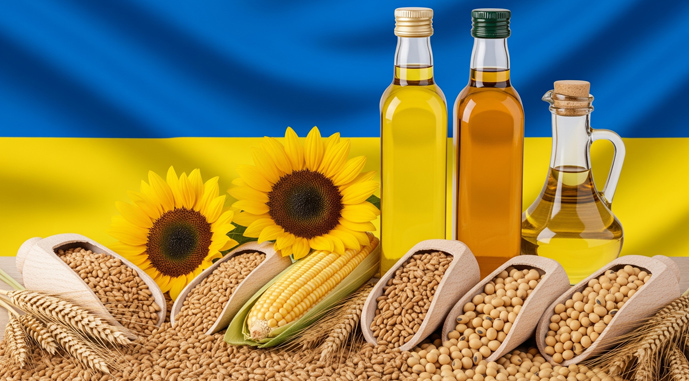 Ukraine’s Agricultural Exports Fell by More Than 20% in July
In July 2026, Ukraine exported 3.67 million tonnes of agricultural products, which is 23.4% less than in the previous month.
- 04 August 2026, 11:08 2838
 AgroFoodSummit: Ukraine and Türkiye are entering a new chapter in agricultural trade
Following the ratification of the Free Trade Agreement between the two countries, the first major international business event dedicated to exploring new opportunities will be AgroFoodSummit 2026, taking place on 24–25 September in Mersin — a strategic Mediterranean port and one of the region's leading logistics hubs for global agricultural trade.
- 03 August 2026, 13:48 1645
 Grain Shipments Rerouted to Constanța Add $30–40/t to Logistics Costs
Exporting Ukrainian grain via alternative routes inevitably increases logistics costs. Freight rates at Danube ports have more than doubled over the past month and continue to rise.
- 03 August 2026, 10:21 1387
 Agricultural Products Account for 60% of Ukraine's Total Exports in the First Half of the Year
Ukraine's agri-food exports totaled $12.592 billion in January–June 2026, up 11% compared with the same period last year ($11.305 billion).
- 02 August 2026, 11:17 9720
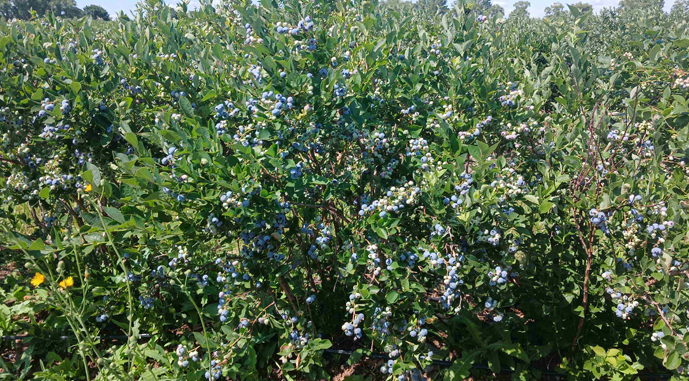 Major Blueberry Producer Plans to Triple Its Plantation Area
Orniberry, a Ukrainian blueberry producer, continues to expand its plantations and plans to triple its growing area.
- 02 August 2026, 08:44 2251
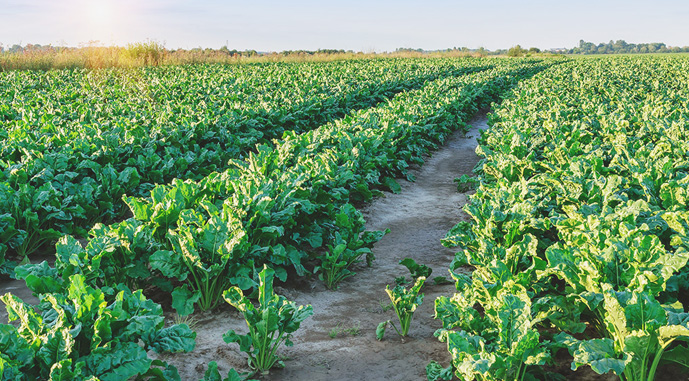 State Statistics Service Reports 2026 Sugar Beet Acreage
The State Statistics Service of Ukraine has released data on the area planted with sugar beet in 2026.
- 01 August 2026, 15:28 1911
 Ukraine Exports $2.4 Million Worth of Snails in First Half of 2026
Ukraine exported 480 tonnes of molluscs in January–June 2026, down 3.8% compared with the same period last year.
- 01 August 2026, 13:25 3515
 Table Grape Acreage Nearly Halved in Ukraine
Ukraine has 12,800 hectares of vineyards, but the total vineyard area has been declining in recent years.
- 31 July 2026, 08:45 1631
 Port Blockade: Wheat Market Expected to Face the Most Severe Impact
The suspension of seaborne exports is expected to have the greatest impact on Ukraine’s wheat market.
- 30 July 2026, 13:24 3451
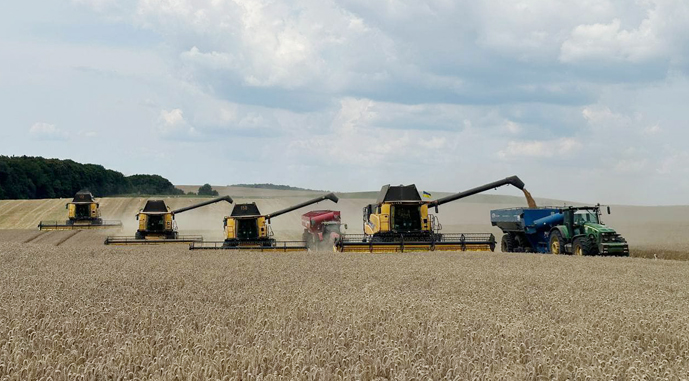 UGA Raises Ukraine’s 2026 Grain and Oilseed Harvest Forecast
The Ukrainian Grain Association (UGA) has raised its forecast for Ukraine’s 2026 grain and oilseed harvest to 84.6 million tonnes, up from the 83.6 million tonnes projected in June.
- 30 July 2026, 11:08 1471
 Prime Minister Comments on the Situation at Ukraine’s Ports
The Ukrainian government, the diplomatic corps, and all relevant state institutions are working around the clock to restore the normal operation of the country’s ports.
- 29 July 2026, 12:00 2468
 Ukraine’s Cattle Herd Declines by 200,000 Cows Over the Past Year
As of 1 July 2026, Ukraine’s household and commercial sectors accounted for 1.767 million head of cattle, including 941.2 thousand cows.
- 29 July 2026, 08:00 1133
 Ukraine Takes Another Step Towards Exporting Milk Powder and Poultry Meat to Algeria
Ukraine has confirmed its readiness to receive an Algerian inspection mission as soon as possible and to provide all necessary conditions for the inspection of a milk powder production facility.
- 28 July 2026, 16:05 2481
 Pig Population in Ukraine Declines by 4.4%
Ukraine’s pig population totalled 4.58 million head in the first half of 2026, down 4.4% compared with the same period last year.
- 28 July 2026, 08:00 3178
 Demand for Ukrainian Wheat Remains Strong Despite Export Disruptions
International demand for Ukrainian wheat remains stable despite the effective suspension of grain exports through the ports of Greater Odesa due to intensified Russian attacks.