

All the main news of the agricultural market on
📲 Telegram channel
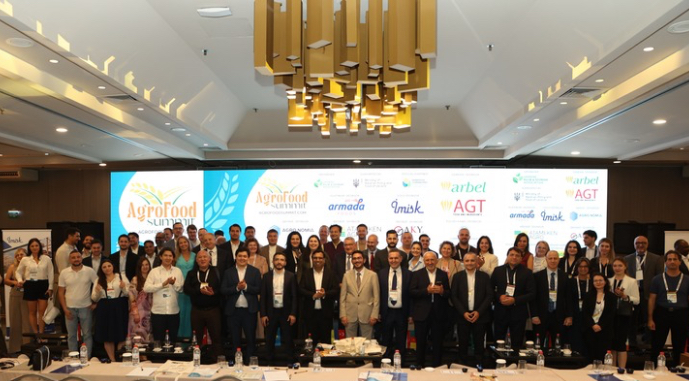
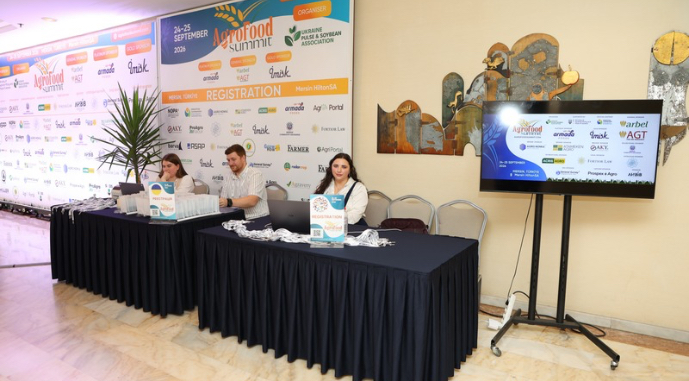
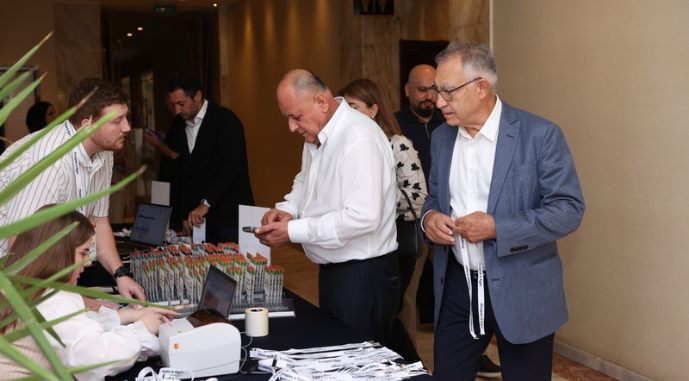
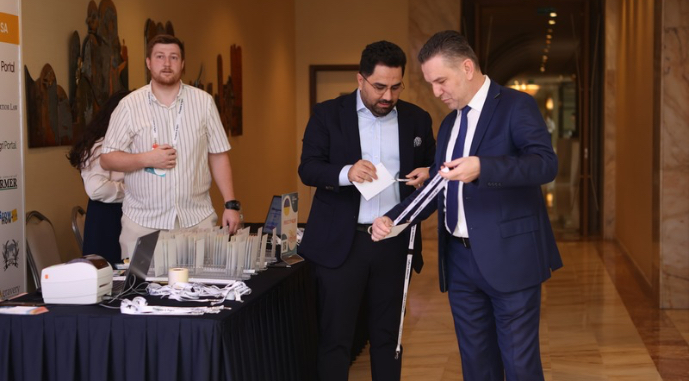
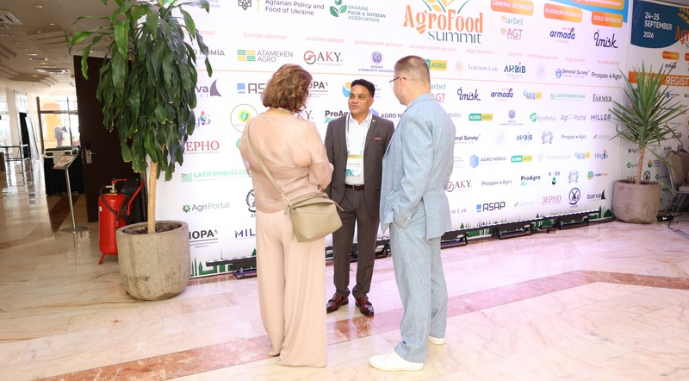
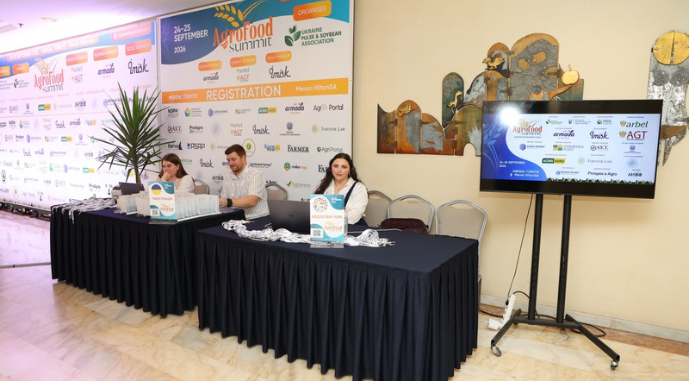
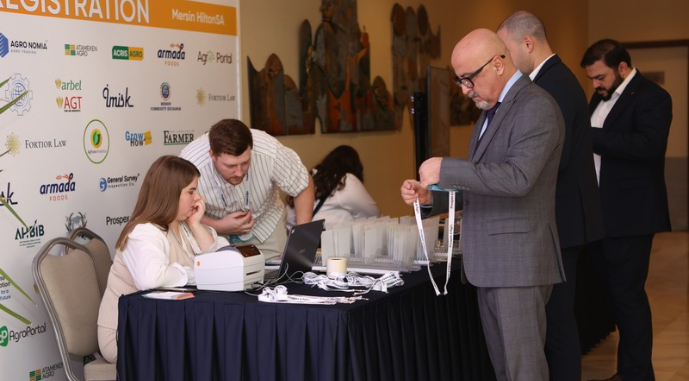
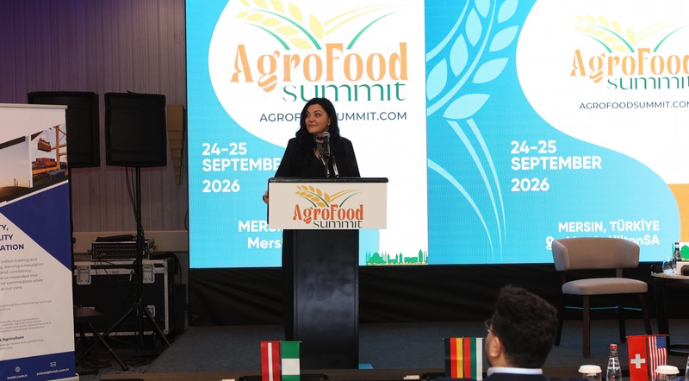

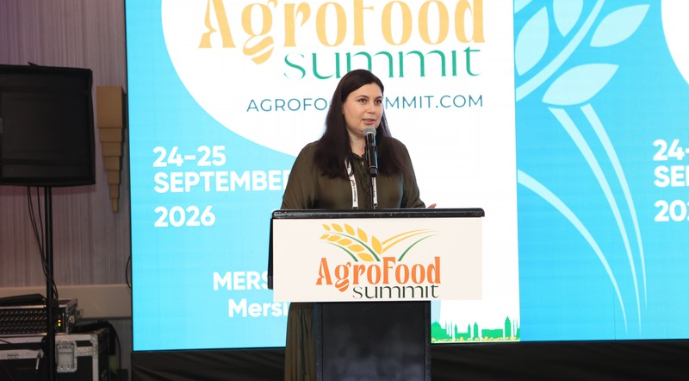
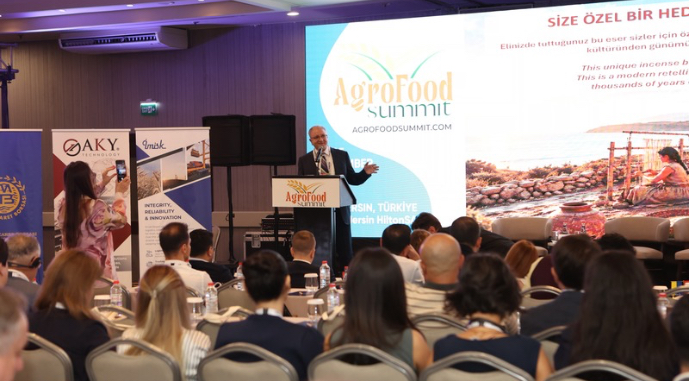
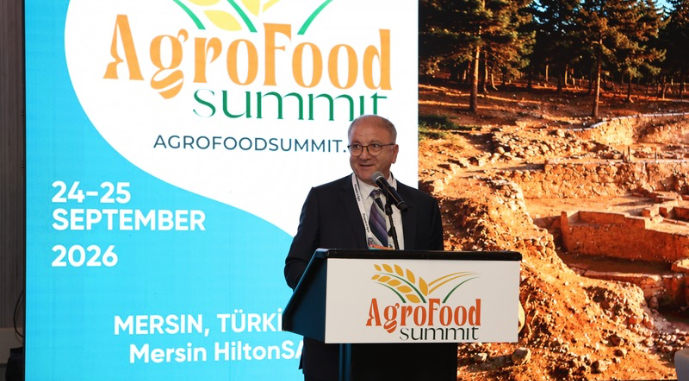
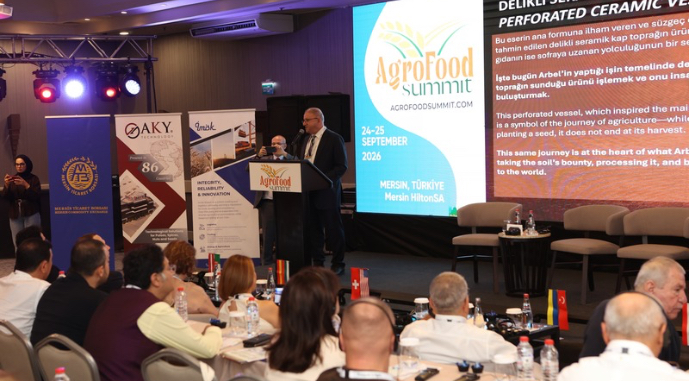
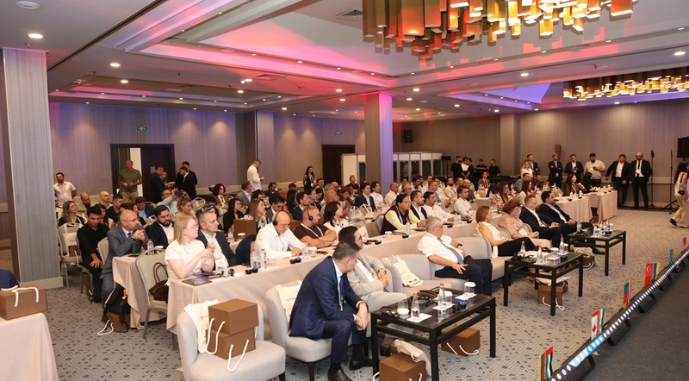
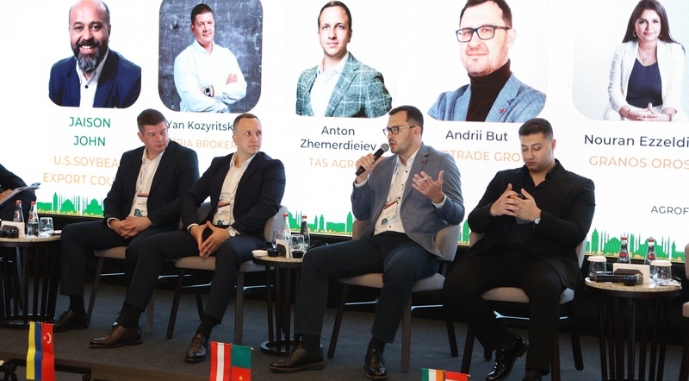
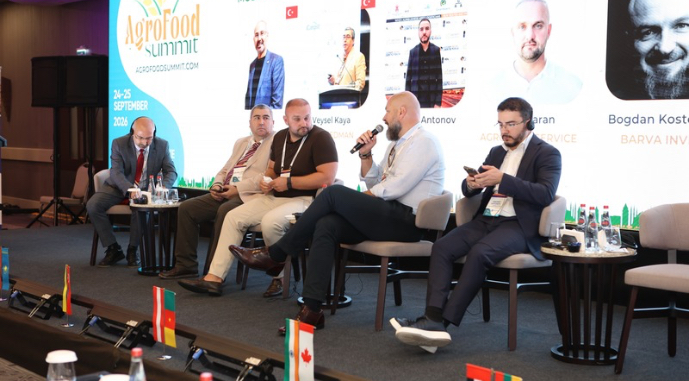
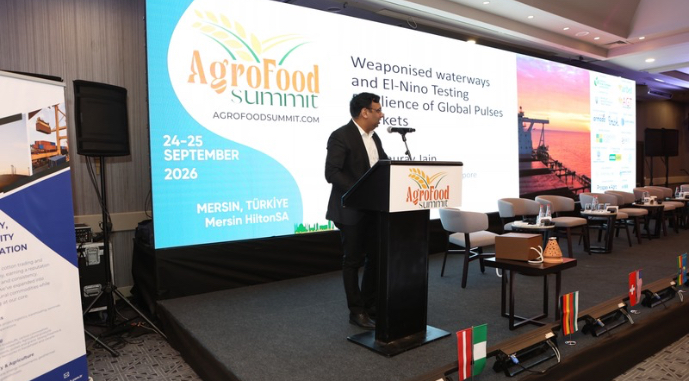
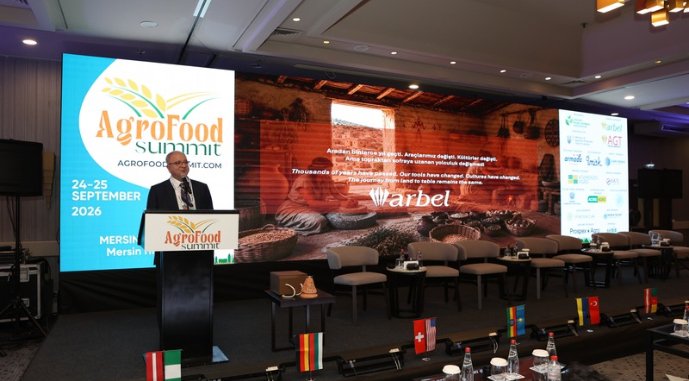
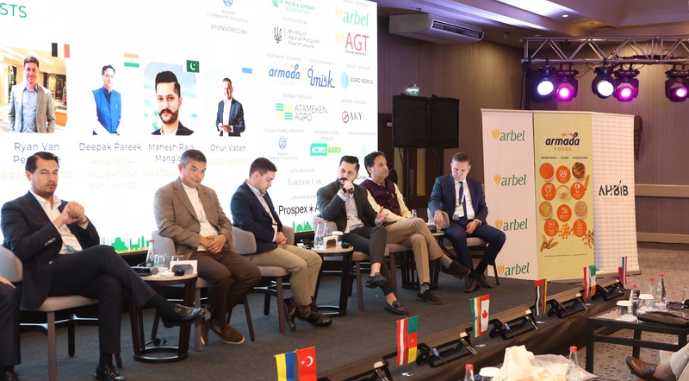
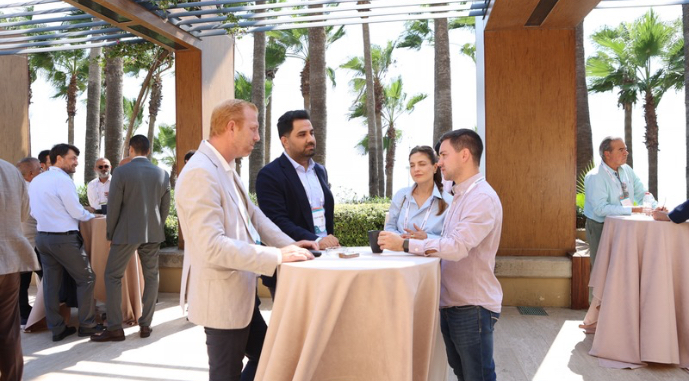
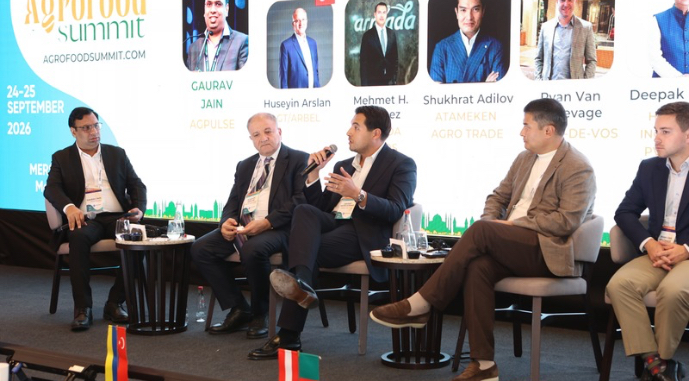
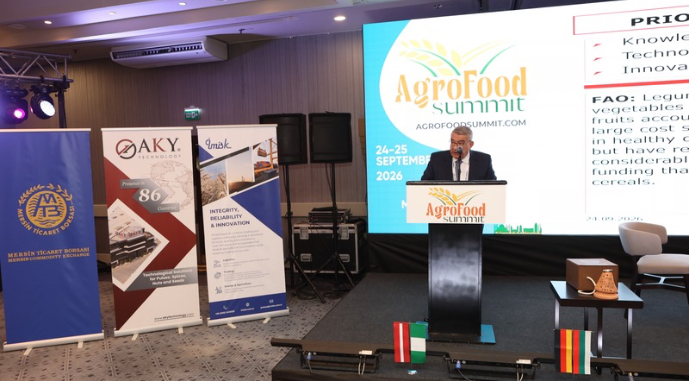
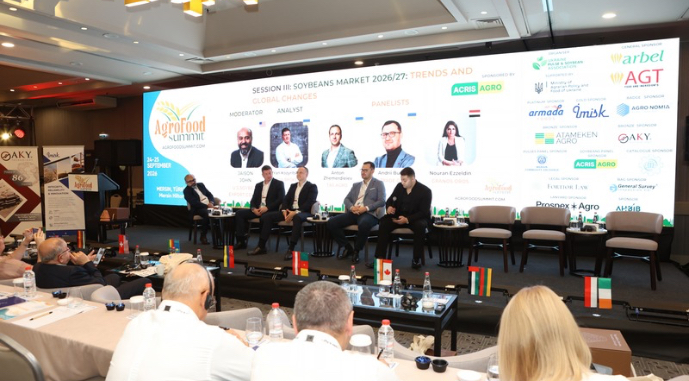
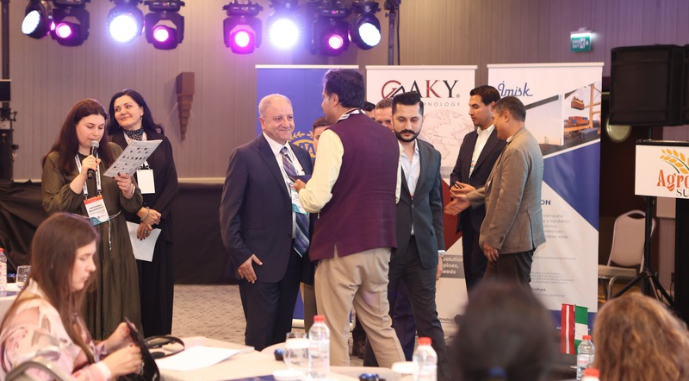

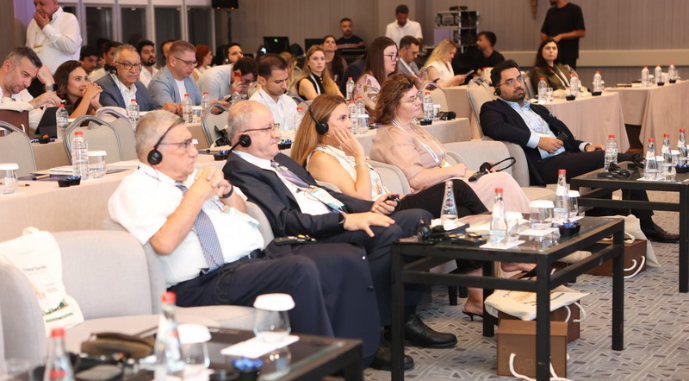
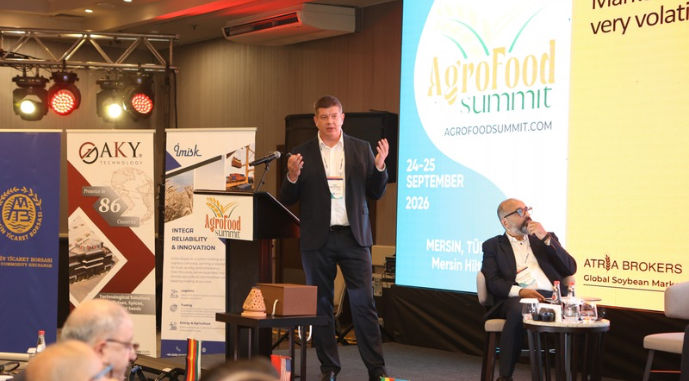
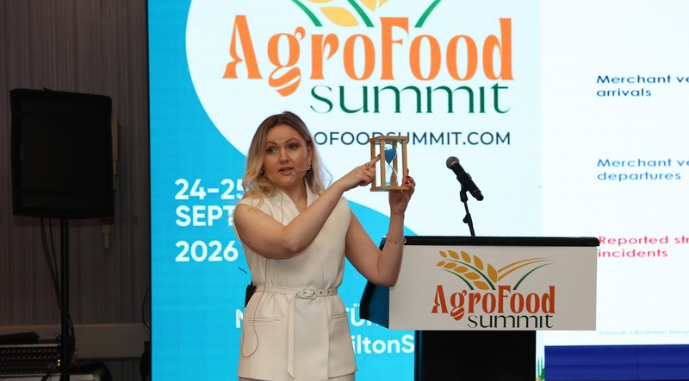
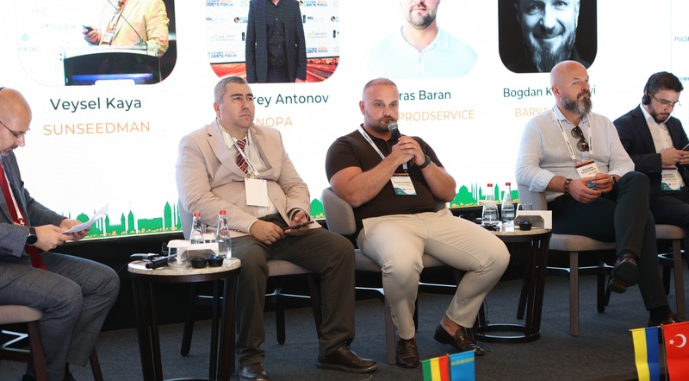
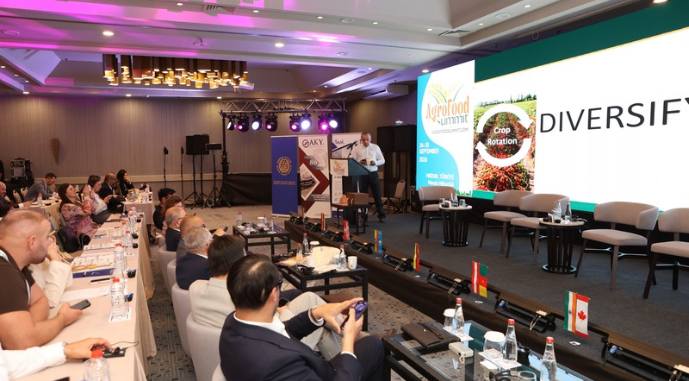
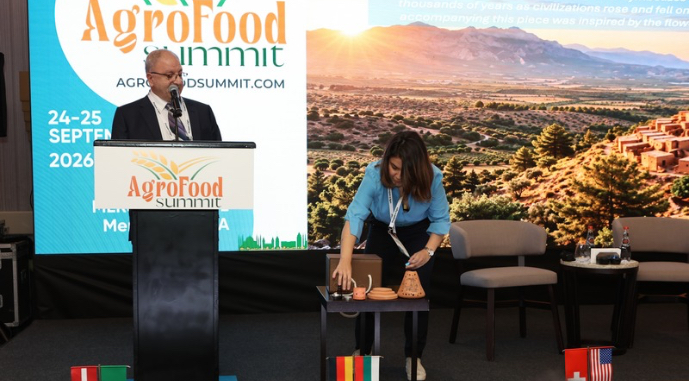

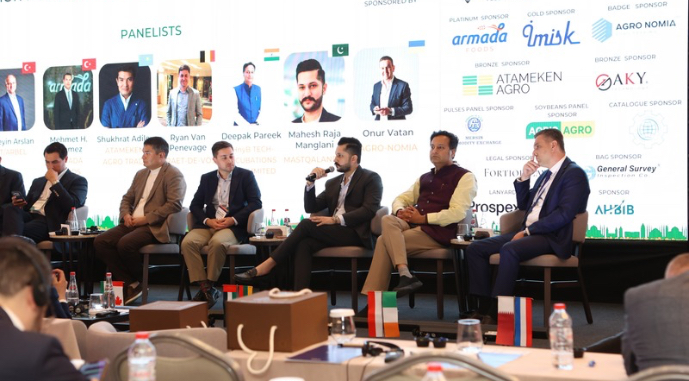
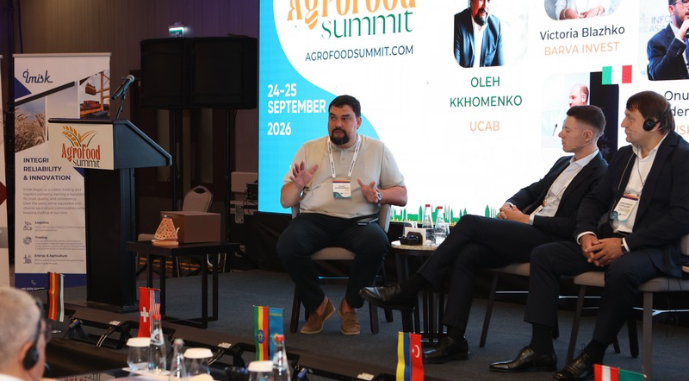
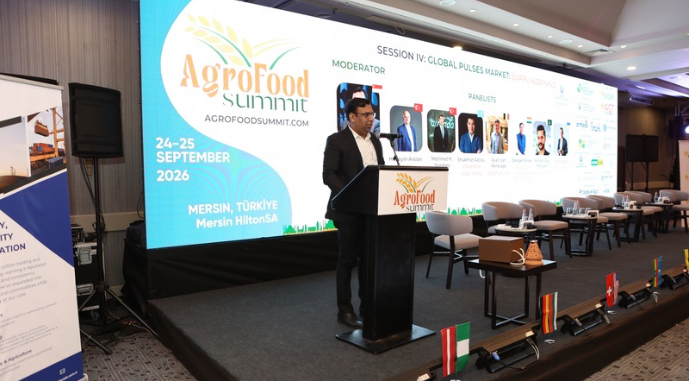
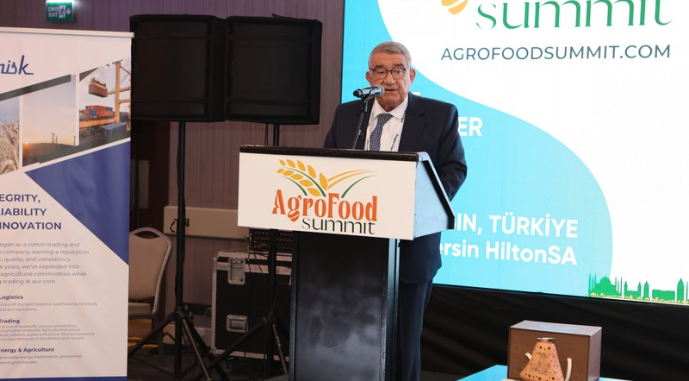
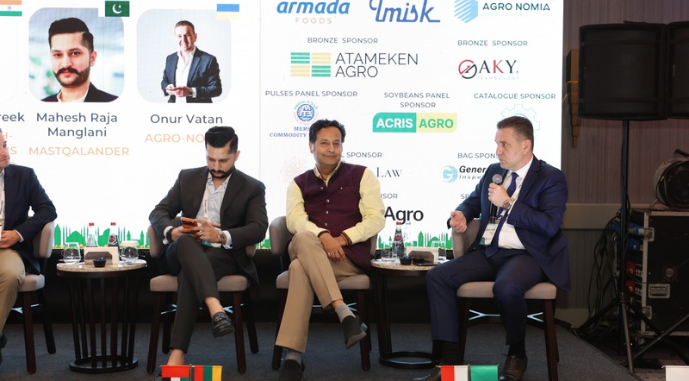
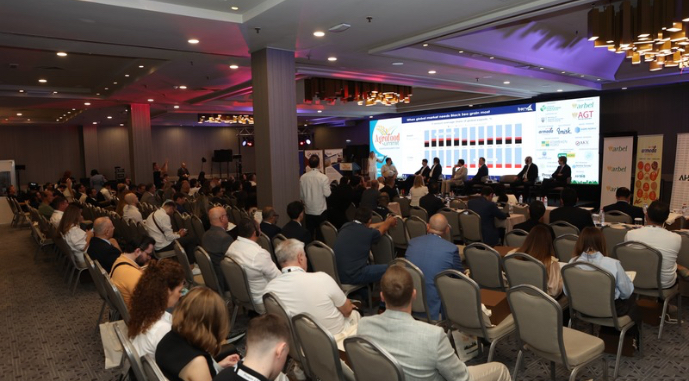

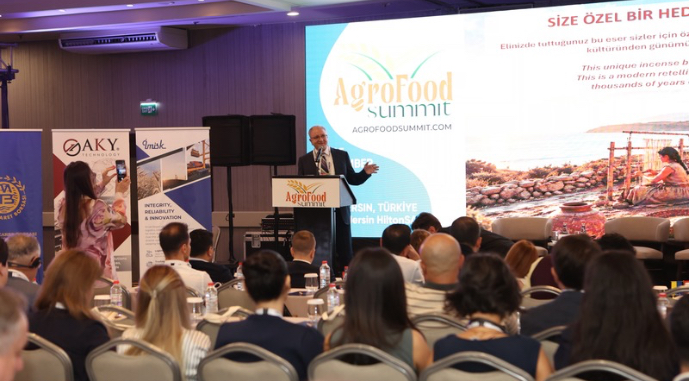
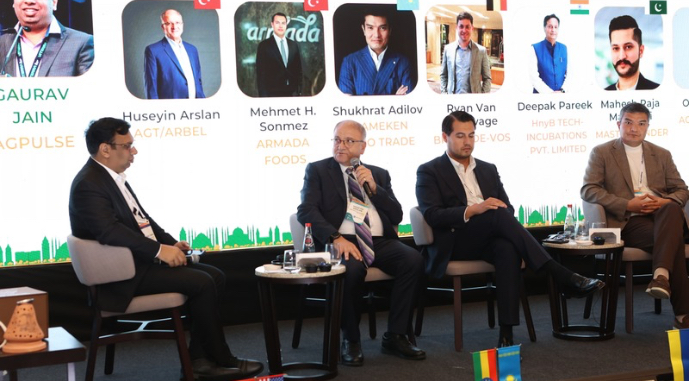
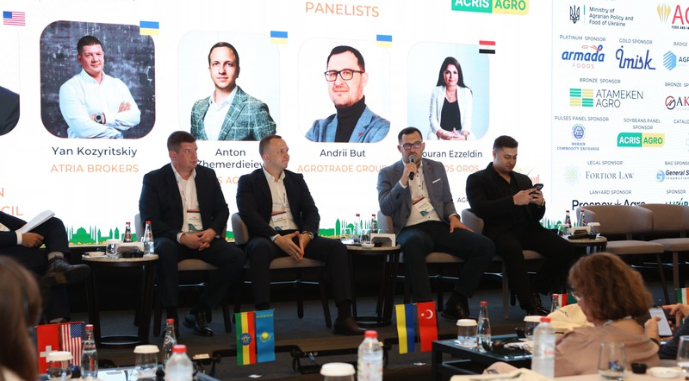
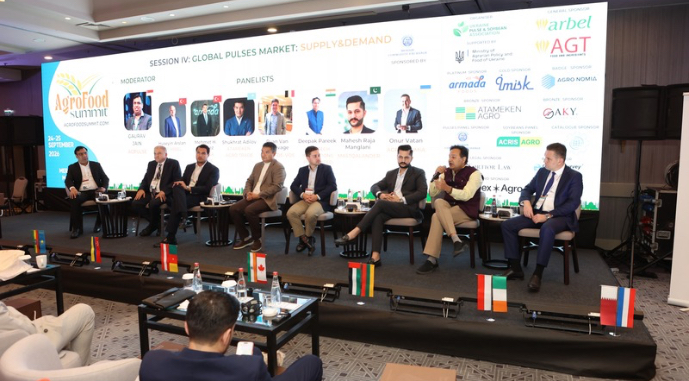
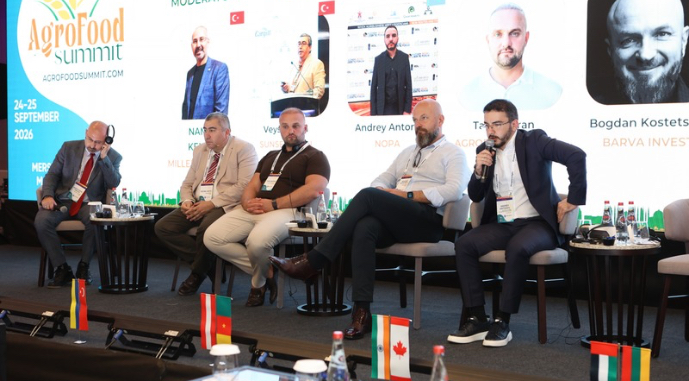
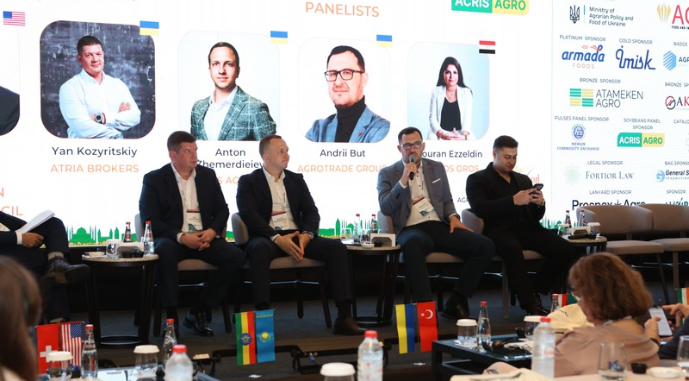
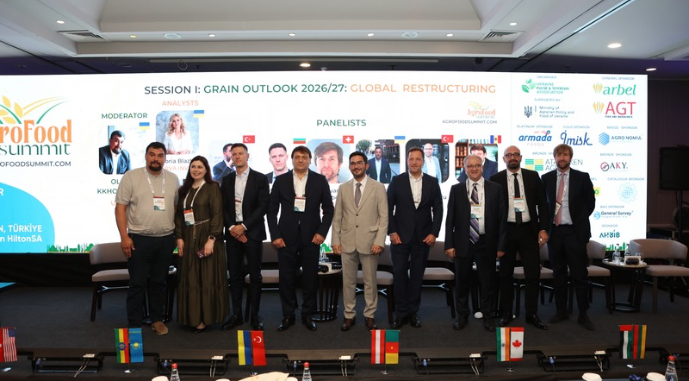
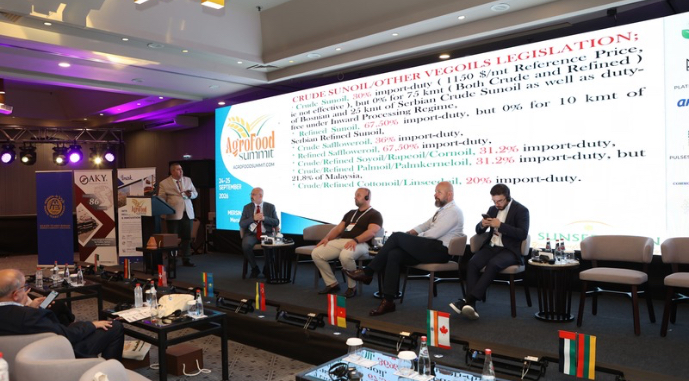
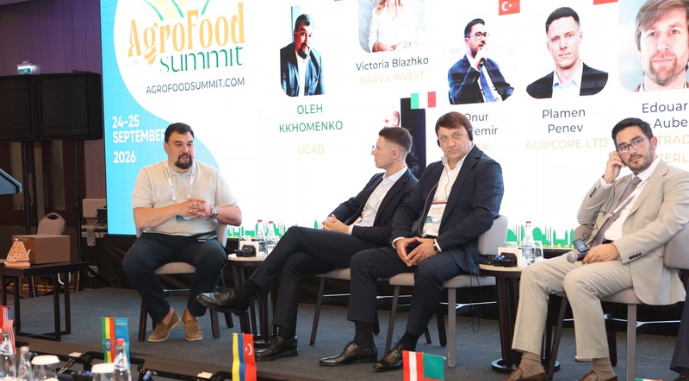
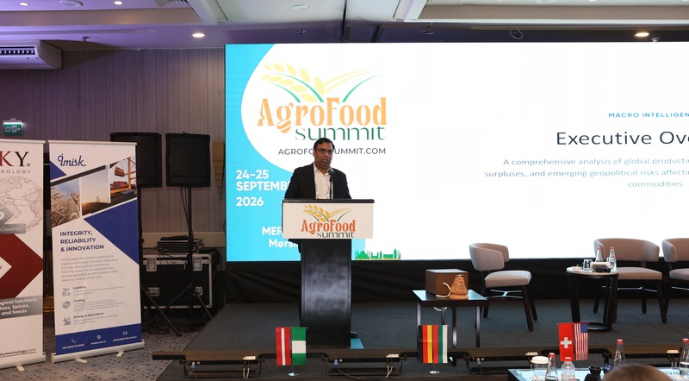

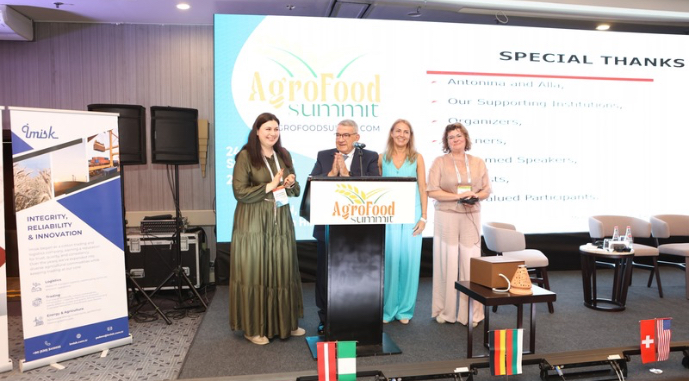
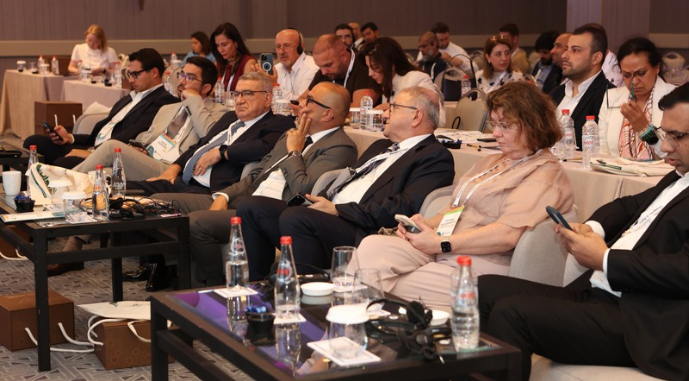
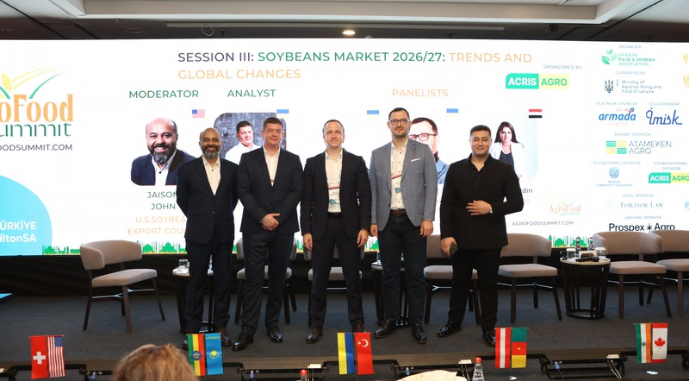
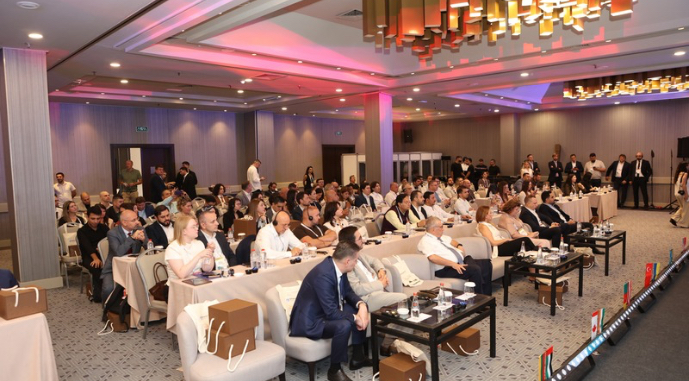
At the end of September, the Ukrainian Pulses and Soybean Association (UPSA) brought together representatives of agribusiness and international trade from 30 countries at AgroFoodSummit 2026 in Mersin, Türkiye.
The main theme running through the forum was the issue of complicated logistics caused by the blockage of ports in the Black Sea region, as traditional trade routes are becoming more expensive, suppliers are changing, and alternative export routes are being launched. For Ukraine, logistics restrictions are particularly significant given the volumes of products that need to be brought to foreign markets every month.
«Today, the global agricultural market is changing much faster than it did several years ago: producers’ and traders’ decisions are being influenced simultaneously by the war, geopolitics, logistics, trade policy and changes in global demand. That is why it was important for us to bring together producers, processors, traders and analysts from different countries on one platform and look at these processes comprehensively — from grains and oilseeds to soybeans and pulses. Today, it is important not only to talk about losses and restrictions, but also to understand how trade flows are changing and what opportunities Ukrainian producers have under these conditions,» said Antonina Skliarenko, President of the Ukrainian Pulses and Soybean Association.
Restrictions on shipping in the Black Sea region, risks to port infrastructure and rising logistics costs are affecting not only countries in the region, but also buyers in Europe, Asia, the Mediterranean and the Middle East.
«The situation in the Black Sea today is much more complicated than it was even a year ago, as the conflict has already extended far beyond the region itself. At the same time, history shows that once hostilities end, recovery can take place faster than expected. Market participants are already demonstrating their ability to adapt and find unconventional logistics solutions. It is precisely human ingenuity and businesses’ ability to adapt quickly that give grounds to expect that, once the situation stabilises, trade could recover fairly quickly,» said Hüseyin Arslan, CEO of Arbel (AGT), Türkiye.
At the same time, the geography of risks extends far beyond the Black Sea. As experts noted, the Strait of Hormuz and Bab el-Mandeb have also become problematic points for international commodity flows.
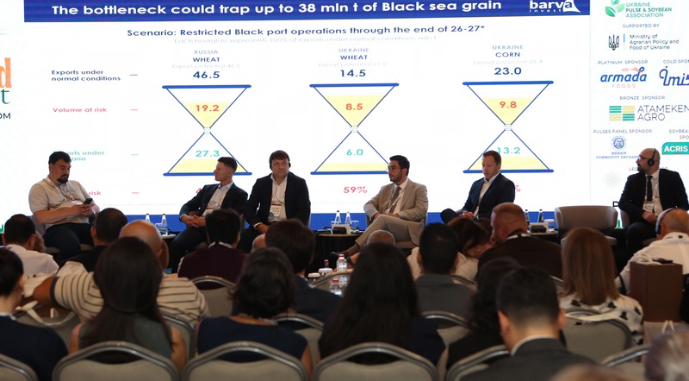
According to Viktoriia Blazhko, Lead Analyst at Barva Invest, if the limited operation of Black Sea ports continues until the end of the 2026/27 marketing year, up to 38 million tonnes of grain from the Black Sea region could be at risk. For Ukraine, the share of exports at risk is estimated at 59% for wheat and 43% for corn.
«Ukraine’s export potential this season amounts to around 55 million tonnes, which means that the country needs to export approximately 5 million tonnes of products every month in order to market the harvest. Without full-scale exports through deep-water ports, achieving this figure is extremely difficult. The market will once again adapt and look for more efficient export routes,» said Volodymyr Humeniuk, Deputy CEO of LNZ Trading GmbH, Ukraine.
The cost of this logistics restructuring has increased significantly. According to Eduard Ayube, Trading Director at CFG Trading, Switzerland, while transporting grain from central Ukraine to a vessel previously cost around $40/t on average, it can now exceed $100/t. At the beginning of the crisis, the additional costs were largely absorbed by traders and processors, but producers are increasingly feeling the impact now, and in the future this pressure may be passed on to all participants in the chain.
Thus, discussions at AgroFoodSummit 2026 showed that competitiveness in the global agricultural market is increasingly determined not only by production costs. Logistics, the security of trade routes, the ability to quickly redirect supplies, access to premium markets and the policies of major buyer countries are becoming full-fledged factors of influence.
The organisers have already announced the next meeting in Mersin: AgroFoodSummit will return in September 2027.
Photo source: Ukrainian Pulses and Soybean Association (UPSA)