
AgroCheck
 02 September 2026, 07:592034
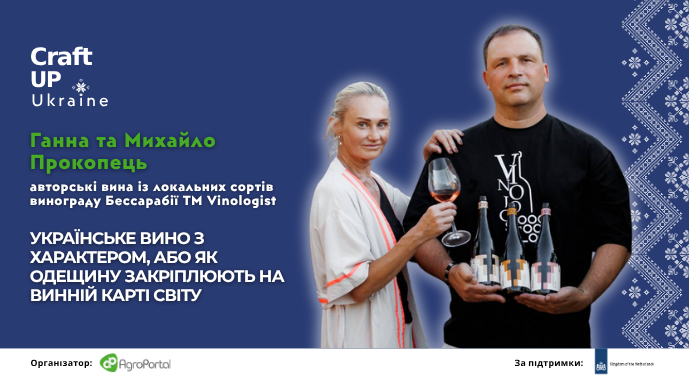
Ukrainian Wine with Character, or How Odesa Region Is Securing Its Place on the World Wine Map
 27 August 2026, 06:113455
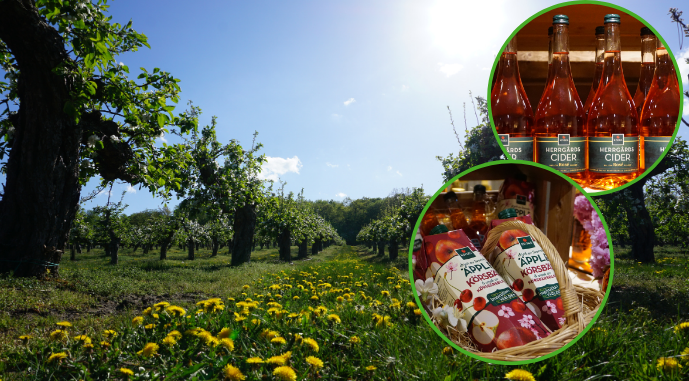
Kiviks Musteri: How a Family Apple Orchard Became One of Sweden’s Best-Known Brands
 25 August 2026, 05:485449
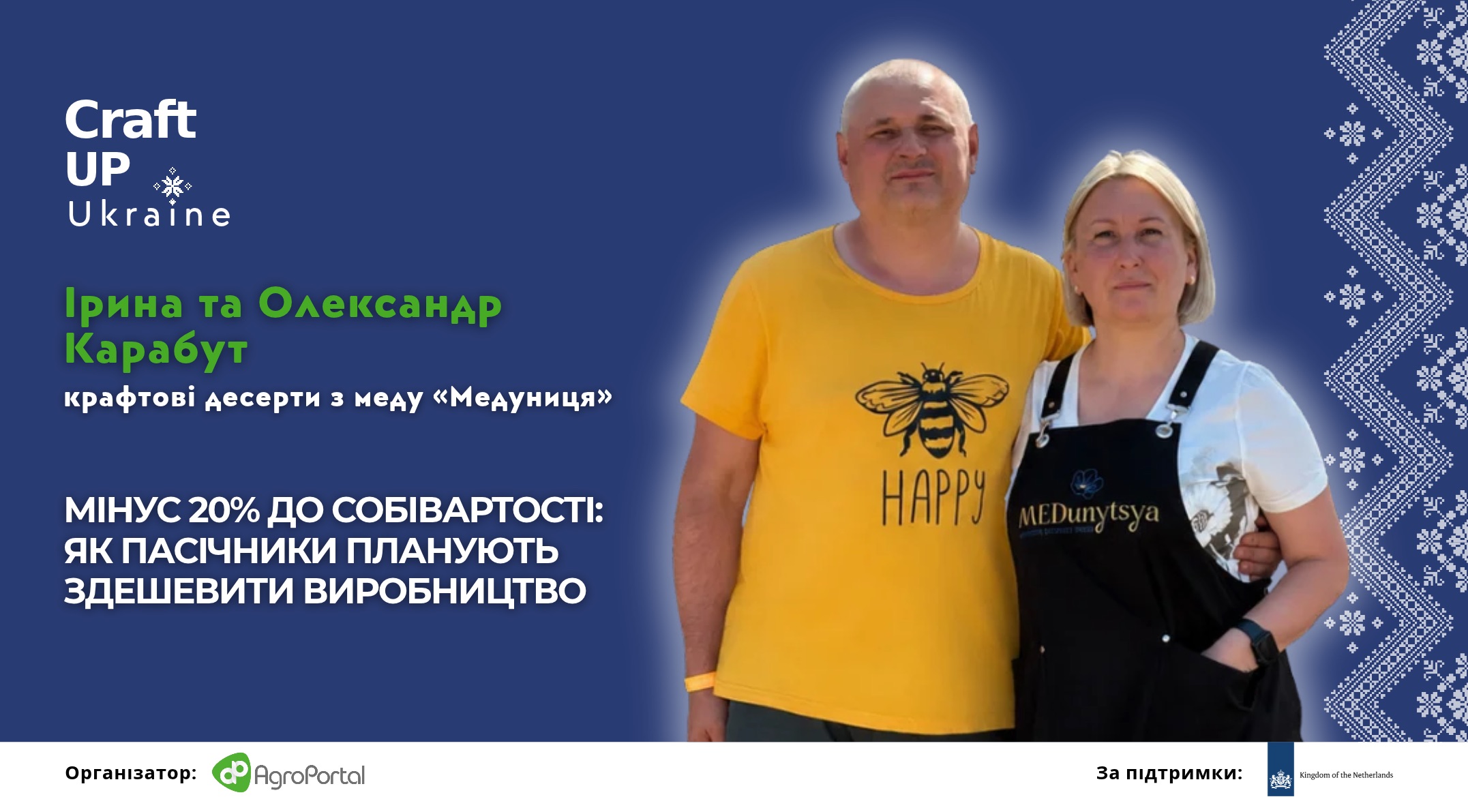
20% Reduction in Production Costs: How Beekeepers Plan to Make Production Cheaper
- 12 August 2026, 06:22 12848
 Production of Ukraine’s Only Ice Cream Made from Fresh Milk Increased by 20%. What Makes It Special?
The story of natural ice cream under the FUNNY BEAR brand (Vinnytsia) began in 2006, when the founder of the production, Viktoriia Lukashova, went to Germany for an internship. It was there that she realised that the future belonged to natural products.
- 01 August 2026, 06:44 3447
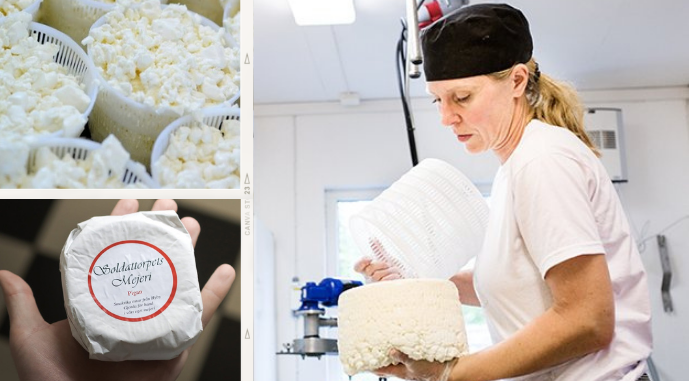 Unique Handmade Cheeses: How a Swedish Artisan Cheesery Combines Economic and Environmental Sustainability
A passion for natural food and deep respect for raw ingredients are the guiding principles behind Soldattorpets Mejeri, an artisan cheesery in Sweden. The farm operates according to the principles of sustainable production. According to its owners, this approach successfully combines economic and environmental sustainability: the business must remain financially viable while working in harmony with nature.
- 01 July 2026, 05:54 3299
 Sustainable Farming: Technologies, Profitability, Innovation. A training course is now available for farmers
The course «Sustainable Farming: Technologies, Profitability, Innovation» has been developed as a free, open-access online programme consisting of 7 modules and 24 lectures. Each module includes learning materials and tests to assess knowledge acquisition. A distinctive feature of the course is its combination of theoretical foundations with practical case studies, visual materials, and real-life examples from Ukraine, the United Kingdom, and Switzerland.
- 13 May 2026, 06:38 7195
 Ukraine launches a program for employment of specialists aged 50+
Agroholding Astarta-Kyiv and the State Employment Service announce the recruitment of 50+ participants for the Adult Trainee Week project. This is an opportunity for those who want to return to active professional activity.
- 09 May 2026, 06:18 4521
 Honey is in question: еxpensive fuel and curfews make season difficult for nomadic apiaries
The past season was not easy for Zaporizhzhia beekeepers — due to weather conditions, honey harvests were much weaker than usual. Accordingly, the price of honey was quite high due to its shortage.
- 30 March 2026, 06:40 3818
 Diesel for farmers: how not to lose money on wholesale purchases in 2026
In 2026, Ukraine's agricultural sector has become even more technologically advanced and demanding. Modern machinery operating in Ukrainian fields is no longer just mechanisms, but complex computerized systems. However, just like ten years ago, diesel remains the main fuel (literally and figuratively) for agribusiness. But today, the cost of a mistake when choosing a supplier has increased significantly.