
The Agricultural Sector on the Path to the EU: Practical Steps for Adaptation in Livestock Farming
Ukraine In The EU Is Not A Zero-Sum Game But A Guarantee Of Global Food Security
05 July 2026, 08:00 4913

The future of European and Ukrainian agriculture is not a confrontation between Ukraine and the EU, but a partnership aimed at building a stronger and more resilient agricultural sector.
This was stated by Alex Lissitsa, President of the Ukrainian Agribusiness Club (UCAB), during a panel discussion at the Ukraine Recovery Conference 2026.
He noted that today Ukrainian agribusiness operates under unique and extremely challenging conditions. Farmers have to adapt to new threats, develop anti-drone protection for machinery and grain elevators, and invest in the safety of infrastructure and people’s lives.However, despite the war, Ukraine continues to produce, export, and maintain leading positions in global markets, ensuring food security for millions of people worldwide.
Alex Lissitsa emphasized that the Ukrainian agricultural sector still has to challenge widespread myths in Europe that it consists solely of large agricultural holdings allegedly seeking to flood the European market with cheap products.In reality, Ukrainian agriculture is highly diverse: alongside large enterprises, millions of household farms and thousands of small and medium-sized farms are operating.In addition, due to rising logistics costs, local processing facilities, bakeries, and other production businesses are actively developing in the regions, creating new supply chains for quality products for the domestic market.
«Today, European integration is a strategic goal with no alternative for Ukraine’s agricultural sector, the state, and the economy. However, we are moving toward the European Union not as competitors, but as strategic partners. Ukraine’s accession to the EU is not a zero-sum game, but an opportunity to make Europe stronger in global markets and jointly guarantee global food security.At the same time, Ukraine is not asking for concessions or special treatment. Farmers are ready to meet all European requirements, but they need a transparent and predictable path to membership and a clear roadmap,» Alex Lissitsa summarized.

 02 October 2026, 07:20528
Shifting Trade Flows: What Opportunities Are Available to Ukrainian Producers?
 18 September 2026, 07:201226
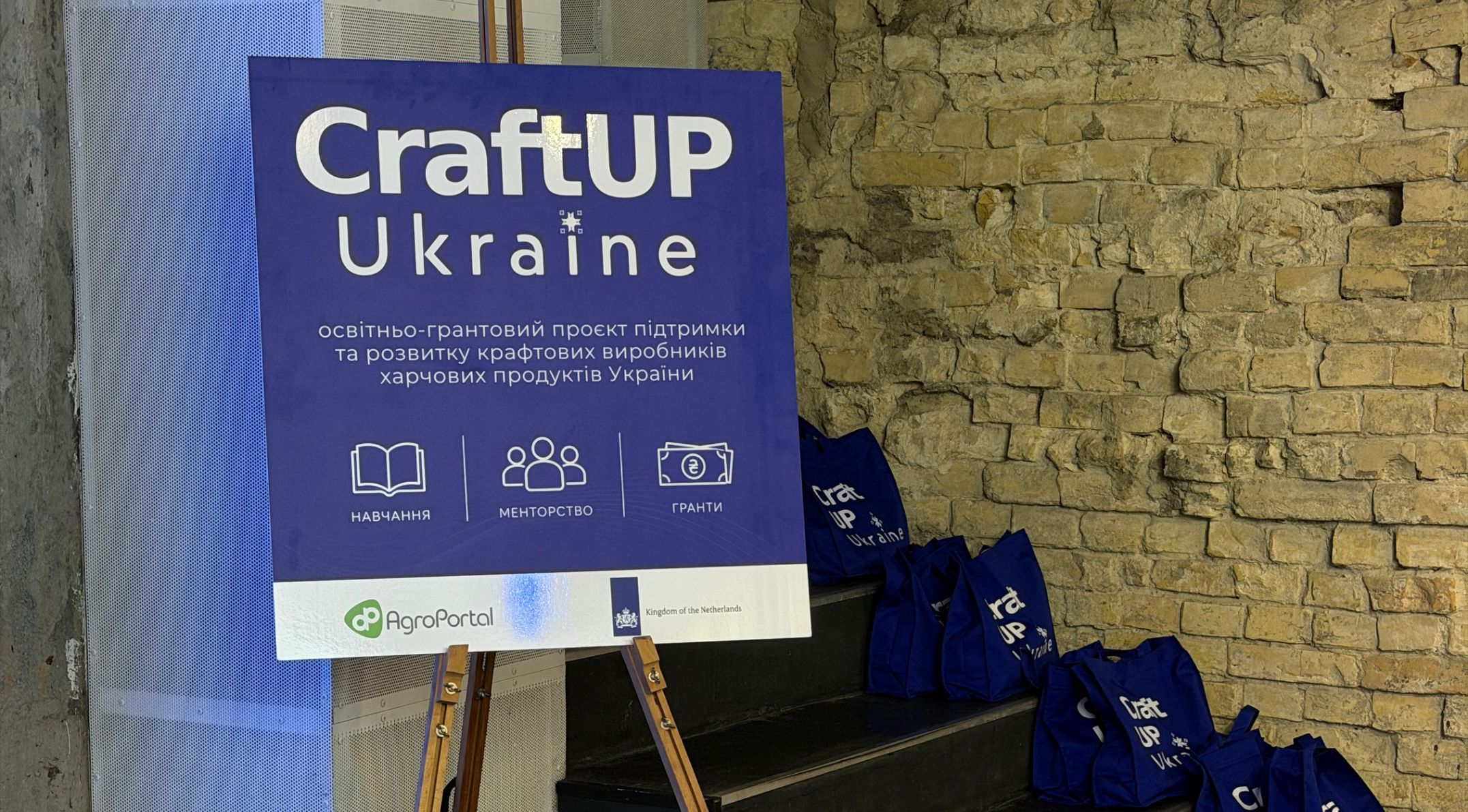
CraftUP Ukraine: Finalists Presented Their Business Projects and Received Grants
 03 August 2026, 07:201678
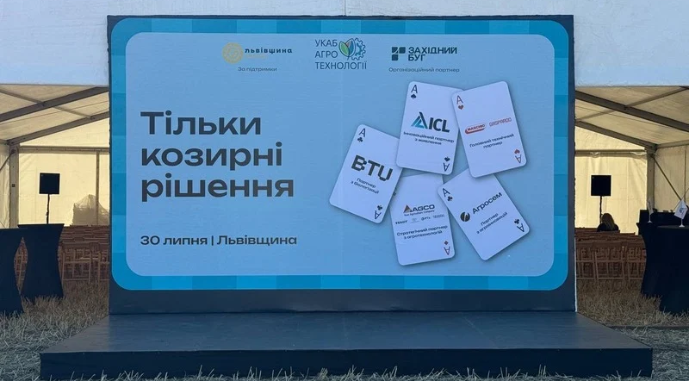
UCAB Agrotechnologies 2026. West: All Winning Solutions in One Field
- 01 October 2026, 19:00 744
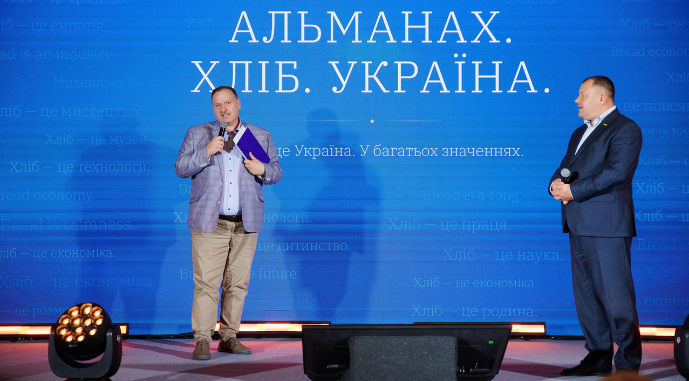 Bilingual Informational and Historical Art Book About Ukrainian Bread Published in Ukraine
After several years of work, Bread. Ukraine. Almanac has been published in Ukraine — a unique bilingual informational and historical art book about Ukrainian bread, its past, present and future. The publication presents bread as an everyday part of Ukrainians’ lives, an element of culture and tradition, a product of a major industry, a subject of artistic reflection and a witness to historical events.
- 01 October 2026, 11:12 931
 Ukraine Meets Conditions for Opening Three Agricultural Chapters in EU Accession Talks
Ukraine has fulfilled all the requirements for opening the agricultural chapters within the fifth cluster of negotiations on accession to the European Union and is currently awaiting a political decision.
- 29 September 2026, 08:00 974
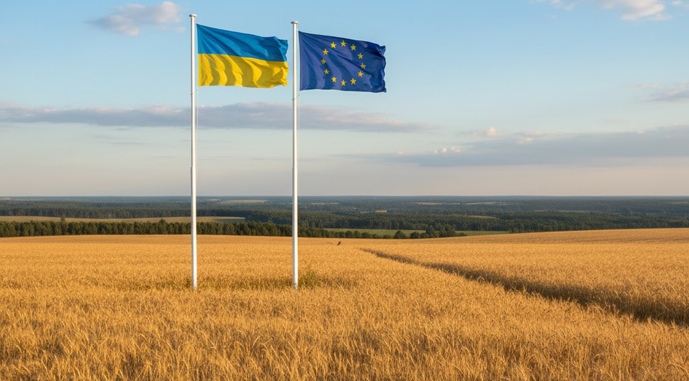 EU Agricultural Sector Risks Becoming Confined to Domestic Market Without Ukraine’s Potential
Ukraine can help the European Union move from responding to food crises around the world to finding ways to resolve them.
- 28 September 2026, 11:09 954
 Ukraine Calls on FAO to Hold Extraordinary Session to Assess Impact of Black Sea Blockade
Ukraine has called on the Food and Agriculture Organization of the United Nations (FAO) to hold an extraordinary session to assess the impact of the halt in Black Sea exports on global food security.
- 28 September 2026, 09:24 2499
 Optimistic Timeline for Ukraine’s EU Accession Announced
2032 is a realistic timeframe for Ukraine to join the European Union.
- 15 September 2026, 06:04 2696
 Operational Survival Mode: Do Farmers Have a Plan B?
The resilience of Ukraine’s agricultural sector has become an example for European partners, as it is based on unprecedented adaptability to change and flexibility in decision-making.