
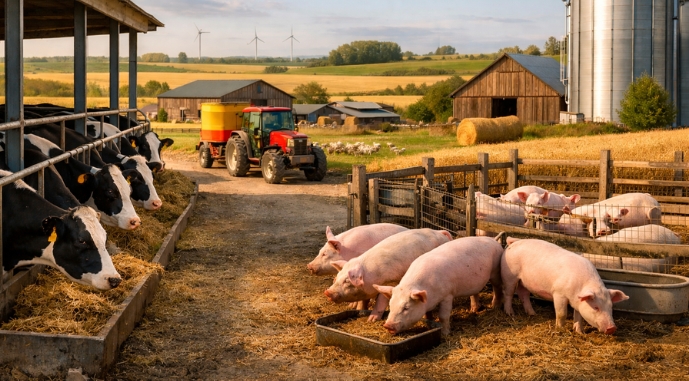
Розвиток тваринництва України до 2033 року: які заходи закладені у держпрограмі
Veterinary Medicinal Products Market: What Will Change for Business from July 1
10 July 2026, 07:00 1463
 Hanna Petkun
 Ukraine is moving along the path of European integration by harmonizing its legislation with EU rules. For the veterinary medicinal products market, this should mean modern regulation, predictable rules and favorable conditions for attracting investment and introducing innovation. However, certain provisions of the new legislation may have the opposite effect, creating additional regulatory barriers for international manufacturers and complicating access to high-quality veterinary medicinal products on the Ukrainian market.
The greatest concern for European businesses is caused by two requirements that will come into force on July 1, 2027: GMP inspections of foreign manufacturing sites by the Ukrainian inspectorate and mandatory full laboratory control of each batch of a veterinary medicinal product before it is released for circulation in Ukraine. For manufacturers, this means potential delays in product supply, duplication of control procedures that have already been carried out, and increased regulatory uncertainty.
At the same time, the consequences of these decisions will affect not only manufacturers. They may influence the availability of modern veterinary medicinal products and the speed at which new products are brought to market. Ultimately, this will matter for the entire chain — from distributors and veterinary practitioners to farmers, livestock producers and poultry producers.
GMP Inspections: Is the System Ready for New Powers?
By July 1, 2027, foreign manufacturers of veterinary medicinal products must undergo inspection by the Ukrainian GMP inspectorate. The purpose of this mechanism is to confirm that production complies with Good Manufacturing Practice requirements.
However, it is important to take into account that the vast majority of European manufacturing sites have been operating for many years under the continuous supervision of the competent authorities of EU member states. These companies regularly undergo inspections, manufacture products in accordance with the highest international standards, and supply their products to the markets of dozens of countries around the world.
The scale of future GMP inspections deserves particular attention. International manufacturers usually do not have just one manufacturing site, but an extensive network of plants in different countries. Moreover, the production of a single veterinary medicinal product may be distributed among several enterprises. Accordingly, to ensure access of such products to the Ukrainian market, a significant number of inspections may be required at different manufacturing facilities around the world.
Against this background, the question of whether the Ukrainian system is ready to perform these new functions becomes especially acute. The institution of veterinary GMP inspections in Ukraine is, in fact, still at the stage of formation. Effective implementation of the new requirements will require trained inspectors, substantial practical experience, modern audit methodologies and sufficient resources to inspect manufacturing sites in different countries around the world.
In the absence of proper institutional capacity, there is a risk that the new mechanism will become not a tool for improving quality, but an additional administrative barrier to the access of veterinary medicinal products to the Ukrainian market.
Batch Release: Duplication of Control Without Added Value
The second major challenge is the introduction of mandatory control of each batch of a veterinary medicinal product before it is placed on the Ukrainian market.
Starting from July 2027, each batch of a veterinary medicinal product will have to undergo full qualitative and quantitative analysis in accredited Ukrainian laboratories. In practice, this means repeated testing of products that have already passed all necessary control procedures in European Union laboratories operating in accordance with GMP requirements, using validated analytical methods and strict quality control systems.Each batch of product is tested before being released to the market, and responsibility for compliance with the approved requirements lies with a qualified person. Under such conditions, conducting a full laboratory analysis again in Ukraine appears to duplicate procedures that have already been completed.
At the same time, the implementation of such a model requires significant resources. Its operation requires modern laboratories, specialized equipment, highly qualified specialists, a continuous supply of reagents, reference standards and testing methods. As of today, the question remains open as to whether the system has the necessary capacity to analyze all batches of veterinary medicinal products entering the Ukrainian market.
If laboratories become overloaded or delays occur in testing, this may slow down the supply of veterinary medicinal products and complicate access to products for end consumers.
Risks for Farmers and the Industry
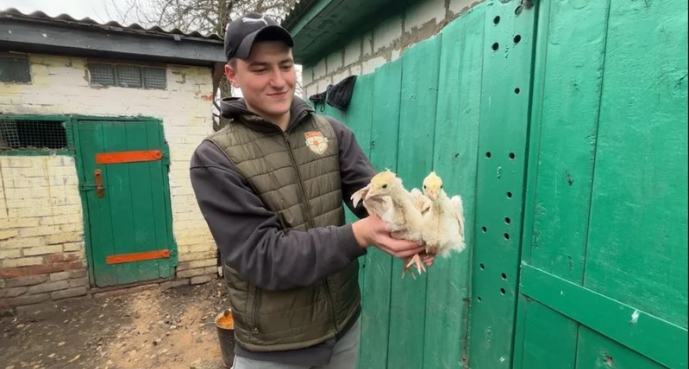
The greatest impact of the new regulatory mechanisms will be felt not by manufacturers, but by Ukrainian farmers and veterinary practitioners.
Any additional inspections, laboratory tests and administrative procedures increase the cost of product supply. Ultimately, these costs are inevitably included in the price of veterinary medicinal products. For livestock farms, this means higher production costs and additional financial pressure.
An equally important risk is the potential reduction in the range of veterinary medicinal products available on the market. If excessive regulatory barriers are introduced, some international companies may reconsider the feasibility of launching certain products in Ukraine. Such changes may be particularly sensitive for the segments of vaccines, biological products and innovative animal treatment solutions. For farmers, this would mean less choice, longer delivery times and the risk of shortages of certain products during critical periods.
Undoubtedly, the safety of veterinary medicinal products must remain one of the key priorities of state policy. However, effective regulation should be based not only on strengthening control, but also on assessing its practical feasibility, resource provision and impact on the market.
Today, it is important to ensure that the new mechanisms do not duplicate existing quality control procedures and do not turn into additional barriers to access to modern veterinary medicinal products.
In the context of European integration, the key task should remain the creation of a system that simultaneously guarantees product safety, promotes competition and ensures timely access for Ukrainian farmers to high-quality veterinary medicinal products.
Ukraine has already taken an important step towards harmonizing its legislation on veterinary medicinal products with European Union law. The next step should be the implementation not only of individual requirements but also of the regulatory approaches on which the European system of official control is based.
In particular, it would be advisable to provide for the recognition of GMP certificates issued by the competent authorities of EU Member States and other countries with stringent regulatory systems, as well as the recognition of batch control results obtained in accordance with European requirements.
Such an approach would be fully consistent with Ukraine’s European integration objectives and would contribute to the establishment of a modern, efficient and predictable regulatory framework.
Hanna Petkun, Manager of the Veterinary Medicinal Products Manufacturers Committee, European Business Association

The author's opinion may not coincide with the editorial opinion. The author is responsible for the quotes, facts and figures given in the text.