
News
- 07 September 2026, 13:50 1924
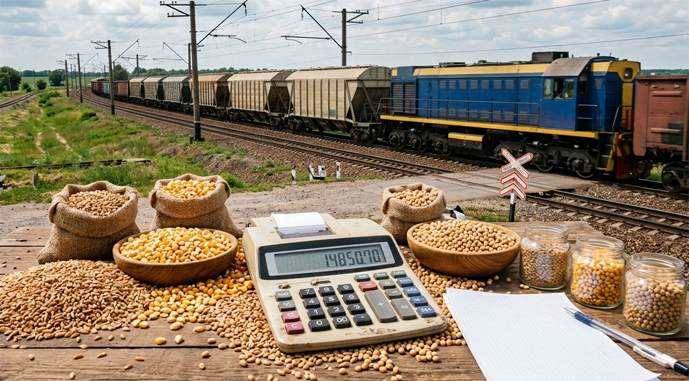 Ukrzaliznytsia Estimates Grain Export Potential via Moldova at 4.5 Million Tonnes per Year
Ukrzaliznytsia considers an estimate of the potential throughput capacity of the rail route through Moldova for grain exports at 4.5 million tonnes per year to be realistic. At the same time, the company sees opportunities to further increase transportation volumes along this route.
- 07 September 2026, 11:13 1651
 Ukraine Exports 1.8 Million Tonnes of New-Crop Wheat
As of September 4, exports of grains and pulses from Ukraine in the 2026/27 marketing year amounted to 3.9 million tonnes, which is 14% less than in the previous season.
- 06 September 2026, 13:20 2266
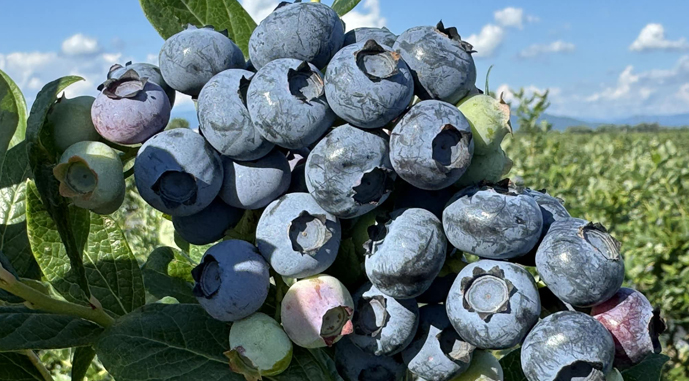 Ukraine Ranks Among the World’s Top 10 Countries by Blueberry Area
Ukraine ranks 10th in the world and first in Eastern Europe by the area of blueberry plantings. At the same time, in terms of yield, Ukrainian producers lag significantly behind the global level and their main competitors.
- 05 September 2026, 12:00 1653
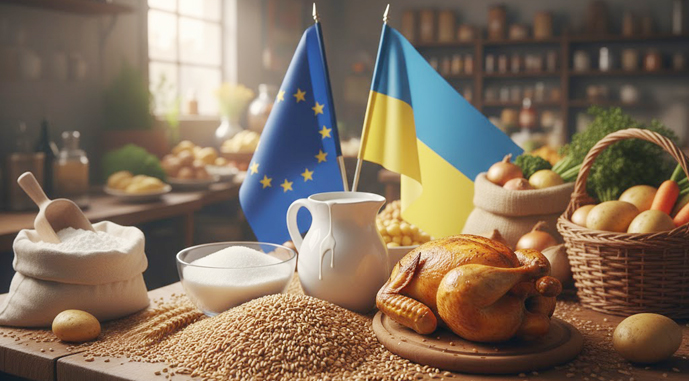 Ukraine Among the Top 10 Largest Buyers of European Agricultural Products
In January–June 2026, the European Union exported €2.32 billion worth of agricultural products to Ukraine. This is €247 million, or 12%, more than in the same period of 2025.
- 04 September 2026, 08:41 1296
 Another 3,500 Hectares of Agricultural Land Cleared of Mines at State Expense
In August, mine action operators cleared 3,555 hectares of agricultural land under the Humanitarian Demining budget programme.
- 03 September 2026, 15:31 2642
 Ukraine Has a Chance to Lead Global Frozen Raspberry Exports in the 2026/27 Season
Ukraine has been the world leader in net exports of frozen raspberries since 2024 and may continue this trend in the 2026/27 marketing year.
- 03 September 2026, 10:31 1721
 Zelenskyy Promises Support for Retailers Affected by russian Strikes
The government will soon expand support programmes for retail chains affected by russian attacks.
- 03 September 2026, 08:37 1658
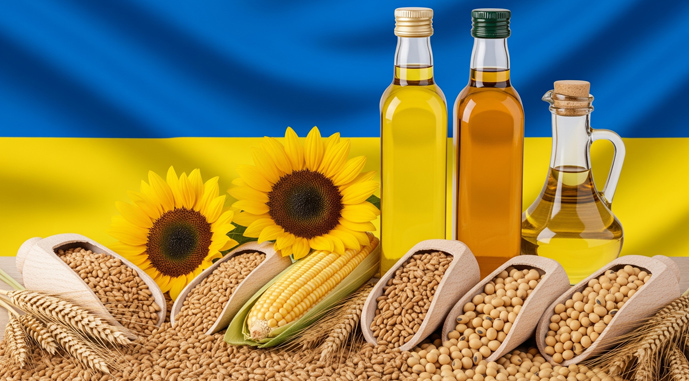 Ukraine’s Agricultural Exports Fall by 40%: Corn and Barley Lead the Decline
Exports of the main groups of agri-food products from Ukraine amounted to around 2.15 million tonnes, which is 41.5% less than in July, when 3.67 million tonnes were exported.
- 02 September 2026, 17:25 5947
 Larger Honey Harvest in Ukraine Triggers Price Decline
This year’s honey harvest in Ukraine has generally been quite good, but expectations of a high harvest have already led to a decline in purchase prices for honey.
- 02 September 2026, 15:25 2183
 Apple Prices Decline in Ukraine
In Ukraine, growers are lowering their selling prices for apples due to restrained demand and an increase in the supply of autumn varieties.
- 02 September 2026, 09:25 1726
 russian Attacks on Vessels and Grain Theft: Ukraine Raises the Issue at the UN
russia is systematically attacking Ukraine’s agricultural and port infrastructure, civilian vessels and maritime routes in an attempt to undermine Ukraine’s export potential.
- 01 September 2026, 12:00 1142
 Eased Inspections Proposed in EU Ports for Vessels Carrying Ukrainian Grain
Europe should establish a special Port State Control regime for vessels carrying agricultural products from Ukraine.
- 01 September 2026, 08:44 1327
 Area of Organic Farmland in Ukraine Increased by 69,000 Hectares
In 2025, the number of organic operators and the area of land used for organic agriculture increased in Ukraine.
- 31 August 2026, 14:43 1504
 AgroFoodSummit: Turning Challenges into New Contracts and Opportunities
Over the past few weeks, the situation on the global grain market has deteriorated sharply. Due to attacks on port and shipping infrastructure, buyers have begun looking for alternatives to Black Sea wheat. Cargoes are being delayed and cancelled, while wheat futures are rising.
- 31 August 2026, 08:42 1444
 Business Calls on Parliament to Temporarily Abolish Export Duties on Soybeans and Rapeseed
The European Business Association (EBA) has appealed to the Verkhovna Rada of Ukraine to support Draft Law No. 15522, which provides for the introduction of a temporary moratorium on the application of export duties on seeds of certain types of oilseeds.
- 30 August 2026, 08:46 3656
 Poultry Meat and Egg Prices to Rise by 10–15% Due to Logistics Restructuring
Egg prices have almost doubled in recent weeks, while logistics restructuring may continue to put upward pressure on their cost.
- 29 August 2026, 15:23 2671
 New Exhibition Area for the Dairy Industry to Be Presented at EuroTier
A new feature at EuroTier 2026 will be a dedicated exhibition area for the dairy industry, showcasing innovations and solutions across the entire dairy value chain — EuroTier Milky Way.
- 29 August 2026, 09:36 2948
 Around 60% of Ukrainian Cheese Exports Are Purchased by Two Countries
Moldova and Kazakhstan remain the two largest markets for Ukrainian cheese: in January–July 2026, they accounted for 34.8% and 25.8% of Ukrainian exports, respectively.
- 28 August 2026, 10:25 1852
 Ukrainian Berry Producers Increase Exports to the EU and US
Ukrainian berry farms are redirecting part of their production to foreign markets due to declining domestic consumption. The European Union remains the main destination, while producers have also been expanding their presence in the US in recent years.
- 28 August 2026, 08:47 1376
 Ukraine Prepares to Return to Japan’s Poultry Meat Market
The Ministry of Agriculture, Forestry and Fisheries of Japan (MAFF) conducted an online audit of Ukraine’s control system and poultry production facilities last week.