
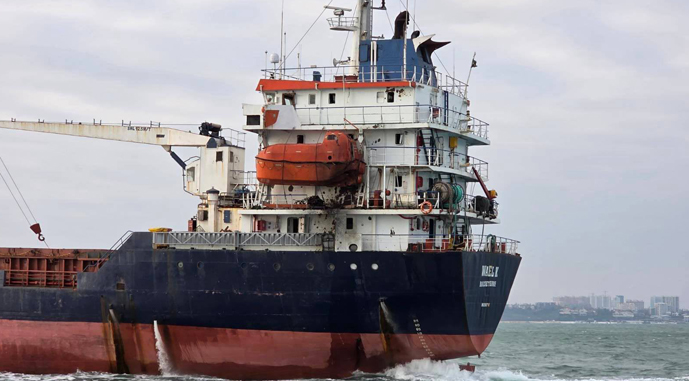
During the War, russia Attacked 260 Merchant Vessels Heading to Ukraine
Eased Inspections Proposed in EU Ports for Vessels Carrying Ukrainian Grain
01 September 2026, 12:00 1101

Europe should establish a special Port State Control regime for vessels carrying agricultural products from Ukraine.
This proposal was put forward by Kostiantyn Sobol, founder of Marelis Navigation S.A., USM reports.
According to him, an increasing number of shipowners are refusing to send their fleets to Ukrainian ports because of wartime risks. In many cases, crews themselves are also unwilling to agree to such voyages.
At the same time, there is still a segment of the fleet on the market, predominantly older vessels, whose owners are prepared to operate on routes to Ukraine. However, some of these vessels face another problem — an increased risk of Port State Control (PSC) inspections in European ports.
According to Sobol, certain flags or classification societies may result in an unfavourable risk profile for a vessel. In such a case, after a voyage from a Ukrainian port, the shipowner may face an expanded inspection, detention of the vessel, additional costs and delays at the port of discharge.
As a result, the expert notes, a situation arises in which a vessel is prepared to accept wartime risks and enter a Ukrainian port, but the owner refuses the voyage because of potential regulatory and commercial risks later in the EU.
Sobol believes that the European Commission, EMSA, the Paris MoU and the IMO, together with Ukraine, could consider establishing a temporary special regime for vessels carrying Ukrainian agricultural products. At the same time, he stressed that this would not mean lowering safety standards — the requirements of SOLAS, MARPOL, STCW, MLC and other basic regulations should remain in force.
Under his proposal, vessels departing directly from Ukrainian deep-water ports could undergo an enhanced independent inspection of their technical condition. In particular, this would cover the condition of the hull, main engine, steering system, fire protection systems, life-saving equipment, navigation, environmental safety, documentation and crew qualifications.
After successfully passing such an inspection, a vessel could be granted the right to undergo a special temporary PSC procedure at the first port of discharge in the EU.
Sobol stressed that this should not mean exemption from inspections or allowing technically unsafe vessels to enter European ports.
In his view, the mechanism could operate for 6–12 months and apply only to vessels carrying Ukrainian agricultural products directly from Ukrainian ports to EU countries.
According to him, such an approach could increase the available tonnage for Ukrainian exports, support farmers and exporters, and help preserve Ukraine’s maritime links with European and global markets.

 14 October 2026, 07:20614
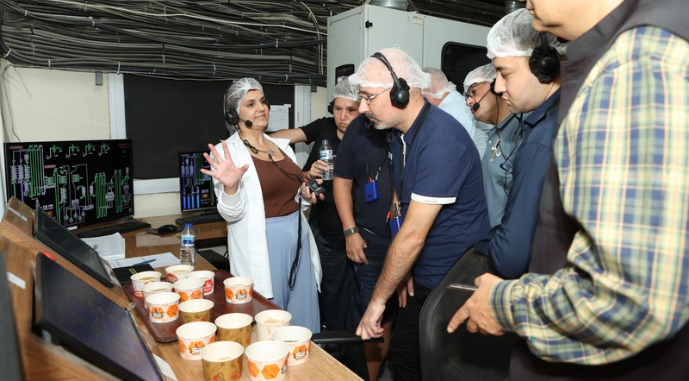
Chickpea and Lentil Paste: How One of the World's Largest Legume Processing Plants Operates
 02 October 2026, 07:201386
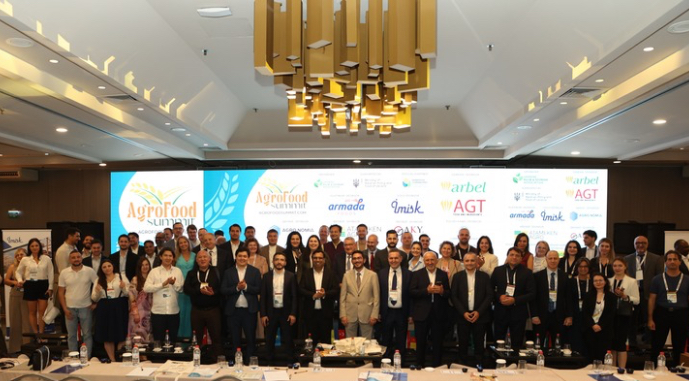
Shifting Trade Flows: What Opportunities Are Available to Ukrainian Producers?
 18 September 2026, 07:201611
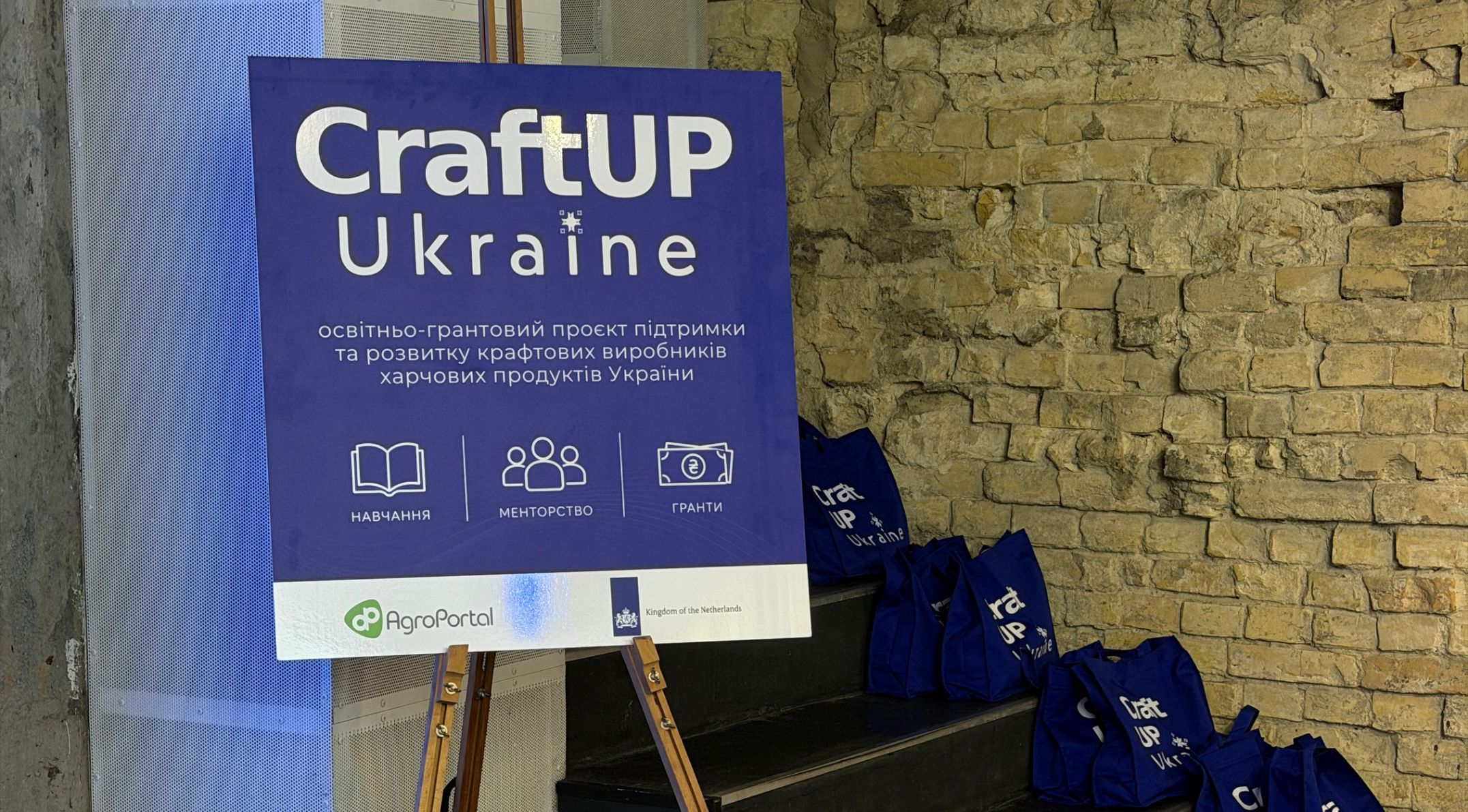
CraftUP Ukraine: Finalists Presented Their Business Projects and Received Grants
- 12 October 2026, 14:27 994
 Port Blockade to Cost Ukraine Around 2% of GDP
Dragon Capital forecasts two years of decline in Ukraine’s gross domestic product (GDP).