
News
- 15 October 2026, 13:21 1454
 Ukrainian Biotechnology Developer Honoured with Women in Ag Award
Valentyna Bolokhovska, co-founder of the Ukrainian company BTU, took third place in the Agribusiness category of the international Women in Ag Award 2026. The award recognises women for their contribution to the development of agriculture, agribusiness, education and agricultural technologies.
- 15 October 2026, 08:00 874
 Less Flour, More Groats: How Exports of Grain Processing Products Have Changed
Exports of grain processing products from Ukraine in the first three months of the 2026/27 marketing year amounted to 120.1 thousand tonnes, which is 9.2% lower than in the same period of the previous season.
- 14 October 2026, 15:18 1419
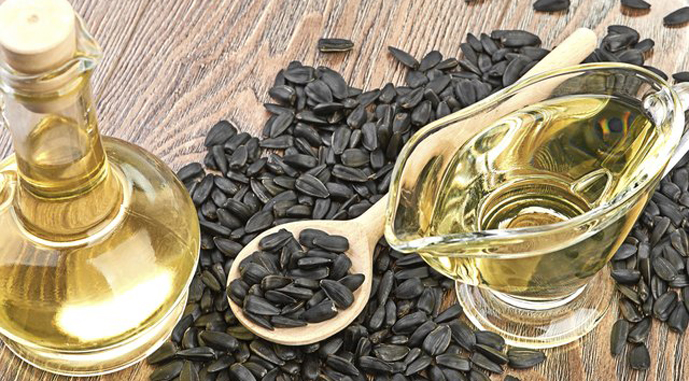 Kazakhstan Plans to Become World’s Fourth-Largest Sunflower Oil Exporter
Kazakhstan currently has 5.4 million tonnes of oilseed processing capacity, while new plants continue to be commissioned and existing facilities are being expanded. By 2029, oilseed processing capacity is expected to reach approximately 9 million tonnes.
- 14 October 2026, 12:00 945
 European Commissioner: Ukraine to Join EU Agricultural Policy Under a Special Model
Ukraine will be integrated into the European Union’s Common Agricultural Policy under a special model designed to protect European farmers while preserving opportunities for Ukrainian agricultural exports to traditional markets in Africa, Asia and the Middle East.
- 13 October 2026, 10:28 1195
 More Than 20 Thousand Hectares Demined with State Funding in Two Years
Mine action operators have cleared more than 20 thousand hectares over two years of work under the Humanitarian Demining programme.
- 13 October 2026, 08:00 1716
 Zelenskyy Warns of Risk of New Food Crisis
The blockade of sea routes could trigger an agricultural crisis and food shortages within two to three months in African countries, some Asian countries and the Middle East, where Ukraine exports millions of tonnes of food.
- 12 October 2026, 14:27 1316
 Port Blockade to Cost Ukraine Around 2% of GDP
Dragon Capital forecasts two years of decline in Ukraine’s gross domestic product (GDP).
- 12 October 2026, 12:41 1347
 Kazakhstan Expands Oilseed Production as Sunflower Area Rises by 130%
For the second consecutive year, farmers in Kazakhstan have been reducing the share of grain crops in their crop rotations and shifting towards oilseeds, which offer higher margins. Over the past five years, the share of oilseeds has increased from 14% to 22%.
- 12 October 2026, 08:00 3925
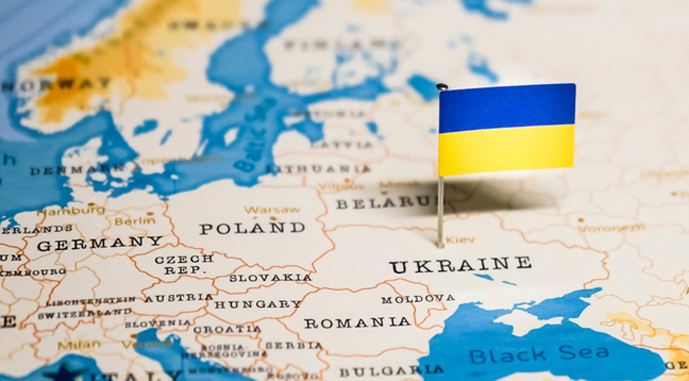 Ukrainian Agricultural Products Risk Losing Markets in Africa and Asia Due to EU Requirements
Ukraine could lose its competitive position in African and Asian markets if Ukrainian products become more expensive due to the introduction of stricter European Union requirements, while producers do not receive a corresponding price premium in foreign markets.
- 11 October 2026, 13:20 2478
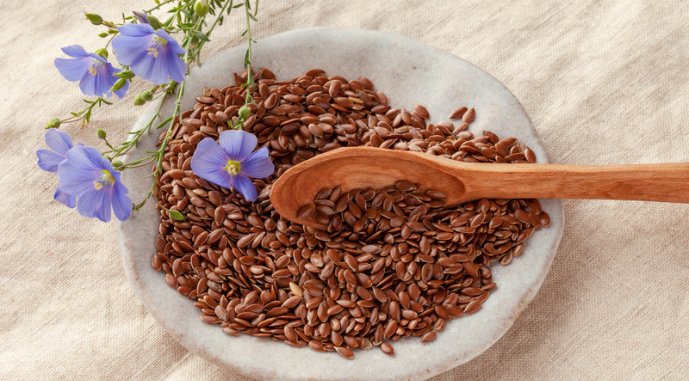 Global Flax Market Set for Change in Leadership
Kazakhstan could become the world’s largest producer of oilseed flax in the 2026/27 marketing year. At the same time, higher EU tariffs on russian flax are reshaping the structure of European imports in favour of Kazakhstan and other suppliers.
- 11 October 2026, 08:45 1764
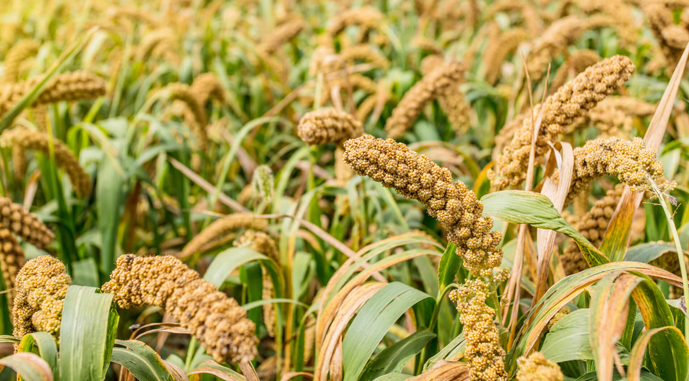 War Changes Geography of Millet Production in Ukraine
The traditional area for millet cultivation in Ukraine is the steppe regions. At the same time, under the influence of russia’s full-scale invasion of Ukraine, changes in production geography and climatic factors, the area of millet cultivation is gradually shifting and expanding, particularly towards the Forest-Steppe and Polissia regions.
- 10 October 2026, 15:25 1888
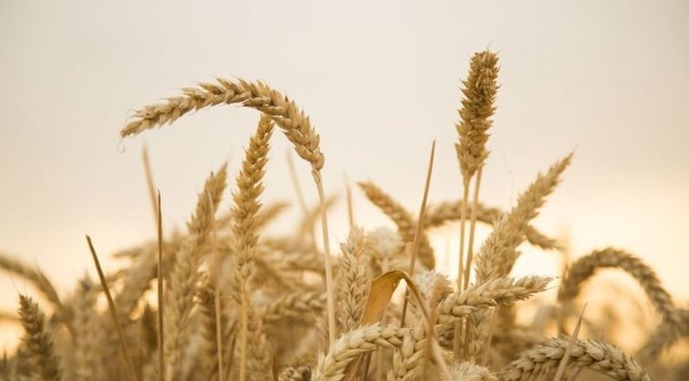 Demonstration Plot with 80 Wheat Varieties Established in Vinnytsia Region
Agrofirm Olhopil in Vinnytsia Region has completed the sowing of winter crops for the 2027 harvest. A total of 1,497 hectares was allocated to winter wheat and 155 hectares to winter barley. The farm also established a demonstration trial plot to test 82 wheat varieties of Ukrainian and foreign breeding.
- 10 October 2026, 09:30 10159
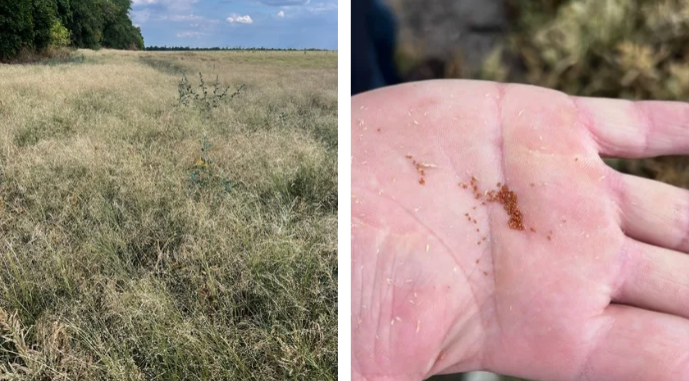 Rare Teff Grass Grown in Kyiv Region
Teff is generally not cultivated in Ukraine, although it is quite popular worldwide. It is used for food and as animal feed. However, Agrofirm Kolos LLC has been growing the crop for a long time and achieving good results.
- 09 October 2026, 16:54 2063
 Households Produce Around 80% of Ukraine’s Raspberries
Households with raspberry plantations covering 0.1–0.2 hectares account for 80% of raspberry production in Ukraine.
- 09 October 2026, 09:57 2473
 Global Market Adapts to Reduced Black Sea Wheat Supply
The Ukrainian wheat market is entering the 2026/27 marketing year with an unusual combination of strong production and weaker export capacity.
- 09 October 2026, 08:38 1432
 Trade with EU: 100% of Poultry Quota Allocated, Beef and Pork Quotas See No Demand
Significant changes were recorded in licensing quotas for poultry products and eggs as of 1 October 2026.
- 08 October 2026, 09:55 1219
 Dairy Trade: Imports Exceed Exports in Only Two Categories
In September, Ukraine increased its dairy trade to the highest level recorded in 2026, while the negative trade balance nearly halved.
- 08 October 2026, 08:00 1492
 Tractors and Combine Harvesters Account for Half of Machinery Market: Which Brands Farmers Choose
Tractors and combine harvesters remained the most popular categories of agricultural machinery among Ukrainian farmers in June–August 2026. They accounted for 28.9% and 25.9% of the market, respectively.
- 07 October 2026, 14:25 1069
 Business Calls for Preventing Transit of russian Grain via the Baltic
The European Business Association has called on the Ukrainian government to intensify diplomatic efforts with the Baltic countries and EU institutions to prevent an increase in exports of russian agricultural products through Baltic Sea ports.
- 07 October 2026, 08:40 1258
 Ukraine Shipped Twice as Much Wheat to MENA Countries as to the EU
Ukraine exported 3 million tonnes of agricultural products worth $1.6 billion in September 2026. Compared with August, volumes increased by 41% in physical terms and by 22% in value.