
Crop production
- 08 August 2026, 09:30 2770
 Expert Names the Main Crops Whose Cultivated Areas Have Declined Significantly During the War
Ukrainian farmers are reducing the areas sown with major cereal crops for several reasons. In particular, less barley has been planted due to weather conditions that caused crop losses. At the same time, the area under peas is increasing, although it remains 20 thousand hectares smaller than last year.
- 03 August 2026, 13:48 1645
 Grain Shipments Rerouted to Constanța Add $30–40/t to Logistics Costs
Exporting Ukrainian grain via alternative routes inevitably increases logistics costs. Freight rates at Danube ports have more than doubled over the past month and continue to rise.
- 02 August 2026, 08:44 2250
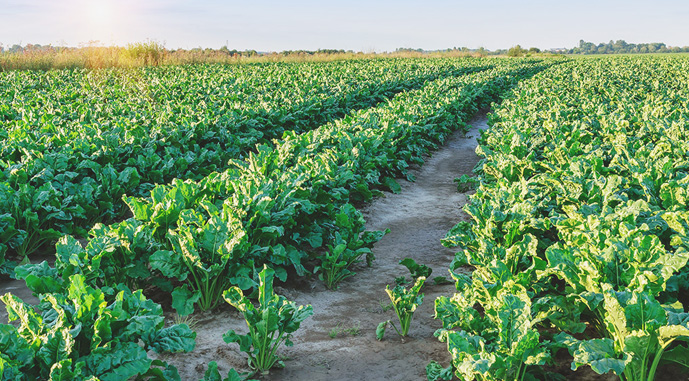 State Statistics Service Reports 2026 Sugar Beet Acreage
The State Statistics Service of Ukraine has released data on the area planted with sugar beet in 2026.
- 01 August 2026, 13:25 3514
 Table Grape Acreage Nearly Halved in Ukraine
Ukraine has 12,800 hectares of vineyards, but the total vineyard area has been declining in recent years.
- 30 July 2026, 13:24 3448
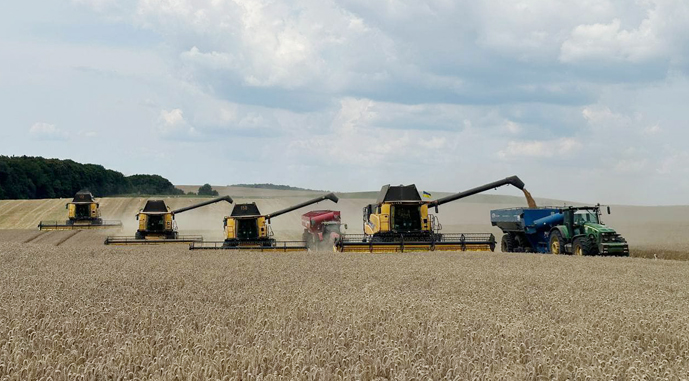 UGA Raises Ukraine’s 2026 Grain and Oilseed Harvest Forecast
The Ukrainian Grain Association (UGA) has raised its forecast for Ukraine’s 2026 grain and oilseed harvest to 84.6 million tonnes, up from the 83.6 million tonnes projected in June.
- 28 July 2026, 08:00 3177
 Demand for Ukrainian Wheat Remains Strong Despite Export Disruptions
International demand for Ukrainian wheat remains stable despite the effective suspension of grain exports through the ports of Greater Odesa due to intensified Russian attacks.
- 14 July 2026, 14:50 1064
 In the Carpathian region, an inspection of barley crops intended for export to China has been completedIn Ivano-Frankivsk Oblast, a phytosanitary inspection of barley crops has been completed; the harvest from these crops is scheduled to be exported to the People's Republic of China.
- 14 July 2026, 12:00 1302
 Artichoke varieties have been registered in Ukraine for the first time
Artichoke varieties have been included in the State Register of Plant Varieties Suitable for Distribution in Ukraine for the first time.
- 13 July 2026, 08:44 1214
 War Is Reshaping Crop Planting Patterns
The war has become a key driver behind changes in crop planting patterns.
- 08 July 2026, 11:16 1235
 Fields with Crops Burn in Kherson Region as Burned Area Already Exceeds Last Year’s Total
More than 5,000 hectares of grain crops have burned as a result of Russian attacks in the right-bank part of the Kherson region as of July 6, 2026.
- 08 July 2026, 08:00 2381
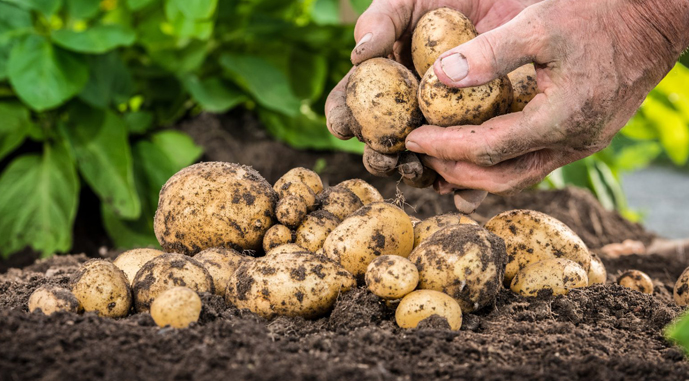 More Than 12 Million Ukrainians Grow Potatoes for Their Own Consumption
An estimated 12.4 million Ukrainians, including minors, grow potatoes for their own household consumption.
- 01 July 2026, 14:55 1626
 Grain stocks in Ukraine exceed last year’s level by 4 million tonnes
Stocks of cereals and legumes in Ukraine as of June 1, 2026, amounted to 9.5 million tonnes, which is nearly 4 million tonnes more than on the same date last year.
- 08 June 2026, 08:00 2322
 Ukraine to Increase Tomato Crop for Processing
Ukraine’s tomato production for processing is expected to reach 550 thousand tonnes this year, which is 17% higherthan the volume harvested in 2025.
- 01 June 2026, 11:12 3395
 Ukraine’s Grain and Oilseed Harvest Expected to Reach 83.6 Million Tonnes in 2026
The Ukrainian Grain Association (UGA) forecasts Ukraine’s 2026 grain and oilseed harvest at 83.6 million tonnes, compared to an estimated 80 million tonnes in 2025.
- 27 May 2026, 08:37 1544
 Ukraine sowed more corn than last year
The late spring crops sowing campaign is in its final stage, and the sowing rate is gradually decreasing.
- 24 May 2026, 11:59 2200
 Area Under Lavender Plantations in Ukraine May Reach 800 ha
Statistics on the area under lavender fields in Ukraine are not maintained, but experts believe they may reach 800 ha.
- 22 May 2026, 14:50 1886
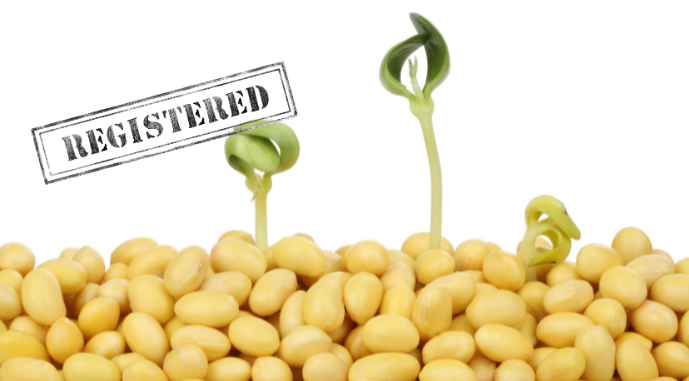 Ukraine to Allow Use of GMOs Subject to Registration
Ukraine is bringing its legislation closer to EU standards. All directives have been consolidated into one document, which has already been voted on and will enter into force in August 2026 — the Law «On State Regulation of Genetic Engineering Activities and State Control over the Placement on the Market of Genetically Modified Organisms and Products».
- 18 May 2026, 12:48 3668
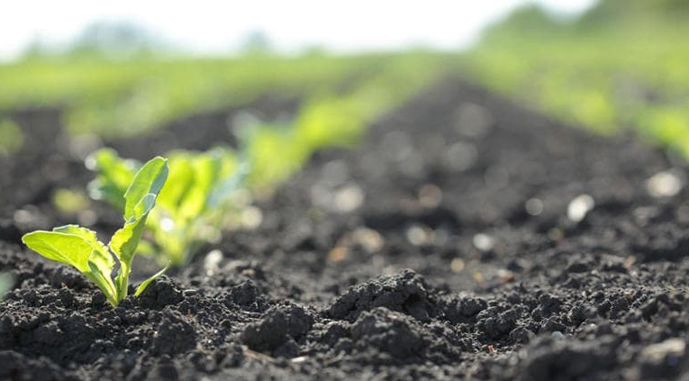 Sowing completed: Ukraine sets an anti-record for sugar beet area
Ukrainian agricultural producers have completed the sugar beet sowing campaign.
- 14 May 2026, 12:45 2745
 A New Garlic Variety Has Appeared in Ukraine
A new garlic variety, Ocheretynskyi Purple, which has been officially entered into the state register, is now being introduced into industrial production in Ukraine.
- 13 May 2026, 10:28 1224
 Sowing pace has accelerated, but is far from previous years
The favorable weather of the last week allowed us to intensify the sowing campaign, but there is still a significant lag compared to previous years.