
Grain exports
- 06 August 2026, 12:00 2459
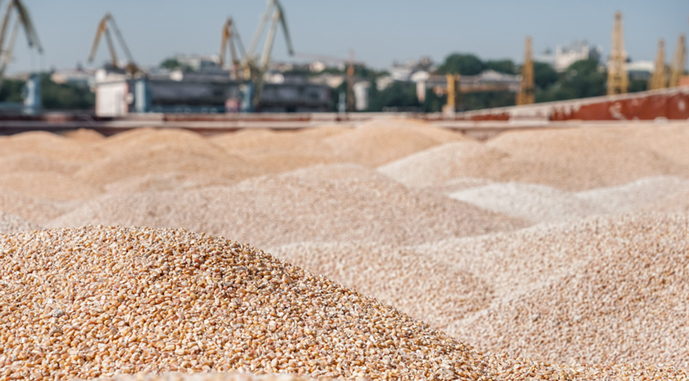 It Will Take a Month to Return to Previous Export Volumes After Port Operations Resume
Russian attacks on civilian vessels and port infrastructure have effectively halted traffic to the ports of Greater Odesa. Ukraine is expanding exports by rail, road and via the Danube. However, these routes will be able to provide only about half the capacity of the Black Sea ports. This poses a threat to exports of Ukraine’s harvest and the stability of global food markets.
- 05 August 2026, 09:47 1610
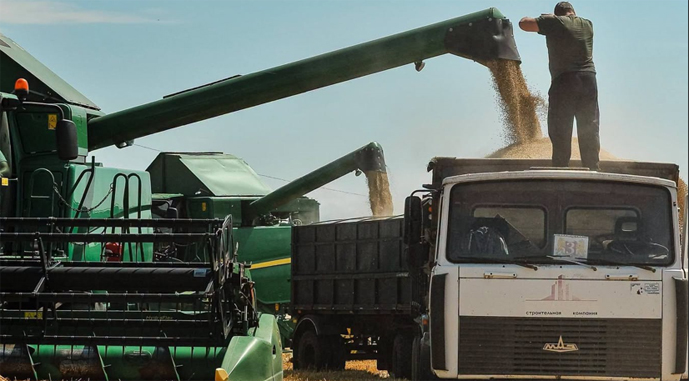 Agricultural Sector Losses from Export Disruptions Could Reach $1.5–3 Billion
Using alternative logistics routes will cost agricultural producers an additional €50–70 per tonne of products, while the total losses of Ukraine’s agricultural sector could amount to $1.5–3 billion. This is why the support of international partners is critically important both for Ukraine and for preserving global food security.
- 31 July 2026, 08:45 1609
 Port Blockade: Wheat Market Expected to Face the Most Severe Impact
The suspension of seaborne exports is expected to have the greatest impact on Ukraine’s wheat market.
- 30 July 2026, 13:24 3341
 UGA Raises Ukraine’s 2026 Grain and Oilseed Harvest Forecast
The Ukrainian Grain Association (UGA) has raised its forecast for Ukraine’s 2026 grain and oilseed harvest to 84.6 million tonnes, up from the 83.6 million tonnes projected in June.
- 30 July 2026, 11:08 1450
 Prime Minister Comments on the Situation at Ukraine’s Ports
The Ukrainian government, the diplomatic corps, and all relevant state institutions are working around the clock to restore the normal operation of the country’s ports.
- 29 July 2026, 08:00 1113
 Ukraine Takes Another Step Towards Exporting Milk Powder and Poultry Meat to Algeria
Ukraine has confirmed its readiness to receive an Algerian inspection mission as soon as possible and to provide all necessary conditions for the inspection of a milk powder production facility.
- 28 July 2026, 08:00 3150
 Demand for Ukrainian Wheat Remains Strong Despite Export Disruptions
International demand for Ukrainian wheat remains stable despite the effective suspension of grain exports through the ports of Greater Odesa due to intensified Russian attacks.
- 23 July 2026, 11:11 3595Farmers Advised to Hold Back Grain Sales During Temporary Suspension of Port Exports
Over the past several days, only four to five vessels have been calling at Ukraine’s Black Sea ports due to Russian attacks, and vessel traffic was suspended on 22 July. The Ukrainian government is currently working to resolve the situation and will take all possible measures to ensure the continued stability of exports through the Black Sea ports.
- 09 July 2026, 09:58 1228
 NIBULON Increases Grain Exports by One Third
NIBULON JV LLC strengthened its position in the international grain market during the 2025/26 marketing year.
- 30 June 2026, 08:00 1156
 Season Nearing the End: How Much Grain Ukraine Has Exported
The volume of grain and legume exports from Ukraine in the 2025/26 marketing year (ending on June 30) amounted to nearly 36.9 million tonnes as of June 26, which is 3.8 million tonnes, or 9% lessthan in the previous season.
- 04 June 2026, 14:26 975
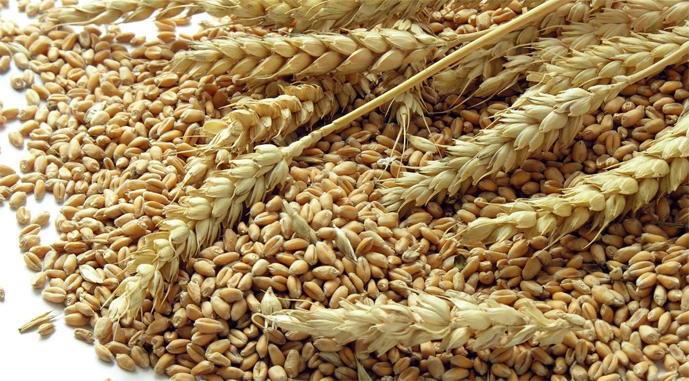 Ukraine Increases Its Share of Egypt’s Wheat Market
Ukraine is expanding its share of wheat supplies to Egypt amid a weakening dominance of Russia in the market.
- 04 June 2026, 07:01 3941
 Grain Market: Eight Factors That Will Influence Grain Prices Until 2030
The wheat and corn market is entering its most turbulent period in the past thirty years. Previous crises — the global food crisis of 2007–2008, supply disruptions in 2010 and the U.S. drought in 2012 — were largely driven by a single factor: a harvest shock, a spike in oil prices or a short-term financial panic. Today, the global grain market is being pressured simultaneously by at least eight structural factors.
- 01 June 2026, 11:12 3341
 Ukraine’s Grain and Oilseed Harvest Expected to Reach 83.6 Million Tonnes in 2026
The Ukrainian Grain Association (UGA) forecasts Ukraine’s 2026 grain and oilseed harvest at 83.6 million tonnes, compared to an estimated 80 million tonnes in 2025.
- 21 May 2026, 10:31 1207
 Grain Exports via Maritime Corridor Reach 117 Million Tonnes
More than 197 million tonnes of cargo have been transported through the Ukrainian maritime corridor since it began operating in 2023.
- 11 May 2026, 08:00 1709
 Top 5 countries where Ukraine plans to promote its agricultural products
Ukraine will work to increase supplies and promote higher value-added products, including poultry products, pork products, processed foods and other categories that generate more income within the country.
- 09 May 2026, 10:25 1948Ukraine increased corn exports by 1.5 times and wheat exports by 75% in April
In April of the 2025/26 MY, Ukraine exported almost 5.2 million tonnes of grains and oilseeds.
- 10 April 2026, 09:27 2631
 USDA downgrades forecast for wheat and barley exports from Ukraine
The U.S. Department of Agriculture (USDA) has lowered its forecast for grain exports from Ukraine in 2025/26 MY.
- 27 March 2026, 16:51 1542
 BLACK SEA GRAIN.KYIV: Strategy for the Future of Agribusiness
On April 22–23, Kyiv will host the BLACK SEA GRAIN.KYIV-2026 conference, with a key focus on UA Agro Restart: Strategies for the Future 2026–2030.