
Agreement with Türkiye: Tariffs on Some Ukrainian Agricultural Products Reach 225%
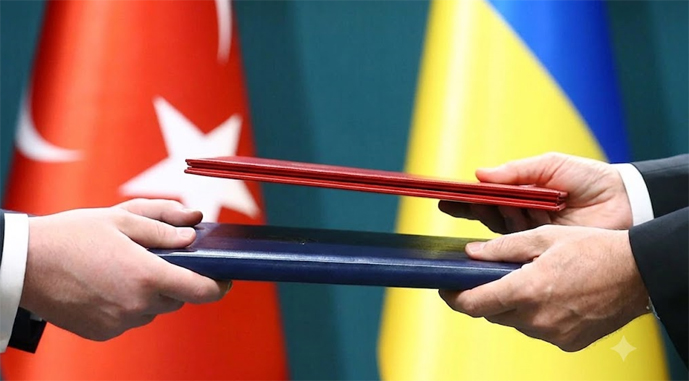
Джерело фото: згенеровано ШІ
The free trade agreement with Türkiye will cost Ukraine a 1.5% decline in GDP in the medium term.
This was reported by Dmytro Kysylevskyi, Deputy Chair of the Verkhovna Rada Committee on Economic Development.
He noted that the document ratified by the Verkhovna Rada is economically beneficial for Türkiye and economically disadvantageous for Ukraine.
«The light industry sector is at the greatest risk. In addition, the production of vehicles, cement, fertilizers, construction materials, elevators, electrical equipment, road equipment, household goods, and other products is also at risk,» the parliamentarian said, adding that he does not know a single Ukrainian manufacturer who would describe the agreement as beneficial.
Dmytro Kysylevskyi suggested that the agreement had been ratified in exchange for military and political support.
«For most goods, we are reducing tariffs to zero, while Türkiye is only slightly reducing import tariffs on most goods, while maintaining an incomparably higher level of tariff protection. For example, tariffs on Ukrainian agri-food processing products reach 38.5% for honey, 58.5% for fruit juices, 135% for sugar, 180% for milk and dairy products, and even 225% for pork and beef,» he clarified.
According to the parliamentarian, Türkiye has also retained the right to provide export subsidies for industrial goods.
«If there was absolutely no way to proceed without this agreement, then the government must adopt a package of compensatory measures to mitigate the economic damage — expand programmes providing partial compensation for the cost of Ukrainian machinery and equipment, finally introduce compensation for capex through taxes, parcels, and other mechanisms. This should be done immediately,» Kysylevskyi said.

 14 October 2026, 07:2061
Chickpea and Lentil Paste: How One of the World's Largest Legume Processing Plants Operates
 02 October 2026, 07:201281
Shifting Trade Flows: What Opportunities Are Available to Ukrainian Producers?
 18 September 2026, 07:201522
CraftUP Ukraine: Finalists Presented Their Business Projects and Received Grants
- 08 October 2026, 06:16 2014
 No Supplier Gap Will Remain: Importers Seek Alternatives to Pulses from the Black Sea Region
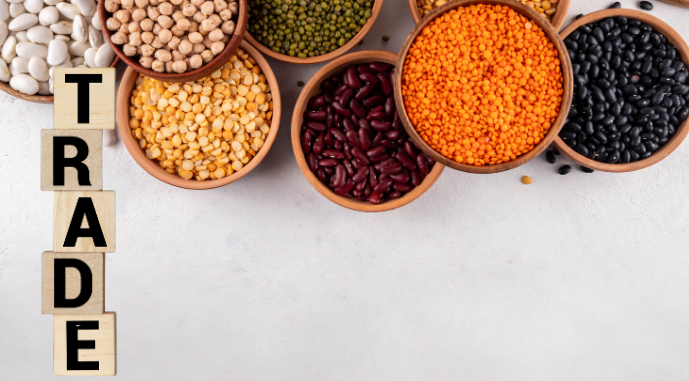
Among the world’s three most widely traded pulse crops — lentils, chickpeas and peas — Ukraine is a significant player only in the pea market. However, agricultural exports are currently facing difficulties, even though the volumes involved are relatively small: in the 2026/27 marketing year, Ukraine is expected to export 600 thousand tonnes of peas. The problem lies not only in blocked sea routes but also in constant attacks on infrastructure and vessels, meaning that restoring logistics to the required capacity will take considerable time.
- 07 October 2026, 08:40 1079
 Ukraine Shipped Twice as Much Wheat to MENA Countries as to the EU
Ukraine exported 3 million tonnes of agricultural products worth $1.6 billion in September 2026. Compared with August, volumes increased by 41% in physical terms and by 22% in value.
- 08 August 2026, 06:18 7146
 Turkey-Leg Jamón — a Unique Product for the Ukrainian Market
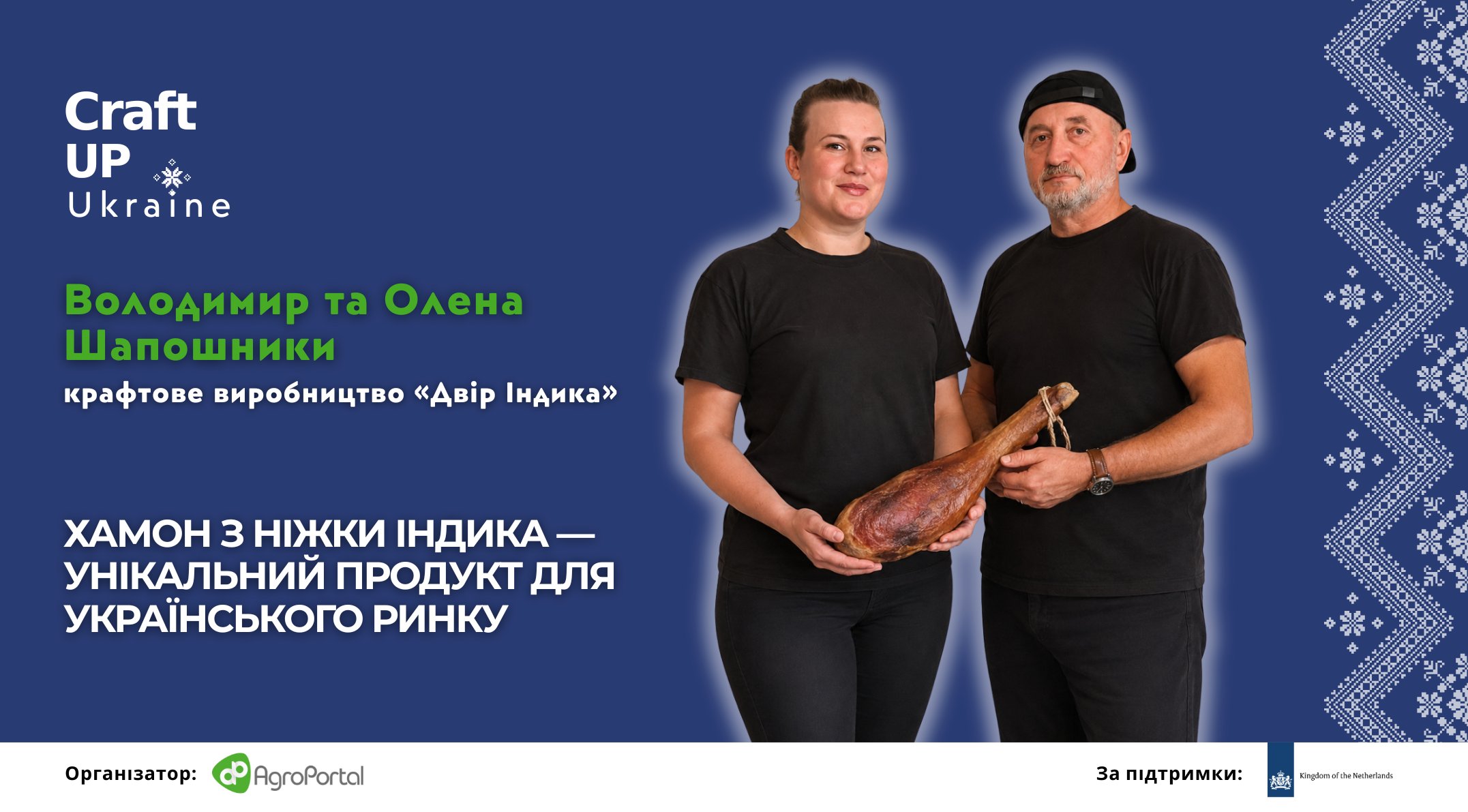
The Dvir Indyka craft production business in Poltava Region raises more than 2 tonnes of turkey meat per year, of which only 20% is processed. Its product range includes sausages and frankfurters, as well as various smoked products. The farmers plan to build a fully equipped processing facility, modernise the infrastructure and produce a product unique to the Ukrainian market — jamón made from a turkey leg. To do this, they need a climate-controlled chamber.
- 30 May 2026, 11:11 4066
 EuroTier Seeks Startups Developing Innovative Solutions for Turkey Farming
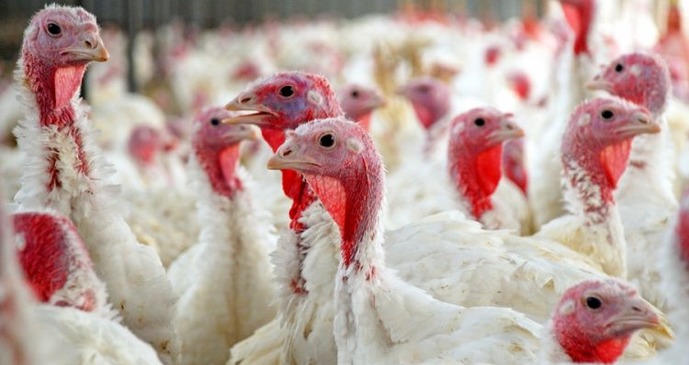
The German Agricultural Society (DLG) is looking for startups interested in developing and testing their innovations on commercial farms and implementing them in practice through the DLG network. The most promising concepts will be showcased at EuroTier 2026, the world’s leading trade fair for animal farming, which will take place on November 10–13 in Hanover, Germany.