
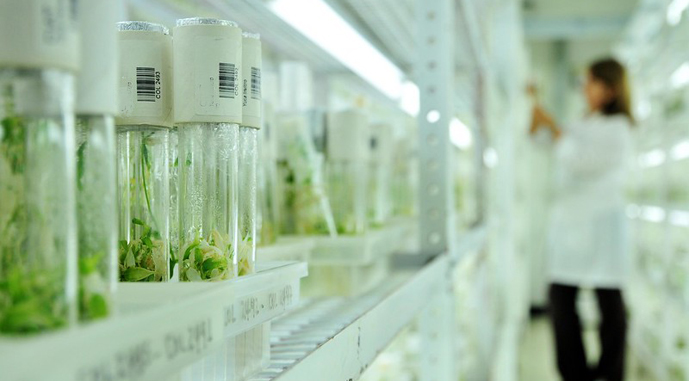
Україна приєдналась до світової системи обміну генетичними ресурсами агрокультур
How the Global System for the Exchange of Plant Genetic Resources Works — and What It Means for Ukraine
15 July 2026, 07:00 1717
 Suzana Hryhorenko
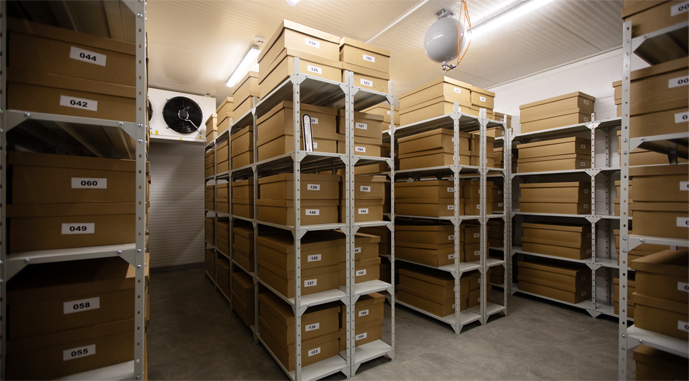
 In August this year, Ukraine will become the 156th Contracting Party to the International Treaty on Plant Genetic Resources, and as early as October, the first 1,000 samples of Ukrainian cereal and forage crop seeds will be sent for secure storage at the Global Seed Vault in Svalbard.
In my view, accession to the Treaty is a necessary step for Ukraine, confirming our readiness to consistently fulfil our commitments to the protection of plant varieties and genetic material as objects of intellectual property in line with the country’s European integration path.
This document differs from the International Convention for the Protection of New Varieties of Plants (UPOV), as it regulates not only the protection of plant varieties but also access to genetic resources, Farmers’ Rights, and benefit-sharing. This is confirmed by Articles 1, 9, and 10–13 of the Treaty. So, what exactly will change for Ukrainian farmers?
Simplified Access to Genetic Resources
The practical advantage is that Ukrainian breeders will gain access to a global gene pool comprising 2 million samples of agricultural crops. This means the possibility of legally obtaining thousands of samples of wheat, barley, maize, grain legumes, forage crops, as well as many other crops listed in Annex I to the Treaty.
For Ukraine, this is particularly important given the war and the climate challenges that are intensifying every year. Breeders gain access to a diversity of genetic material — in other words, a source of genes. The more material available, the greater the opportunity to carry out high-quality selection, which is fundamental to plant breeding.
The entire process is coordinated through the Multilateral System (MLS). Material is transferred under a single standard agreement, minimizing paperwork: requests are submitted using a standard form, without the need for additional individual arrangements. Seeds needed for research can now be obtained through a relatively simple and transparent international procedure.
The Treaty provides not only access to material but also for the international exchange of information and technologies, scientific cooperation, and joint research. For Ukrainian plant breeding institutes, this means significantly broader opportunities for cooperation with international genebanks and research centres.
Farmers Are Explicitly Recognized as Participants in the System for the First Time
This is one of the most interesting features of the document. Article 9 specifically recognizes the contribution of farmers to the development and conservation of plant genetic diversity.
Moreover, states must promote the protection of traditional knowledge, fair and equitable benefit-sharing, farmers’ participation in decision-making, and the preservation of opportunities to use seeds in accordance with national legislation. This means that farmers are no longer viewed solely as buyers of seed — they are recognized as partners in the conservation of agrobiodiversity.
The Treaty also includes a separate funding strategy. Countries with economies in transition may receive support for establishing genebanks, developing plant breeding, training specialists, modernizing laboratories, and implementing research programmes. For post-war Ukraine, this opens up additional opportunities to attract international resources.
A Crucial Issue: Intellectual Property
The Treaty provides for a balance between innovation and open access to genetic resources and is effectively built on three principles.
- Genetic material cannot be «privatized.»Article 12 explicitly states that a recipient may not claim intellectual property rights that limit facilitated access to plant genetic resources in the form received from the Multilateral System. In other words, it is not possible to take a sample from an international genebank and simply patent it as one’s own.
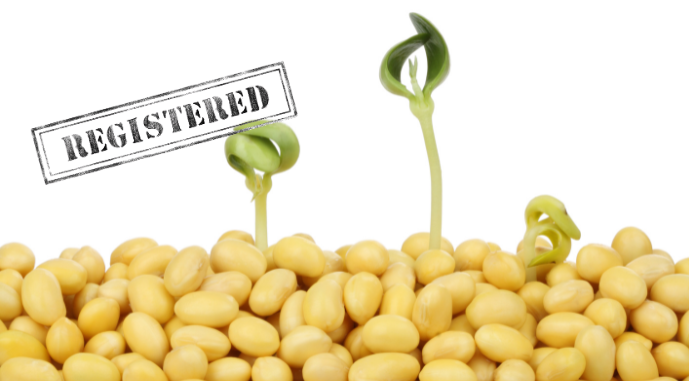
- New varieties are protected.The Treaty provides for the protection of the intellectual property system. If a breeder uses the material received and develops a new variety incorporating their own breeding achievements, that variety may be protected in accordance with applicable legislation on plant breeders’ rights.
- If you profit, you must share the benefits.This is the main distinction from most international agreements. If a company uses genetic material from the Multilateral System and develops a commercial product, it must ensure the fair and equitable sharing of benefits through the mechanisms established by the Treaty and the standard material transfer agreement.
These may include financial contributions, technology transfer, knowledge-sharing, or other forms of support. This creates the following model: «gained access — created an innovation — shared the benefits.»
Why This Treaty Is Particularly Important Now
Based on the principles of the Treaty, Ukrainian farmers could, in the future, gain:
- faster access to modern varieties adapted to climate change;
- a wider choice of genetic material for plant breeding;
- potential funding for programmes aimed at conserving agrobiodiversity;
- mechanisms for a fairer distribution of benefits arising from the use of genetic resources.
For Ukraine, which is aligning its legislation with European law, this Treaty brings together three objectives: conserving genetic diversity, developing modern plant breeding, and protecting intellectual property.
It demonstrates that plant breeders’ rights and Farmers’ Rights should function as complementary mechanisms: intellectual property stimulates innovation, while the international system of access to genetic resources helps ensure that these innovations are based on the fair exchange of resources and benefits.
Suzana Hryhorenko, Executive Director of the Seed Association of Ukraine

The author's opinion may not coincide with the editorial opinion. The author is responsible for the quotes, facts and figures given in the text.