
We are now in a situation where the sowing campaign is underway. The question remains open as to who will sow how much winter crops, particularly wheat. In addition, the combat zone has shifted and, in effect, now covers almost the entire territory of Ukraine, where there is a difference between Poltava and Sumy, but it is not particularly significant.
Operational Survival Mode: Do Farmers Have a Plan B?
15 September 2026, 06:04 926

The resilience of Ukraine’s agricultural sector has become an example for European partners, as it is based on unprecedented adaptability to change and flexibility in decision-making.
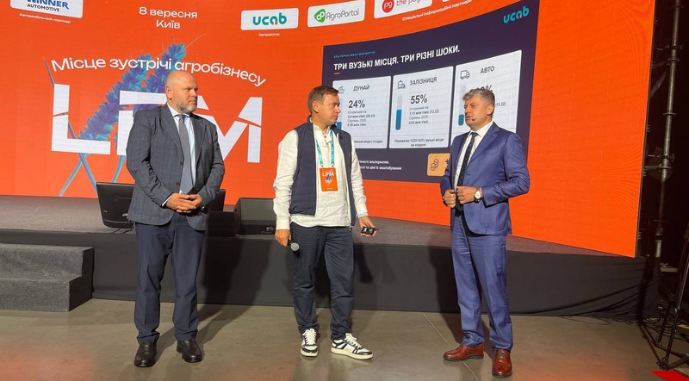
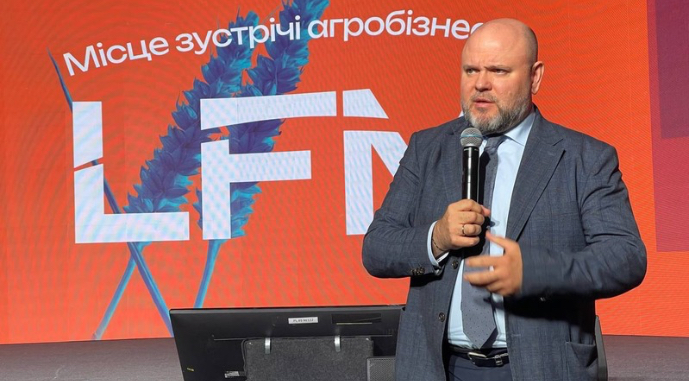
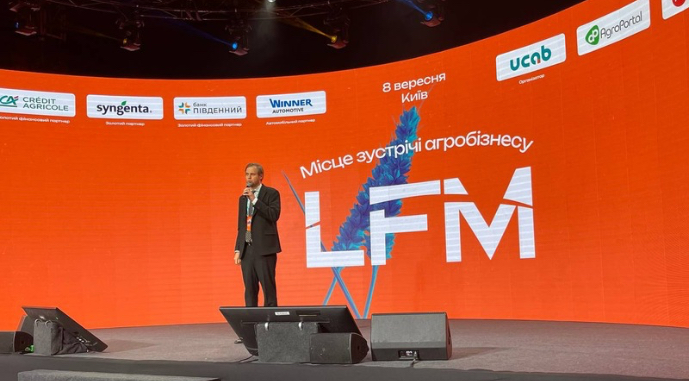
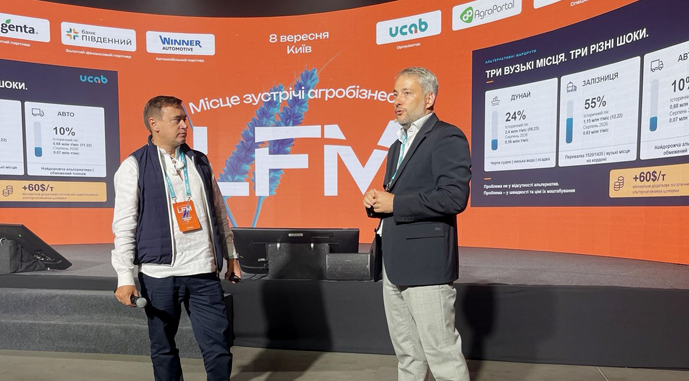
Alex Lissitsa, President of the Ukrainian Agribusiness Club (UCAB), emphasised this during a presentation at the LFM 2026 conference.
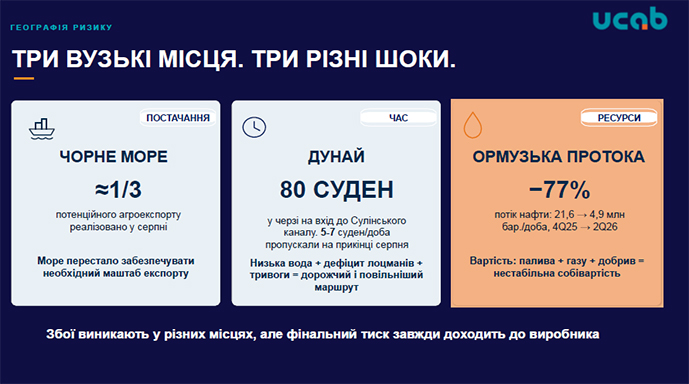
And today, amid the effective suspension of traditional exports, businesses continue to revise their business models and test alternative routes through the western borders and the Danube. However, Lissitsa stresses that the situation is now much worse than it was in 2022.
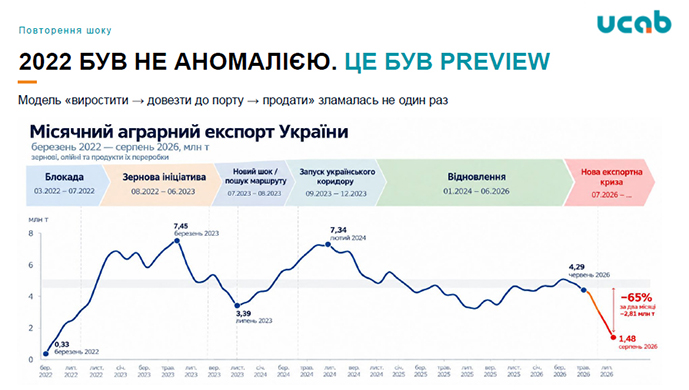 At that time, there was a resilience buffer of at least six months, as at the time of the full-scale invasion Ukraine exported around 80% of its grain, while material and technical resources for the spring sowing campaign had already been purchased or contracted.
Alex Lissitsa, President of UCAB
An informal survey conducted during the conference showed that farmers are considering reducing winter crop areas, although not all of them.
TAS Agro, for example, does not plan to change its winter wheat area, as it is the main preceding crop for rapeseed. The strategies of IMC and the AGROTRADE Group also do not envisage abandoning crop rotations that have been established and refined over the years. HarvEast, by contrast, currently sees much better economics in oilseeds and will therefore increase sunflower and soybean areas while reducing winter wheat. At Eridon, rapeseed was not sown due to weather conditions, while the company took the risk of keeping wheat at the same level as last year, although the crop was sown into dry soil in anticipation of rainfall.
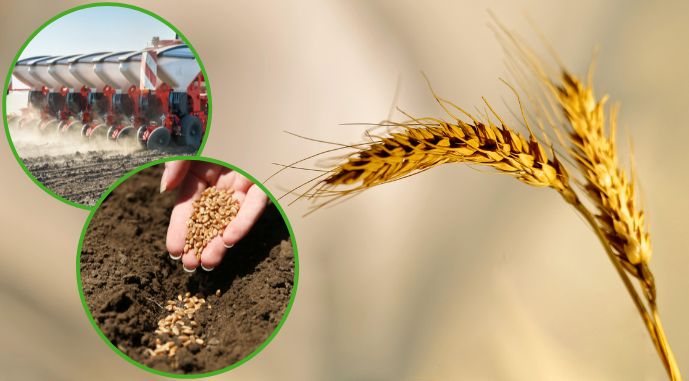
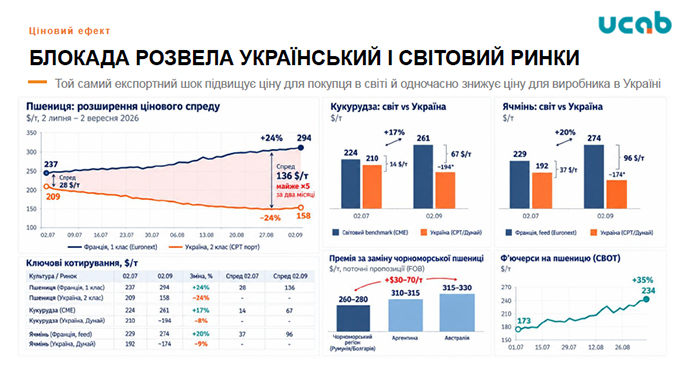
Operational survival mode, in which farmers focus on crops with higher margins that can provide companies with the funds needed to get through the current year, is a forced step. Due to unprofitable domestic prices for products, large-scale sales are difficult, which is driving demand for additional financing and the restructuring of existing investments.
Financial institutions are ready to lend to the agricultural sector, but they are now asking companies whether they have a «Plan B» that takes into account alternative logistics and sales on the domestic market.
Semen Syniakov, Director of the Department for Cooperation with Agribusiness Enterprises and Petroleum Market Operators at Pivdennyi Bank
The bank is currently receiving many requests for restructuring and additional financing. Of course, everything depends on the specific business models of agricultural companies, because each business is individual, and the bank’s decision will depend on this. Among other things, we look at whether the client has a «Plan B» and how the company plans to organise sales, since exports are practically at a standstill.
The state is not standing aside. In particular, Ukraine expects to increase export volumes through Polish ports to 6.5 million tonnes.
Polish businesses are interested in working with Ukrainian cargoes, but companies want long-term contracts, including contracts for one year.
Vitalii Holovnia, Deputy Minister of Agrarian Policy and Food of Ukraine
There is a preliminary agreement with the Polish Minister of Infrastructure to increase transportation volumes through four railway crossings to 600,000 tonnes.
As for rail logistics through western border crossings, it has the technical potential to transport 1.2–1.5 million tonnes of agricultural products per month.
Volodymyr Ivashchenko, Acting Director of the Department of Transportation Technology and Commercial Operations at JSC Ukrzaliznytsia
The infrastructure is underutilised. Despite some routes being overloaded, we can transport more. We are also ready to carry cargo to Western European ports, but we need to consolidate farmers’ plans — where and how much they want to ship — submit requests to our partners for rolling stock and develop logistics routes.
However, the economics of rail transportation remain a pressing issue, as high logistics costs directly put pressure on business profitability amid falling global grain prices. Therefore, farmers are also considering long-term crop storage, although more as a forced, albeit potentially beneficial, tool to wait out an unfavourable cycle and sell products at better margins.
As for port infrastructure, the state aims to develop a private fleet.
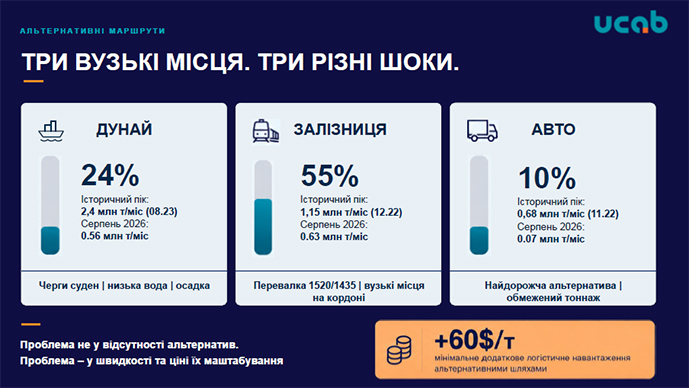
Meanwhile, the state and businesses are regularly working on logistics issues, including within the agricultural task force and the task force responsible for ensuring the operation of the maritime corridor. This includes searching for temporary alternative routes, developing rail logistics and resolving problems with the Danube route.
Andrii Kashuba, Deputy Minister for Development of Communities and Territories of Ukraine
Due to intensified russian attacks on port infrastructure and vessels travelling through the maritime corridor, the operation of waterborne logistics has become significantly more difficult. At the same time, seaports remain the key route for transporting the majority of agricultural exports.
As businesses become increasingly aware of the threats not only to ports and critical infrastructure but also to domestic infrastructure, a trend is emerging towards relocating warehouse stocks to neighbouring European countries in order to ensure the fulfilment of export contracts. MHP is already implementing such a plan.
The company understands that a further decline in exports would mean switching to survival mode with a loss of margins, but it relies on the flexibility of the system and its own ability to adapt to any crisis.
Mykhailo Bno-Airiian, Vice President for International Relations Development at MHP
In fact, the strength of business is much greater than we imagine, and we will definitely survive.
Alla Stryzheus, AgroPortal.ua
