
Ukraine’s Pasta Exports More Than Doubled in the 2025/26 Marketing Year

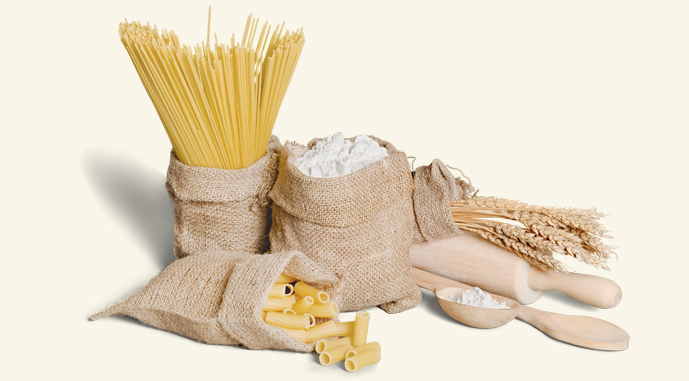
Exports of pasta products and couscous from Ukraine recorded the strongest growth among processed grain products in the 2025/26 marketing year.
This was reported by the Flour Millers of Ukraine association.
At the end of the 2025/26 season, Ukraine exported 29,500 tonnes of pasta and couscous, accounting for 5.4% of the country’s total exports of processed grain products. Compared with the previous marketing year, export volumes increased by 129%, from 12,900 tonnes.
The largest importers of Ukrainian pasta products were Germany (6,400 tonnes), Moldova (3,000 tonnes), the United Kingdom (2,700 tonnes), Romania (2,600 tonnes), and Latvia (2,300 tonnes).
Meanwhile, exports of groats and pellets declined by 17.6% to 26,200 tonnes. The main importers of these products were Moldova (7,400 tonnes), Israel (6,000 tonnes), Romania (3,200 tonnes), Costa Rica (2,300 tonnes), and Lithuania (1,200 tonnes).

 14 October 2026, 07:20279
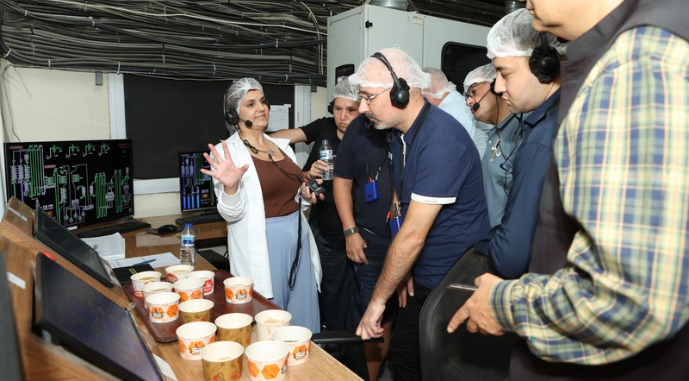
Chickpea and Lentil Paste: How One of the World's Largest Legume Processing Plants Operates
 02 October 2026, 07:201312
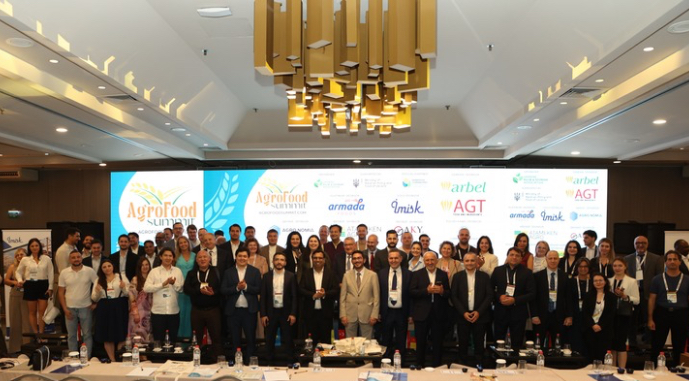
Shifting Trade Flows: What Opportunities Are Available to Ukrainian Producers?
 18 September 2026, 07:201552
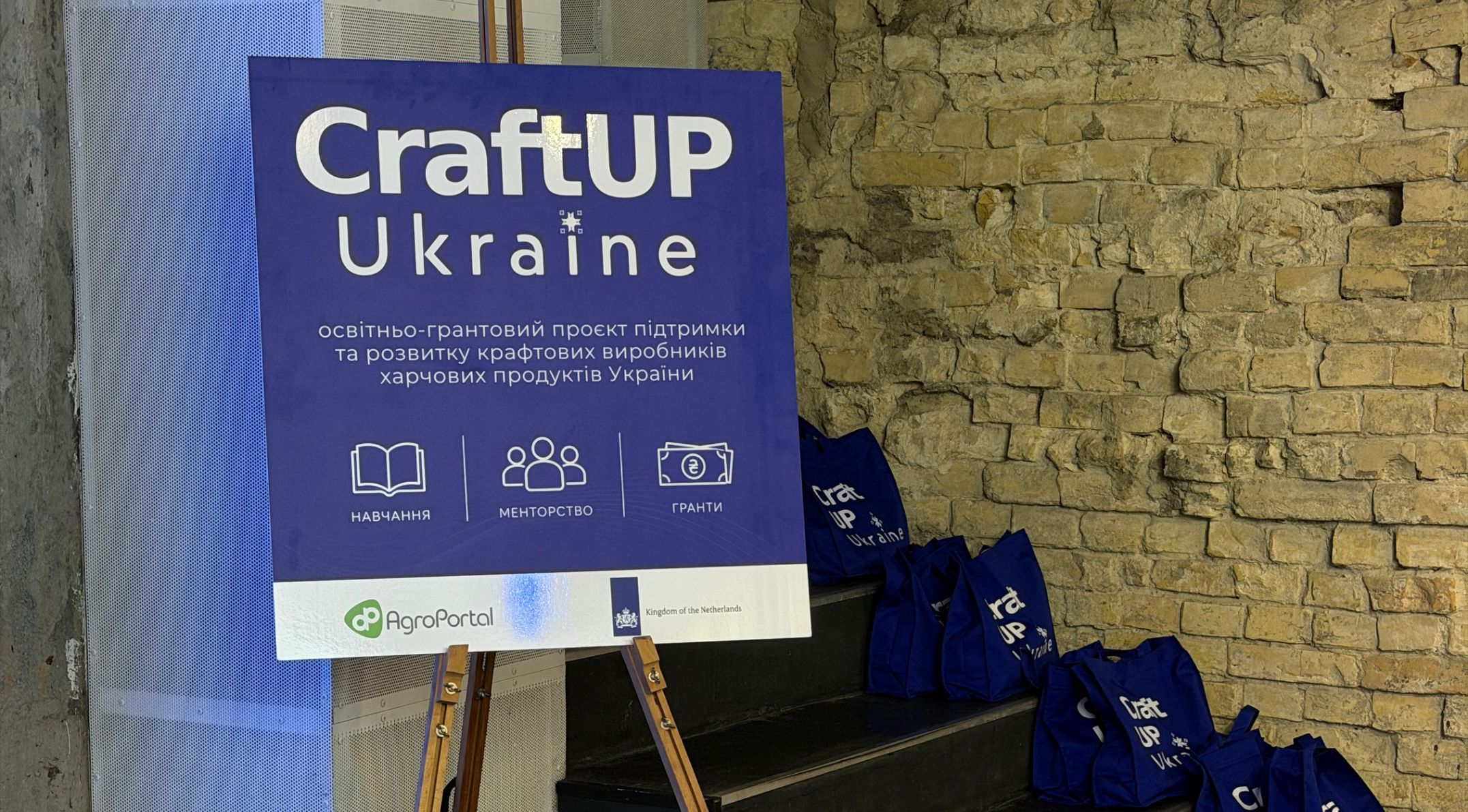
CraftUP Ukraine: Finalists Presented Their Business Projects and Received Grants
- 15 October 2026, 08:00 132
 Less Flour, More Groats: How Exports of Grain Processing Products Have Changed
Exports of grain processing products from Ukraine in the first three months of the 2026/27 marketing year amounted to 120.1 thousand tonnes, which is 9.2% lower than in the same period of the previous season.
- 14 October 2026, 12:00 638
 European Commissioner: Ukraine to Join EU Agricultural Policy Under a Special Model
Ukraine will be integrated into the European Union’s Common Agricultural Policy under a special model designed to protect European farmers while preserving opportunities for Ukrainian agricultural exports to traditional markets in Africa, Asia and the Middle East.
- 11 October 2026, 13:20 1968
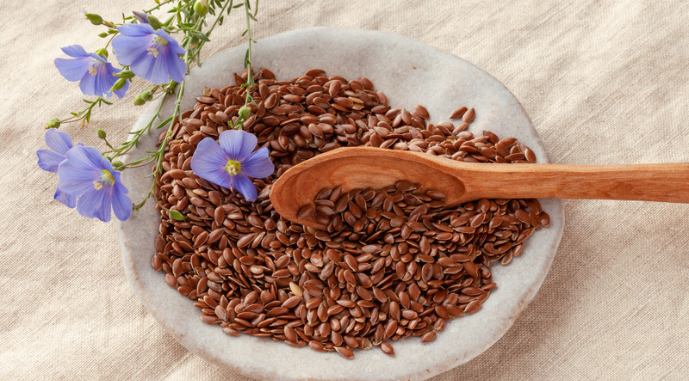 Global Flax Market Set for Change in Leadership
Kazakhstan could become the world’s largest producer of oilseed flax in the 2026/27 marketing year. At the same time, higher EU tariffs on russian flax are reshaping the structure of European imports in favour of Kazakhstan and other suppliers.
- 20 July 2026, 06:30 3490
 The Agricultural Sector on the Path to the EU: Effective Steps to Adapt to New Requirements
Ukrainian agricultural producers—from large-scale operations to small-scale craft producers—are paying increasing attention to safety, traceability, and transparency in production. These principles are driven not only by changes in the legislative framework as Ukraine moves toward European integration, but also by consumer demand.