
Skimmed Milk Powder Prices Recover, While Exports Continue to Decline

Following the decline recorded at the end of June, European skimmed milk powder (SMP) priceshave begun to recover. This has allowed Ukrainian exporters to return to their usual price levels, although some traders continue to seek lower purchase prices.
This was reported by Infagro.
Despite the improvement in market prices, exports of skimmed milk powder continue to decline. According to analysts, this is due to increased production combined with subdued domestic demand resulting from high product prices. As a consequence, part of the production may accumulate in manufacturers’ inventories.
During the first half of the year, exports of skimmed milk powder were lower than in the corresponding period of last year. At the same time, the European Union remains the key export market, where Ukrainian suppliers have already nearly exhausted their duty-free quota despite the introduction of an import licensing mechanism.
Analysts note that the higher price level on the European market remains the key factor supporting exports of Ukrainian products.
In June, Poland was the largest importer of Ukrainian skimmed milk powder, accounting for nearly 25% of total shipments. Bulgaria and Lithuania also ranked among the three largest destination markets.


 23 October 2026, 07:20308
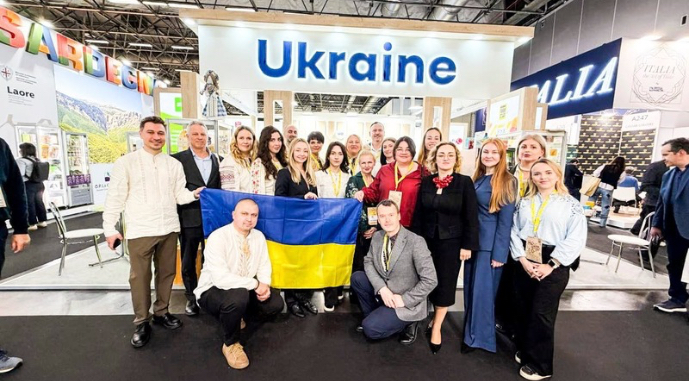
Ukraine Showcases Food Exports at SIAL Paris 2026
 14 October 2026, 07:201539
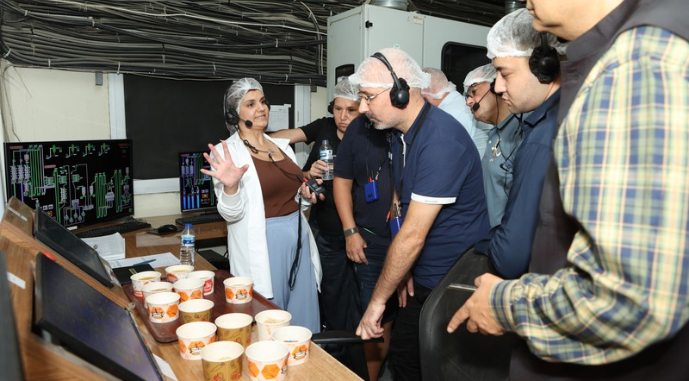
Chickpea and Lentil Paste: How One of the World's Largest Legume Processing Plants Operates
 02 October 2026, 07:201604
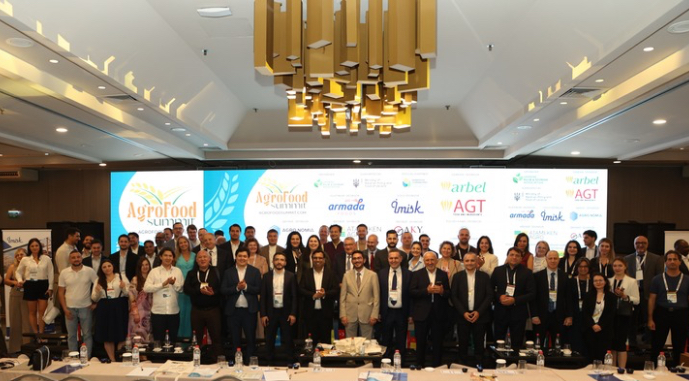
Shifting Trade Flows: What Opportunities Are Available to Ukrainian Producers?
- 23 October 2026, 14:25 644
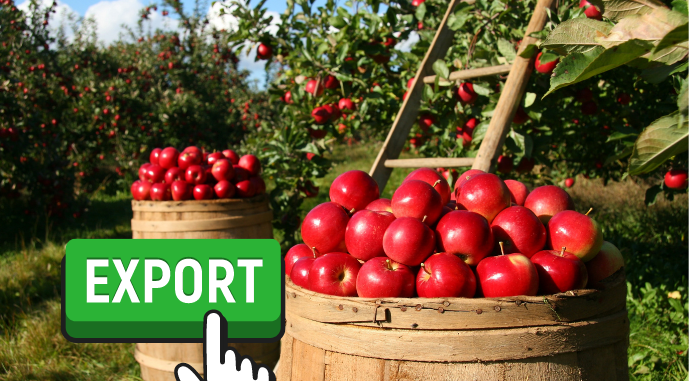 Apple Exporters Suspend Shipments Due to Rising Logistics Costs
Difficulties in crossing the state border and high logistics costs have forced Ukrainian apple exporters to suspend shipments and revise their sales plans.
- 23 October 2026, 07:20 308Ukraine Showcases Food Exports at SIAL Paris 2026
Ukrainian food and wine producers presented their products at SIAL Paris 2026, one of the world’s largest international food industry exhibitions, held in Paris on 17–21 October. Overall, Ukraine was represented by seven national and collective stands, as well as 28 individual exhibitions.
- 21 October 2026, 06:12 5307
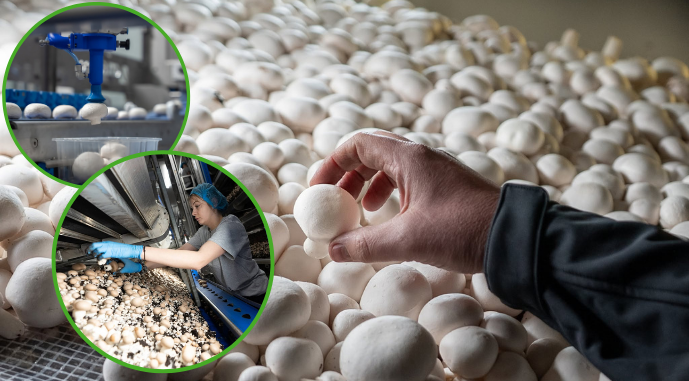 More Than 150 Mushroom Farms in Ukraine Have Returned to Pre-War Production Levels
Since the start of the full-scale invasion, mushroom production in Ukraine has declined, but not significantly. In 2020, it amounted to more than 60 thousand tonnes per year, while in 2025 it stood at around 50–60 thousand tonnes per year.