
Apricot and peach shortages forecast in Ukraine: prices may rise by up to 80%
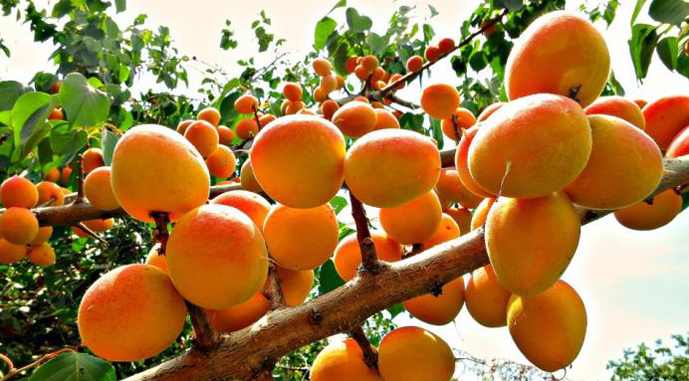
Ukraine may face a significant shortage of apricots and peaches in 2026 due to abnormal spring cold snaps that damaged a large share of the harvest.
This opinion was expressed by Denys Myronov, an analyst at the Berry Growers of Ukraine association, in a comment to UNIAN.
He believes that apricot crop losses may amount to 40–60%, while peach losses may reach 30–50% compared to average figures.
According to him, the key factor was the frosts recorded from February to April, which in some regions destroyed more than half of the flower buds.
The central and southern regions, where orchards bloom earlier, were affected the most.
The expert warns that even with imports, it will not be possible to fully compensate for the shortage. Depending on the market situation, prices for stone fruits may increase by 20–80%.
The main suppliers of imported produce remain Turkey, which accounts for about 39% of supplies, as well as Greece, Spain, and Moldova. At the same time, limited market supply will contribute to higher prices: in the event of a moderate shortage, prices may rise by 20–30%, while in the case of significant crop losses, they may increase by 50–80%.
The specialist explains that apricots and peaches are the most vulnerable to spring cold snaps because they bloom the earliest. A temperature drop to -1 to -3°C during the flowering stage may damage the blossom, while prolonged cold weather further complicates pollination due to reduced bee activity.
At the same time, the duration of the frosts plays a decisive role. Short-term cold snaps may not cause critical damage, and farmers can use protective methods, including smoke treatment or orchard spraying. However, if low temperatures persist for several days in a row, crop losses become inevitable.
 14 October 2026, 07:20554
Chickpea and Lentil Paste: How One of the World's Largest Legume Processing Plants Operates
 02 October 2026, 07:201368
Shifting Trade Flows: What Opportunities Are Available to Ukrainian Producers?
 18 September 2026, 07:201592
CraftUP Ukraine: Finalists Presented Their Business Projects and Received Grants