
Taras Vysotsky
- 24 June 2026, 06:06 4288
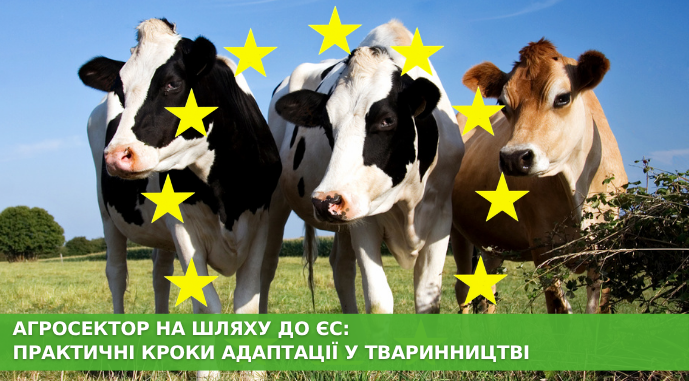 The Agricultural Sector on the Path to the EU: Practical Steps for Adaptation in Livestock Farming
Ukraine’s EU membership requires the adaptation of livestock farming to stricter standards for product safety, animal welfare and environmental regulations. At the same time, the changes and innovations that agricultural producers will have to implement on farms will help raise production standards and expand export opportunities for Ukrainian products.
- 10 June 2026, 08:40 1326
 Ukraine’s Agricultural Sector Losses from Russian Attacks Exceed $11 Billion
The direct losses suffered by Ukraine’s agricultural sector as a result of the full-scale war and Russian attacks have exceeded $11 billion.
- 30 May 2026, 08:39 2552
 Ukraine Can Identify Grain Stolen from Occupied Territories with Nearly 100% Accuracy
Ukraine is capable of identifying grain originating from temporarily occupied territories with a very high degree of accuracy.
- 26 May 2026, 05:49 6380
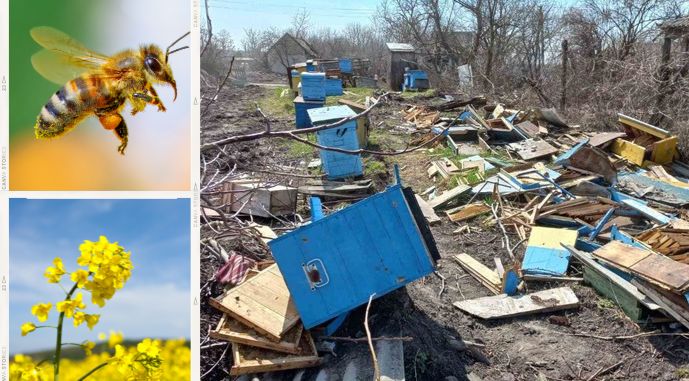 Beekeeping During the War: How the Industry Withstood the Challenges and Is Integrating into the EU
The full-scale war has dealt a serious blow to Ukrainian beekeeping, causing both the direct death of millions of insects due to shelling and fires, and the destruction of thousands of farms in occupied and frontline territories.
- 25 May 2026, 06:19 6214
 Agricultural sector on the path to the EU: practical steps for Ukrainian farmers to adapt
The European integration of Ukraine’s agricultural sector is now an entirely realistic development scenario for the industry. Ukraine has already implemented around 74% of the provisions of the Association Agreement related to agriculture and rural development, and 83% of those concerning food safety, veterinary and phytosanitary policy.
- 20 May 2026, 13:44 1459
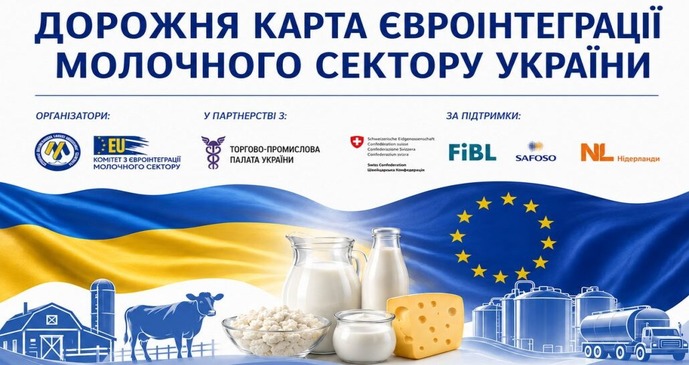 Roadmap for the European Integration of Ukraine’s Dairy Sector Presented
On May 20, Kyiv hosted the presentation of the Roadmap for the European Integration of Ukraine’s Dairy Sector. The document serves as a strategic framework and a step-by-step plan outlining the direction in which Ukraine’s dairy sector should move on its path toward European integration.The goal of the document is to bring Ukrainian dairy products to the European market and ensure the sustainable development of the industry.The Roadmap was developed by industry associations, including the Union of Dairy Enterprises of Ukraine, in partnership with government bodies and with the support of international donors from Switzerland and the Netherlands.
- 19 May 2026, 15:24 1448
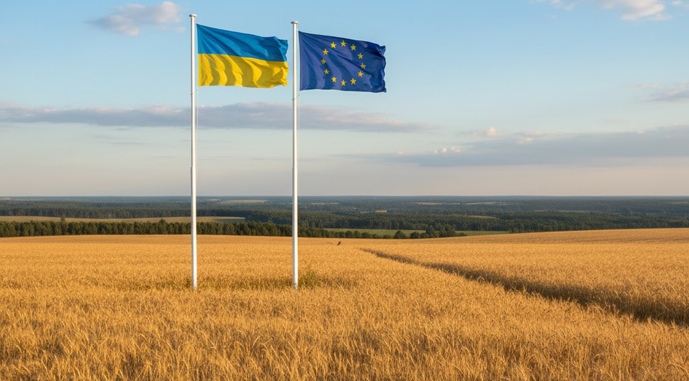 European Integration of Ukraine’s Agricultural Sector: Key Changes Expected by 2028
Ukraine continues the systematic adaptation of its agricultural sector to European Union standards. Compliance with EU requirements is already opening new export markets for domestic products and strengthening the country’s position in the global agricultural market.
- 11 May 2026, 09:56 1850
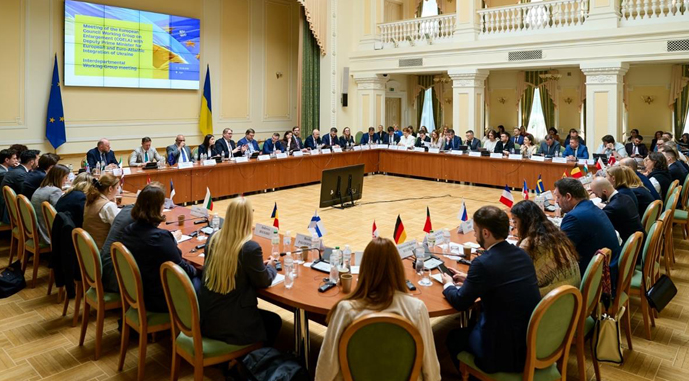 Ukraine outlines plans for EU negotiations on the agricultural sector
Ukraine is moving to a more practical stage of EU accession negotiations, with clear priorities for 2026, deadlines for achieving key benchmarks, and the preparation of negotiating positions by sector.
- 17 April 2026, 12:00 2375
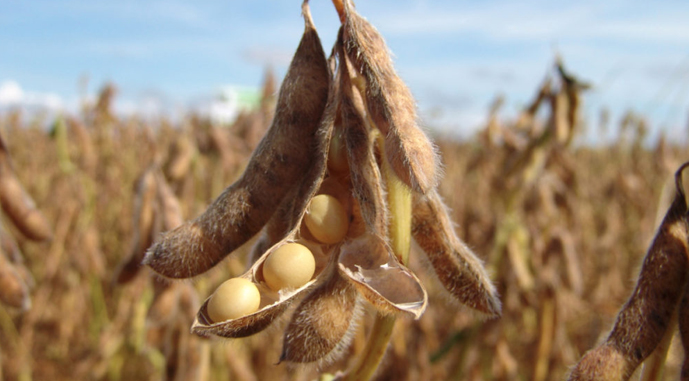 Ukraine can become a key supplier of soybeans to the EU
Ukraine can become a key supplier of soybeans to the European Union due to its large production volumes and readiness to comply with new requirements.