
Olha Trofimtseva: Ukraine Needs the European Union No Less Than the EU Needs Ukraine
EU Agricultural Sector Risks Becoming Confined to Domestic Market Without Ukraine’s Potential
29 September 2026, 08:00 478
Ukraine can help the European Union move from responding to food crises around the world to finding ways to resolve them.
This view was expressed by Alex Lissitsa, President of the Ukrainian Agribusiness Club (UCAB), during a conference, according to the association’s press service.
He noted that Ukrainian agriculture is currently a cornerstone of the country’s economy. Despite the loss of 5 million hectares of agricultural land and 28 million tonnes of potential production due to the war, Ukraine continues to produce around 80 million tonnes of grain, remaining a key player in the global market.
«At the same time, these results are being achieved under unprecedented pressure on the sector — Ukrainian farmers continue to work under daily enemy attacks. Limited access to Black Sea ports is forcing producers to seek alternative routes — through Danube ports or the European rail network. Due to the high cost of such alternative logistics, the profitability of agricultural production is falling significantly,» Alex Lissitsa emphasised.
He added that this situation creates serious risks for future sowing campaigns: farmers are being forced to consider reducing sown areas and cutting fertiliser use, which will inevitably affect future harvest volumes. Without the full operation of Odesa ports, the survival of the sector is under threat.
The UCAB President explained that the Ukrainian agricultural sector continues to develop and deepen its ties with the European market despite difficult conditions. This cooperation has long gone beyond trade alone: modern agricultural machinery from France, Germany and Belgium, high-performance hybrids and advanced technological solutions have become an important component of the Ukrainian agricultural sector’s success. For its part, Ukraine supplies agricultural products to the European market and, in return, imports European value-added goods. Future integration could strengthen the positions of both Ukraine and the EU, the expert believes.
«Today, Europe is gradually losing its competitive advantages compared with other major global producers. Synergy with Ukraine’s agricultural sector is an opportunity for the EU to maintain its leadership and remain a strong player in third-country markets. If we do not combine our potential, European agriculture risks turning into a closed ecosystem, producing exclusively to meet the needs of EU consumers. Only together can we withstand global competition,» Alex Lissitsa concluded.

 18 September 2026, 07:201107
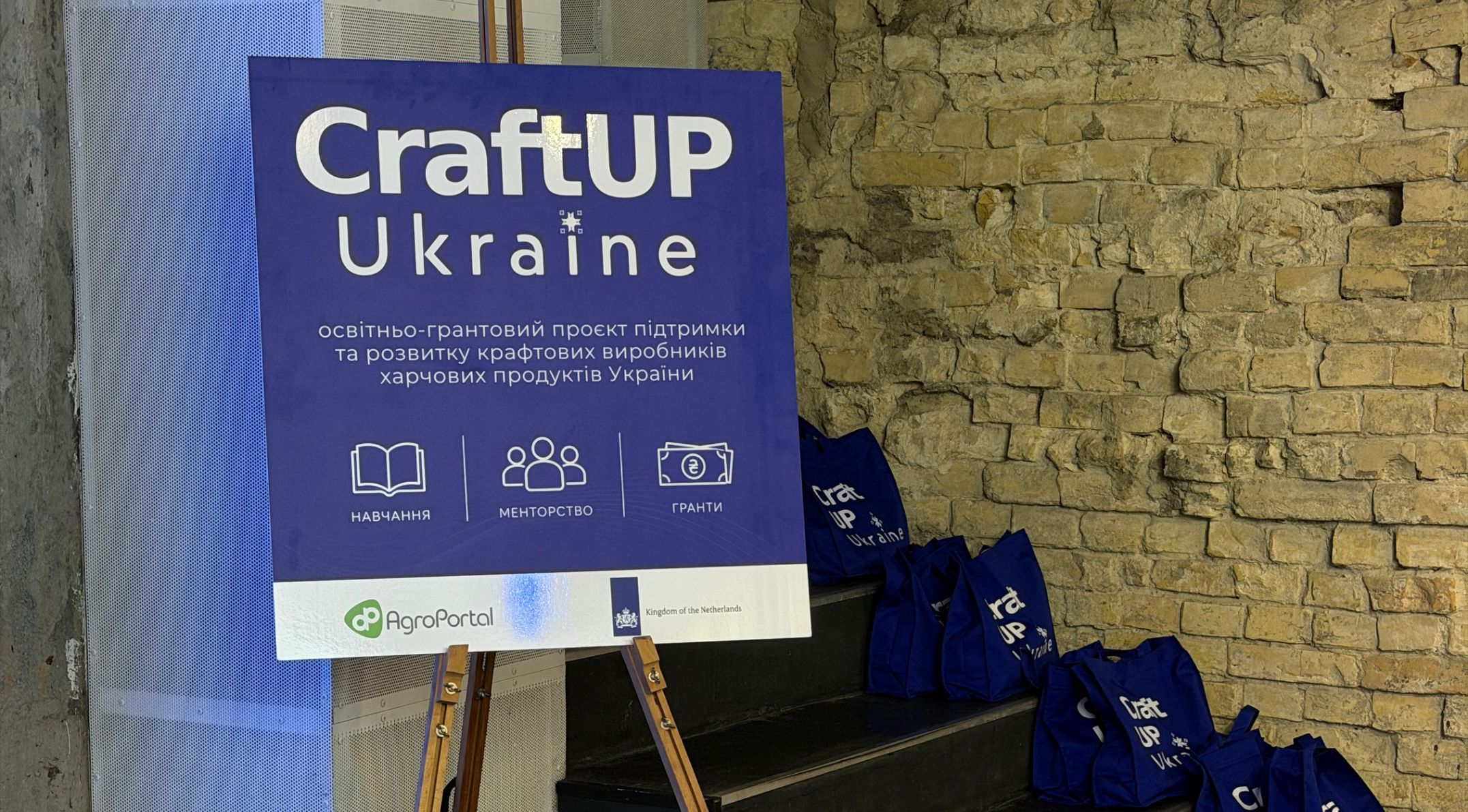
CraftUP Ukraine: Finalists Presented Their Business Projects and Received Grants
 03 August 2026, 07:201643
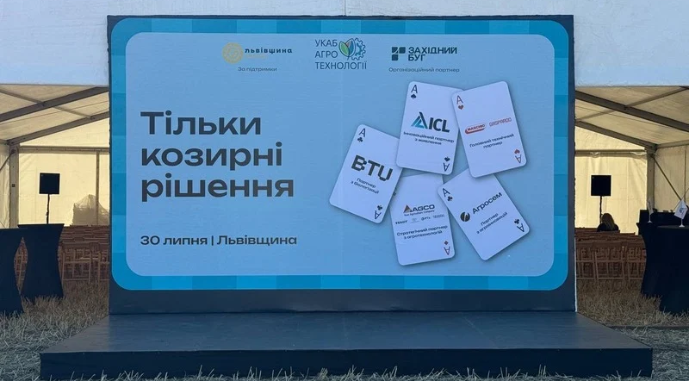
UCAB Agrotechnologies 2026. West: All Winning Solutions in One Field
 03 July 2026, 07:202300
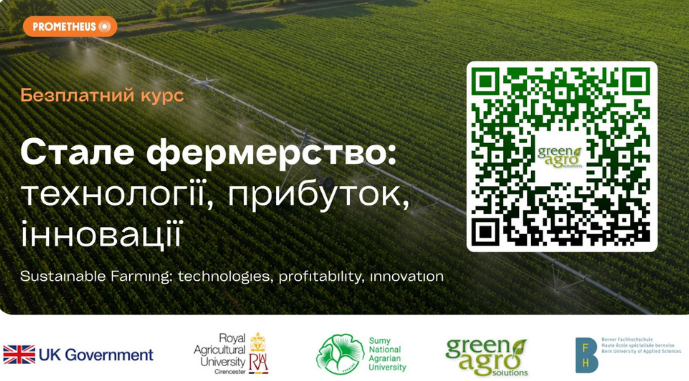
Sustainable Farming: Implementing Modern Sustainable Technologies Without Unnecessary Mistakes and Losses
- 28 September 2026, 09:24 2261
 Optimistic Timeline for Ukraine’s EU Accession Announced
2032 is a realistic timeframe for Ukraine to join the European Union.
- 24 September 2026, 08:00 1061
 Ukraine Asks EU for $2 Billion to Cover Agricultural Export Costs via the Baltic
Ukraine has appealed to the European Union and other international partners for $1.5–2 billion to compensate for the additional costs of exporting grain through Baltic ports.
- 23 September 2026, 11:14 2227
 Almost 30 Thousand Tonnes of Ukrainian Honey Exported
Ukraine exported 29.81 thousand tonnes of honey worth $69 million in the first eight months of 2026.
- 15 September 2026, 06:04 2570
 Operational Survival Mode: Do Farmers Have a Plan B?
The resilience of Ukraine’s agricultural sector has become an example for European partners, as it is based on unprecedented adaptability to change and flexibility in decision-making.
- 24 August 2026, 05:34 2176
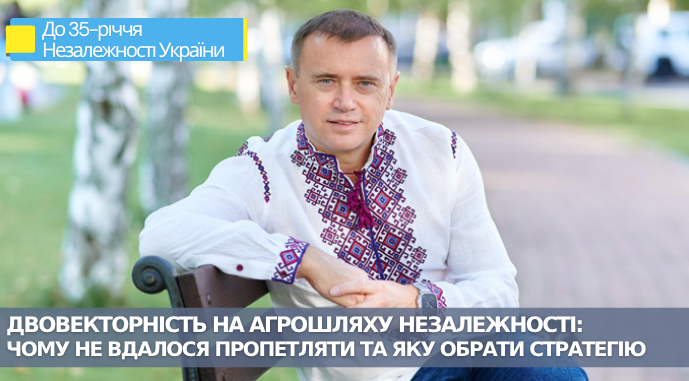 Dual-Track Approach on Ukraine’s Agricultural Path to Independence: Why Trying to Navigate Between Two Sides Failed and Which Strategy to Choose
Today, Ukraine marks the 35th anniversary of its independence and, along with it, 35 years of development of its agri-food sector. Over this period, the industry has transformed from the collective and state farm system into an agricultural business sector, becoming one of the largest players on the global market.