
Market and Security Factors Are Changing the Structure of Ukraine’s Livestock Sector
Pig Finishing Complex for 2,000 Pigs Built in Volyn Region
24 October 2026, 08:40 960
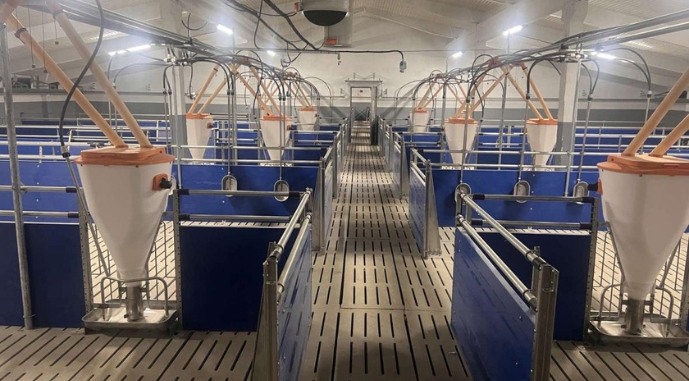
The first phase of a new pig finishing complex operated by MAKS KOM has been launched in Volyn Region, with more than UAH 40 million invested in its construction and equipment. The facility is designed to house 1,960 pigs at a time and plans to market around 6 thousand head annually.
This was reported by Business.Rayon.
The complex is located in the Horokhiv area. The company, which has been operating in pig farming for 21 years, specialises in raising young pigs with Danish DanBred genetics without the use of antibiotics. The equipment was purchased using the company’s own funds and financing under the state Affordable Loans 5-7-9% programme. Document preparation took a year and a half, while construction lasted around one year.
Feed distribution and manure removal have been automated at the facility, while a covered lagoon with a capacity of 10 thousand m³ has been built for manure storage. Pellets made from the company’s own raw material — rapeseed straw — are used for heating.
The company is also developing its energy independence. At another MAKS KOM farm, 100 kW of solar panels, batteries with a capacity of 480 kWh and a generator have been installed. According to company founder Taras Shcherbliuk, this helped reduce monthly electricity costs from approximately UAH 300 thousand to UAH 50–60 thousand. The new complex is planned to be equipped according to a similar principle.
The company currently sells live pigs on the domestic market but aims to complete the necessary environmental, phytosanitary and quarantine procedures to enter export markets. Its immediate plans include construction of the second phase, including a facility for 360 sows, as well as further expansion of its finishing capacity.
In the longer term, the company plans to increase its permanent pig population to 8 thousand head and market up to 24 thousand head annually. The development project also includes biogas and cogeneration units, which will make it possible to use livestock waste for energy production.

 23 October 2026, 07:20304
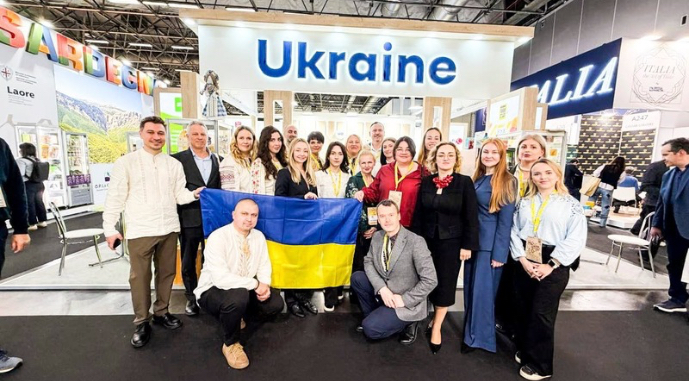
Ukraine Showcases Food Exports at SIAL Paris 2026
 14 October 2026, 07:201536
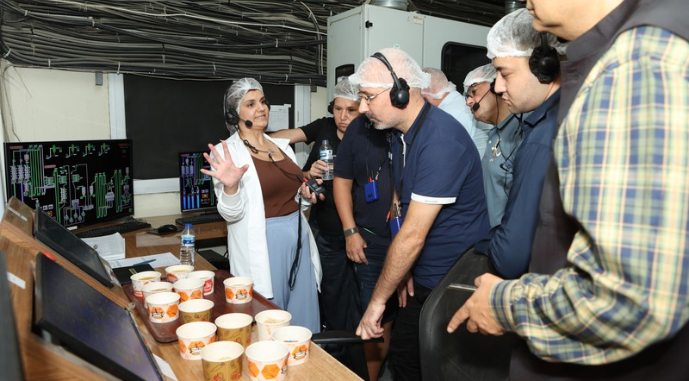
Chickpea and Lentil Paste: How One of the World's Largest Legume Processing Plants Operates
 02 October 2026, 07:201601
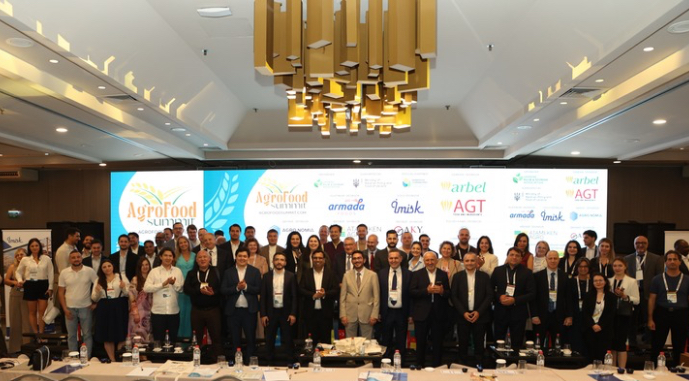
Shifting Trade Flows: What Opportunities Are Available to Ukrainian Producers?
- 16 October 2026, 08:42 1185
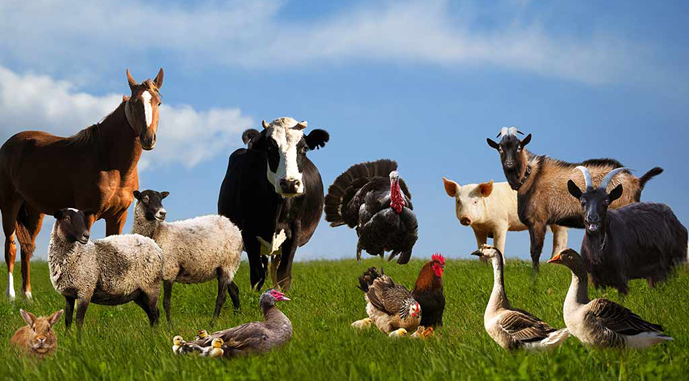 Market and Security Factors Are Changing the Structure of Ukraine’s Livestock Sector
Ukraine’s livestock sector continues to undergo structural transformation under the influence of market and security challenges.