
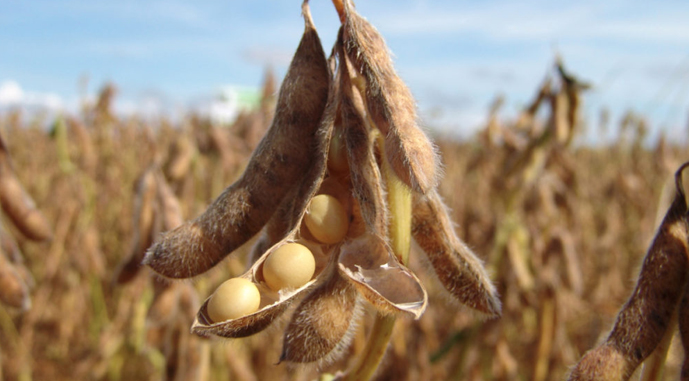
Ukraine can become a key supplier of soybeans to the EU
EUDR Compliance Will Help Ukraine Maintain Its Position in Germany’s Soybean Market
23 August 2026, 10:24 1725

Germany, one of Europe’s major consumers of soybeans for the feed industry, is tightening requirements for traceability and verification of the origin of imported raw materials.
According to data from the German Feed Association (DVT), soybeans with verified sustainable and deforestation-free origins (EUDR) have already become an important part of the supply chains of German compound feed producers, UkrAgroConsult reports.
It is noted that in the 2024/25 marketing year, Germany imported 2.4 million tonnes of soybeans, of which 1.7 million tonnes came from the United States and around 0.2 million tonnes from Ukraine. In addition, the country purchased 1.6 million tonnes of soybean meal, including 1.2 million tonnes from South America and 0.3 million tonnes from India.
At the same time, Germany’s feed industry is rapidly shifting from conventional certification to detailed traceability of commodity flows. While in 2023 only 35% of surveyed market participants were able to provide information on the control models used in soybean supply chains, in 2024–2025 their share increased to 88%. One of the factors behind this increase was the introduction of the mandatory additional QS SojaPlus module.
According to DVT estimates, around 90% of the soybean meal currently used in Germany already comes from areas where no deforestation has occurred in accordance with the criteria of the EU Deforestation Regulation (EUDR). At the same time, requirements for the sustainability of feed raw materials and transparency of their origin will continue to tighten under the influence of European legislation and buyer requirements.
For Ukrainian exporters, this means that access to the German and broader EU markets will increasingly depend not only on the price and quality of soybeans, but also on the ability to verify their origin and trace the entire supply chain. Given that Germany already purchases around 200 thousand tonnes of Ukrainian soybeans annually, compliance with the new requirements could become an important factor in maintaining Ukraine’s position in this market, analysts believe.

 02 October 2026, 07:20952
Shifting Trade Flows: What Opportunities Are Available to Ukrainian Producers?
 18 September 2026, 07:201332
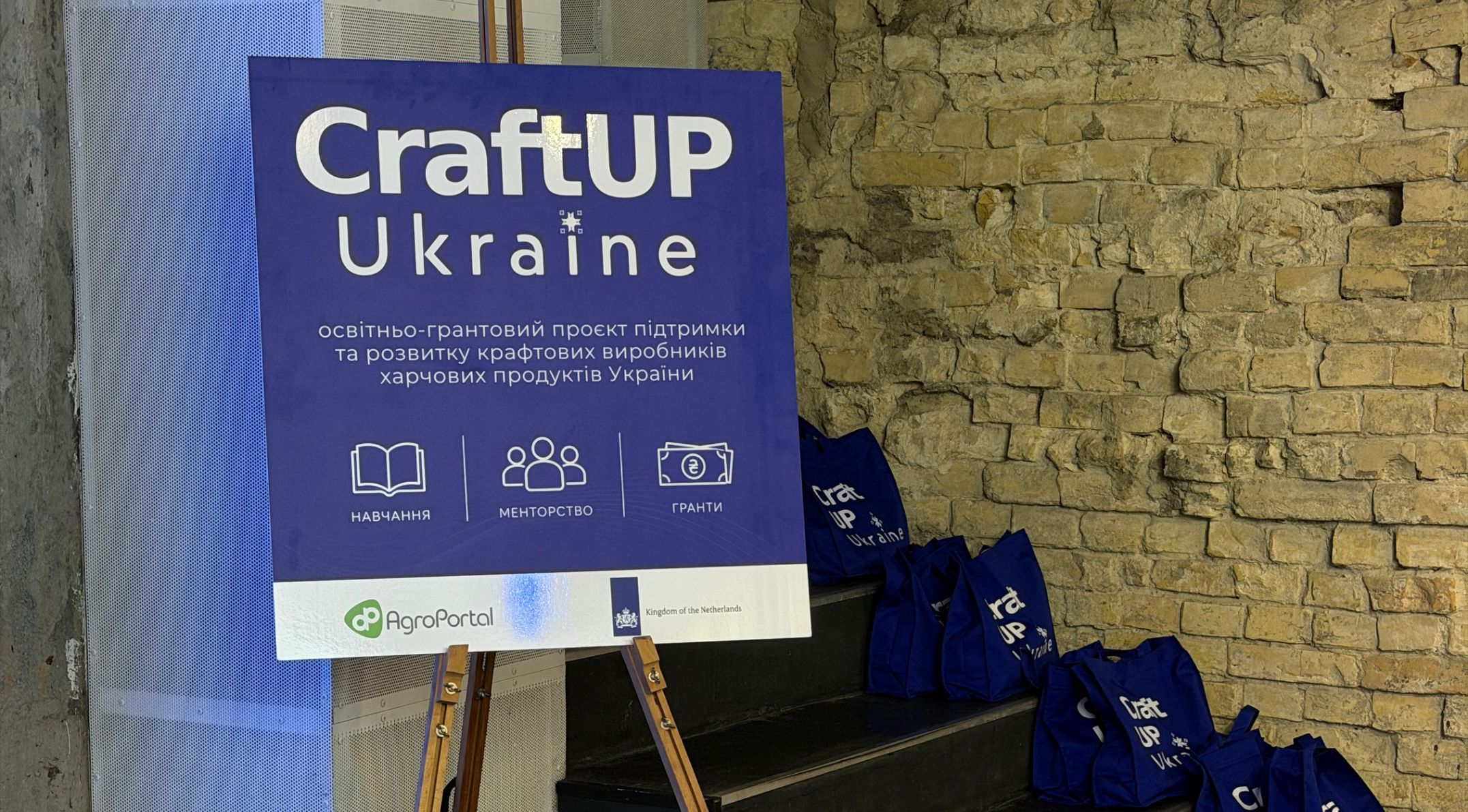
CraftUP Ukraine: Finalists Presented Their Business Projects and Received Grants
 03 August 2026, 07:201710
UCAB Agrotechnologies 2026. West: All Winning Solutions in One Field
- 06 October 2026, 12:45 724
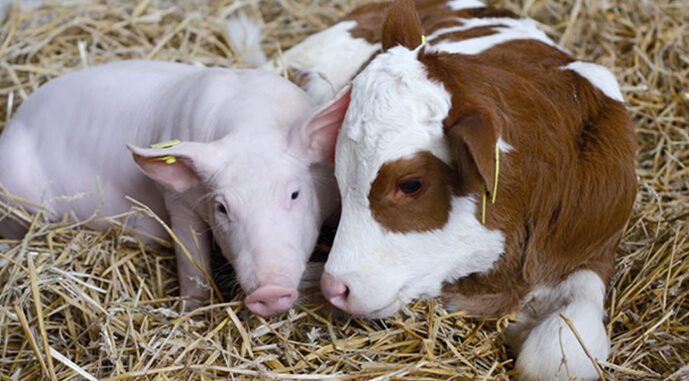 Ukraine Has Made Tremendous Progress in Animal Welfare
Ukraine is moving from legislative harmonisation to the practical implementation of European farm animal welfare standards.
- 17 September 2026, 13:45 1343
 Ukraine Nearly Doubles Pork Imports
In the first eight months of 2026, Ukraine imported 26.9 thousand tonnes of pork — 1.8 times more than in the same period last year. The value of imports increased 1.7-fold to $65.1 million.