
FAO Identifies Regions Where El Niño Poses the Greatest Threat to Agriculture
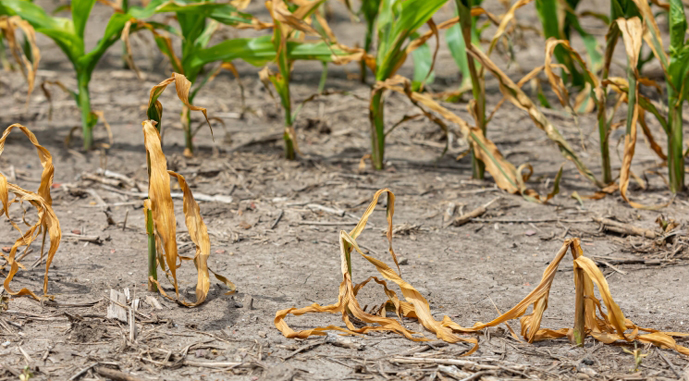
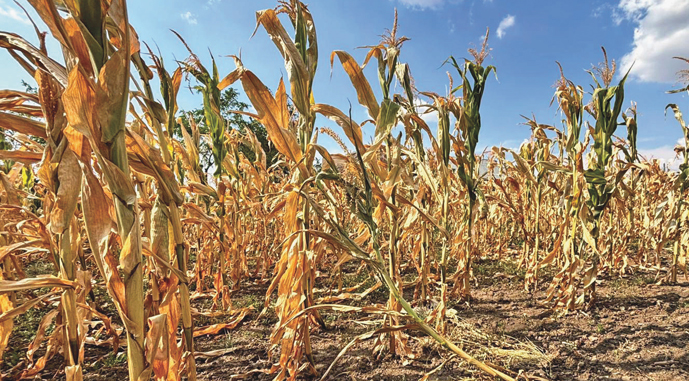
A new phase of the El Niño climate phenomenon is highly likely to begin worldwide in the coming weeks, potentially triggering widespread droughts and causing significant disruptions to agricultural production.
This was reported by the Food and Agriculture Organization of the United Nations (FAO), which has released an assessment identifying the regions where agriculture faces the greatest risk from rainfall shortages.
According to the World Meteorological Organization (WMO), the current El Niño cycle could be stronger than usual. FAO experts analysed 41 years of satellite data to identify the areas where severe El Niño events have historically been most closely associated with destructive droughts.
The regions facing the highest risk include the Sahel, Southern Africa, South and Southeast Asia, as well as Central America and the Caribbean. In these regions, the probability of drought during the coming months exceeds 50%.
In the Sahel, the greatest threat is concentrated in the agricultural areas of Senegal, southern Mauritania, Côte d’Ivoire, Ghana, Togo, Benin, Nigeria, Ethiopia, and Sudan. FAO notes that the region is already affected by conflict, forced displacement, and food insecurity, meaning that even a moderate drought could significantly worsen the humanitarian situation.
Particular concern surrounds Southern Africa, where the previous El Niño cycle triggered the region’s worst drought in more than a century. According to FAO, Namibia, Botswana, Angola, Zambia, Zimbabwe, South Africa, as well as parts of Mozambique and Madagascar, face the greatest risk this year. Reduced pasture availability and water shortages could result in substantial livestock losses and increased food insecurity.
In Central America and the Caribbean, the probability of below-average rainfall is expected to reach 70%. The greatest risks are forecast for the so-called Central American Dry Corridor, as well as Colombia, Venezuela, the Dominican Republic, Cuba, and Haiti.
Significant risks are also forecast across South and Southeast Asia. Countries at risk include Pakistan, India, Myanmar, Thailand, Cambodia, Vietnam, the Philippines, Indonesia, and Timor-Leste. El Niño could weaken the summer monsoon season, negatively affecting the production of rain-fed crops, particularly rice and maize.
FAO emphasises that more than 80% of potential drought-related losses are expected to occur in low- and middle-income countries, where agricultural production largely depends on natural rainfall. The organisation has called on governments to implement preventive measures before losses occur.
«When risks are identified early and at the local level, farmers and livestock producers have an opportunity to make critical decisions before the growing season reaches its peak. They can adjust planting schedules, select drought-tolerant crops, and build reserves of livestock feed and water to reduce the risk of shortages,» FAO concluded.

 23 October 2026, 07:20288
Ukraine Showcases Food Exports at SIAL Paris 2026
 14 October 2026, 07:201532
Chickpea and Lentil Paste: How One of the World's Largest Legume Processing Plants Operates
 02 October 2026, 07:201597
Shifting Trade Flows: What Opportunities Are Available to Ukrainian Producers?
- 04 October 2026, 08:40 2116
 El Niño threatens the global sugar market with shortages and rising prices
Weather anomalies linked to El Niño are dampening the outlook for sugar production in key producing countries. After an expected surplus, the market may shift to a deficit in the new season, and raw sugar futures have risen by more than 25% since July.
- 28 September 2026, 11:09 1549
 Ukraine Calls on FAO to Hold Extraordinary Session to Assess Impact of Black Sea Blockade
Ukraine has called on the Food and Agriculture Organization of the United Nations (FAO) to hold an extraordinary session to assess the impact of the halt in Black Sea exports on global food security.