
Diesel Prices Rise During Harvest: Break-Even Yield for Winter Wheat Revealed

Fuel prices in Ukraine continue to rise, with the average price of diesel approaching UAH 90 per litre.
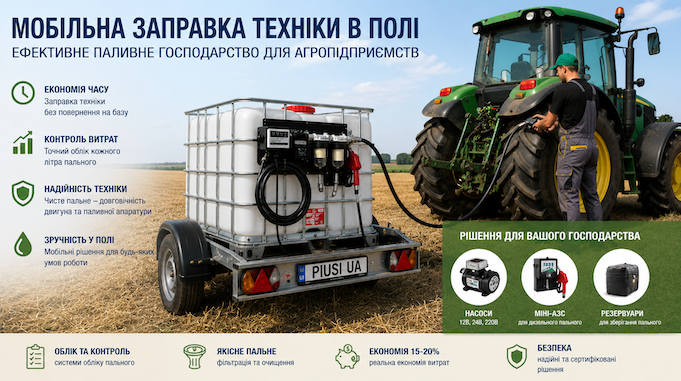
According to the institute’s calculations, at current market conditions the break-even yield for winter wheat is approximately 5 tonnes per hectare, assuming a grain market price of UAH 9,000 per tonne. In other words, if a farm harvests a lower yield or sells grain at a lower price, even a relatively moderate increase in fuel and logistics costs during the harvest season may push production into unprofitability.
However, fuel costs are only one part of the overall cost structure.

Production costs in 2026 have already increased by approximately 15% compared to the previous year. This is driven not only by higher diesel prices but also by rising costs for mineral fertilizers, seeds, crop protection products, electricity, as well as challenging logistics and labour shortages. Overall, crop production costs could reach UAH 650–680 billion.
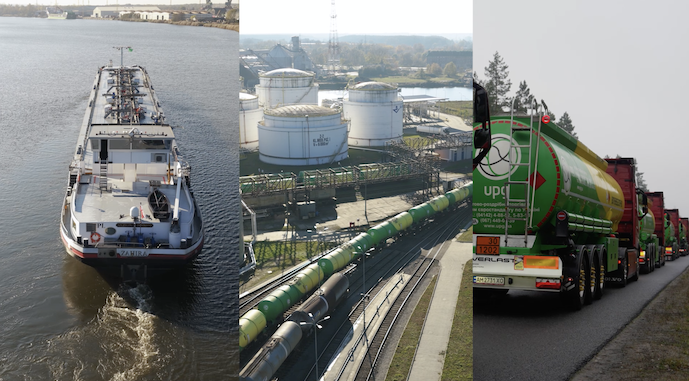
Small and medium-sized farms remain the most vulnerable, as they often lack long-term fuel supply contracts, rely on leased machinery, or face higher transportation costs.
Large agricultural holdings are able to partially offset rising costs through bulk fuel purchases, fuel reserves, and economies of scale.
When another increase in fuel prices occurs during the peak of the harvest season, on top of the already high logistics costs caused by the war, it does not automatically mean that all wheat producers will become unprofitable. However, it significantly reduces the financial resilience of many farms.
Alla Stryzheus, AgroPortal.ua

 23 October 2026, 07:20715
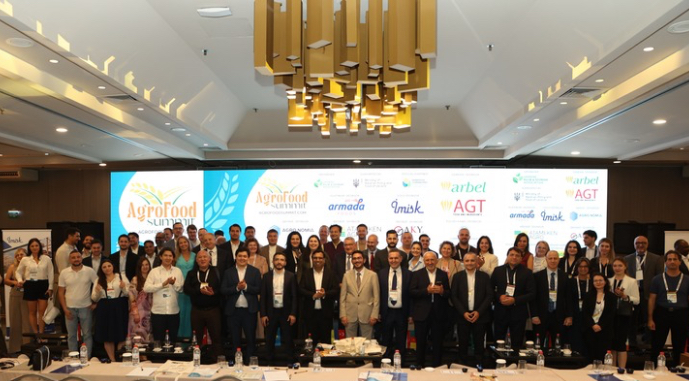
Ukraine Showcases Food Exports at SIAL Paris 2026
 14 October 2026, 07:201634
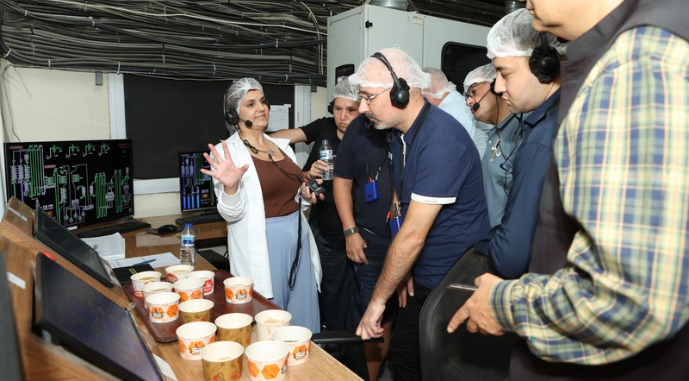
Chickpea and Lentil Paste: How One of the World's Largest Legume Processing Plants Operates
 02 October 2026, 07:201676
Shifting Trade Flows: What Opportunities Are Available to Ukrainian Producers?
- 11 October 2026, 08:45 1781
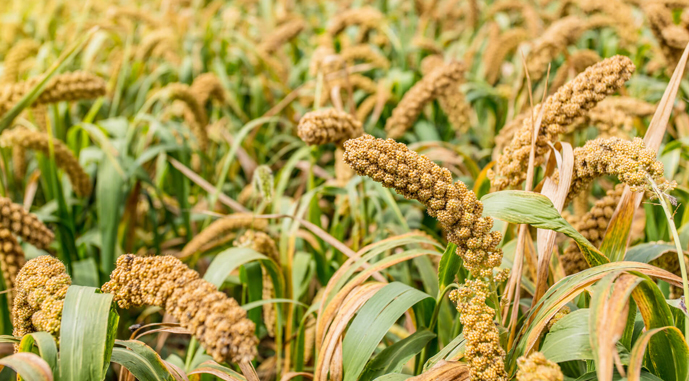 War Changes Geography of Millet Production in Ukraine
The traditional area for millet cultivation in Ukraine is the steppe regions. At the same time, under the influence of russia’s full-scale invasion of Ukraine, changes in production geography and climatic factors, the area of millet cultivation is gradually shifting and expanding, particularly towards the Forest-Steppe and Polissia regions.
- 13 September 2026, 14:25 1168
 UAH 70 Billion Needed for Winter Crop Sowing
The agricultural sector needs around UAH 200 billion in working capital financing to carry out the main autumn fieldwork.
- 10 September 2026, 05:43 2680
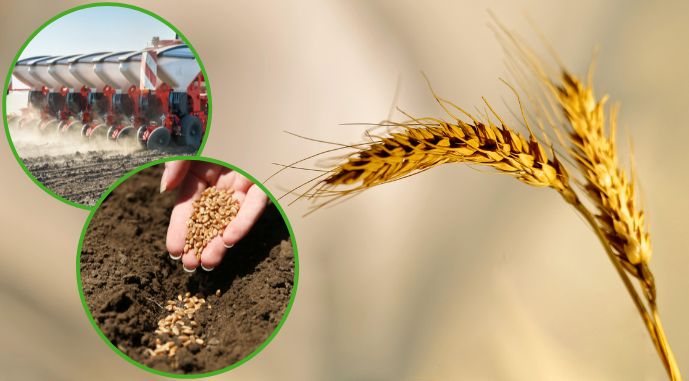 1 Million Fewer Hectares of Winter Crops for the 2027 Harvest: How Farmers Are Redistributing Resources
The area under winter crops for the 2027 harvest will most likely be smaller than during the 2026 sowing campaign. Under an adverse scenario, the reduction could reach up to 1.0 million hectares.