
Agricultural sector on the path to the EU: practical steps for Ukrainian farmers to adapt
The Agricultural Sector on the Path to the EU: Effective Steps to Adapt to New Requirements
20 July 2026, 06:30 3613
Ukrainian agricultural producers—from large-scale operations to small-scale craft producers—are paying increasing attention to safety, traceability, and transparency in production. These principles are driven not only by changes in the legislative framework as Ukraine moves toward European integration, but also by consumer demand.
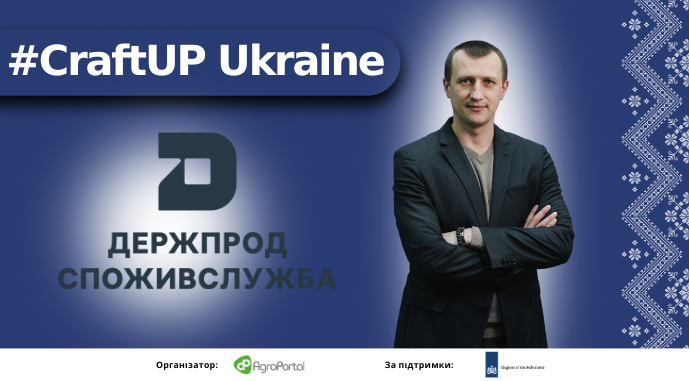
Consumers are increasingly asking about the origin of raw materials, how they are grown, production conditions, and compliance with safety requirements. This demand has already become one of the strongest drivers of change. These are the very same principles on which European requirements are based, so producers who are investing in the development of their farms today are, in fact, already moving along the path necessary for future European integration, even if they do not yet have exporting as a goal, notes the founder and director of the agricultural advisory center “Farmer’s Country,” farmer at the «Field of Happiness» private farming enterprise, and co-founder and board member of the «Farmer’s Family» agricultural cooperative, Natalia Tabinska.
Of course, for a small manufacturer, this is a major undertaking that requires time and investment. But at the same time, there is still a certain myth in Ukraine that European standards necessarily mean expensive equipment, state-of-the-art production facilities, and large-scale renovations.

Natalia Tabinska, founder and director of the «Farmer’s Country» Agricultural Advisory Center, farmer at the “Field of Happiness” Farming Enterprise, and co-founder and board member of the «Farmer’s Family» Cooperative
Having had the opportunity to visit craft breweries in various European countries, I’ve noticed that most of them don’t stand out for their high-tech production processes. Their strength lies in well-organized processes, product traceability, compliance with safety requirements, and a clear production logic.
The expert emphasizes that adaptation does not always mean building new production facilities. Very often, it is a matter of effectively organizing processes and gradually improving what already exists. And changes are taking place—more and more craft farms are officially registering their operations, legalizing their processing activities, implementing process documentation, and gradually bringing their production processes into compliance with modern requirements.
One of the challenges along this path is the lack of practical guidance for producers. It’s not enough for them to simply familiarize themselves with the requirements—it’s much more difficult to understand how to adapt their own production processes. Every farm has its own unique characteristics, so the same requirements can be implemented in completely different ways.
That is precisely why, adds Natalia Tabinska, producers today need a system of practical support more than anything else. They need experts who can assess a specific farm, help develop a realistic adaptation plan, and propose optimal solutions without unnecessary costs. This will make adaptation more accessible for small producers and help avoid the common misconception that European requirements necessitate building an expensive, high-tech facility.
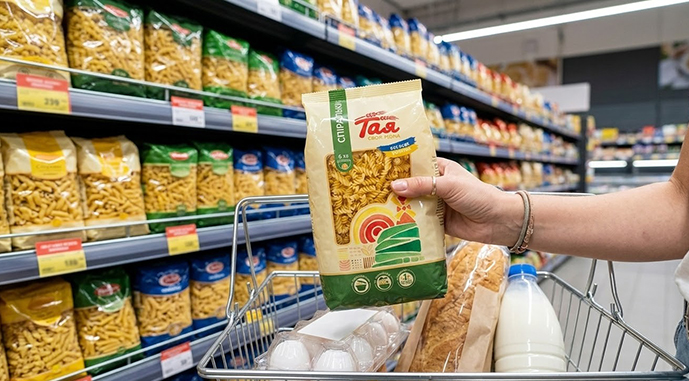
At the same time, when discussing EU integration requirements for the food industry, the Khmelnytskyi Pasta Factory (UKRPASTA) acknowledges that the main challenge lies not in the standards themselves—which are clear and predictable for a manufacturer that operates systematically— but in the high level of documentation and procedural requirements.

Victoria Grek, Director of the Khmelnytskyi Pasta Factory (UKRPASTA)
It is important to have a complete set of internal documentation and to be prepared to undergo an inspection or audit at any time. That is why transparency and full traceability do not create barriers to entry, but rather represent the baseline for operating in the international market.
According to the expert, in addition to global standards, each local market within the EU has its own specific requirements. This applies to both specific regulations regarding product labeling and packaging for a particular country and day-to-day operational challenges, so manufacturers must adapt immediately to any changes in EU regulations.
For UKRPASTA, European integration is not a separate phase but a strategic direction for development that was defined back in 2019. Since then, the company has modernized its production facilities, implemented a food quality and safety management system, automated a number of processes, and adopted the international FSSC 22000 food safety and quality standard, as well as ISO 22000, ISO 9001, and Kosher.
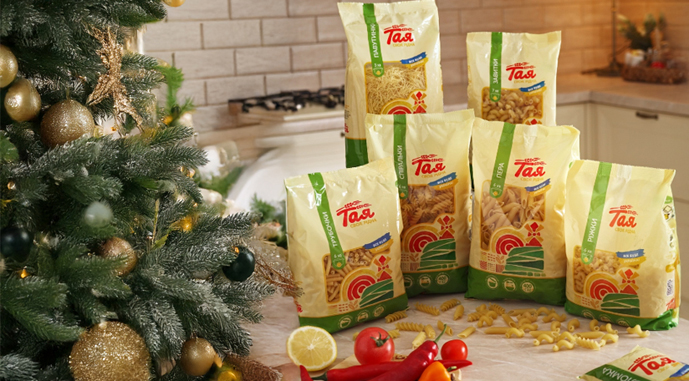
Certification has enabled the company to work with European partners, manufacture products under private labels, and enter export markets with greater confidence—today, the company exports more than 20% of its products to over 15 countries, including the EU.
«This is an important step forward for Ukrainian manufacturing: when quality, safety, and process control are confirmed not only by the company’s experience but also by clear international standards. This is precisely what practical European integration of business is all about,» emphasizes Viktoria Hrek.
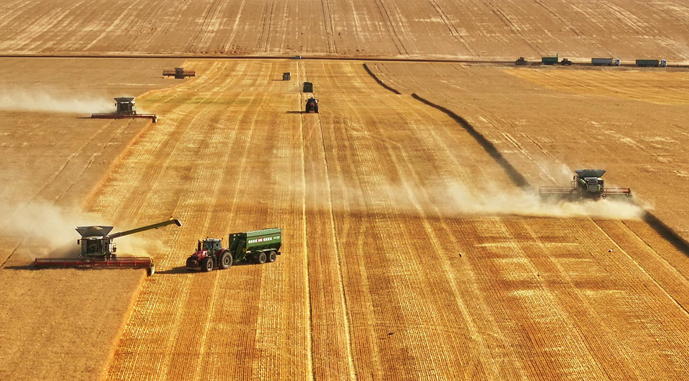
The crop production sector is also actively involved in European integration processes. Denis Shofolov, Sustainability Manager at Continental Farmers Group, emphasizes that whether companies use raw materials in the European market (whether for biofuel production, animal feed, or the food industry), determines the company’s compliance with the relevant requirements.

Denis Shofolov, Sustainability Manager at Continental Farmers Group
We must verify how we grew our raw materials and demonstrate the entire traceability process: from annual monitoring to ensure that no ecosystem changes occur in our fields used for agricultural production, to the quality of the grain and its logistics to the buyer.
Such measures will encourage farmers to adopt sustainable farming practices, promote biodiversity, and conserve soil, according to the «Vitagro» Group, which sees these EU requirements as presenting more opportunities for the country.

Andriy Volosheniuk, Head of the Research and Development Center at the «Vitagro» Group
Some producers are adopting tools they haven’t used before. They will first monitor the situation and then make decisions. They will use the soil more sparingly, and at the same time, agricultural advisory services will become available.
Farms in the Odesa region—Misurina+ LLC and Sarazhynka LLC—are following a similar path. Oleksandr Chumak, co-owner of the companies, which farm 3,200 hectares, says that while he is not currently taking any steps to meet EU integration requirements, he is focusing on practices necessary for their day-to-day operations: they have switched to a no-till system, are implementing regenerative practices, are developing their own green energy generation, and have reduced their use of chemical fertilizers.

Oleksandr Chumak, co-owner of Misurina+ LLC and Sarazhynka LLC
The main obstacle on the path to European integration is the lack of financial resources and effective alternatives to existing models, which could lead to the collapse of Ukraine’s current profitable agribusiness model and/or its transformation into a subsidized one.
He also cites the lack of specialists to ensure compliance with all requirements, the war, and labor shortages as challenges. According to the farmer, all of these factors combined could lead to a decline in efficiency and an increase in production costs.

The fact that farmers in the south are actively implementing the latest technologies is also confirmed by Tetyana Zakharova, an agronomist and head of the microfertilizer division at alfa smart agro.

Tetyana Zakharova, agronomist, head of the microfertilizer division at alfa smart agro
In addition to battling drought, farmers in the south are modifying their production processes, beginning to use active ingredients that will be permitted in the EU, and actively implementing traditional farming practices and crop rotation, thereby reducing their use of plant protection products.
However, despite these active changes, farmers remain concerned about the possibility of an immediate ban on a significant number of active ingredients that are prohibited in the EU. The agricultural company IMC has estimated that bringing production into compliance with EU standards will cost $3 million per year.
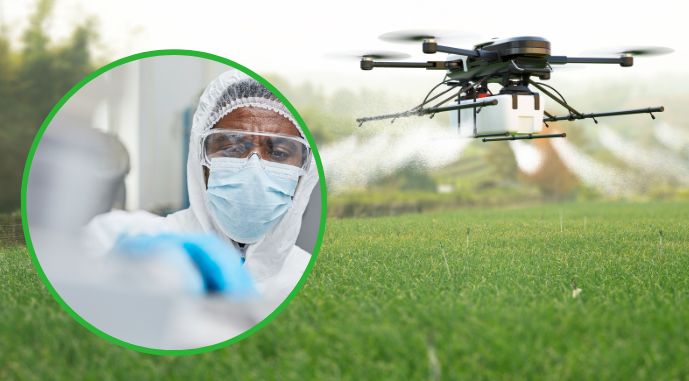
IMK CEO Oleksandr Verzhikhovsky notes that the company will have to replace at least 10 pesticides from its portfolio.

Oleksandr Verzhikhovsky, CEO of IMC
If we want to join the Western world, we must accept its laws and its principles... We would like our European colleagues in the agricultural sector to understand that integration must be based on a mutually beneficial approach—so that we all benefit.
As for livestock farming, farms establish the right genetics from the outset and align their management practices as closely as possible with European standards. The establishment of the Virtuoso by Lukachivka farm in the Kyiv region, which began with 120 animals, was intended to follow precisely this approach. According to the farm’s founder, Oleksandr Lukach, one of the biggest challenges was the need to explain to consumers how goat’s milk differs from common perceptions about it.
Oleksandr Lukach, founder of the Virtuoso by Lukachivka farm
It was important for us to convey that real goat’s milk doesn’t have a strong odor or a distinctive taste—on the contrary, it’s mild, sweet, and delicate. At the same time, we had to essentially build the farm from scratch—from designing the facilities to launching the production processes.
The farm immediately implemented the principles of HACCP—a system for controlling food quality and safety—which at the time was a rather innovative approach for a small Ukrainian operation.
Today, the herd numbers about 200 goats. The farm pays special attention to the animals’ living conditions and feed supply. The goats graze freely on more than 30 hectares of land, get plenty of exercise, and live in comfortable conditions.
As we can see, the feasibility of most EU requirements and the Ukrainian agricultural sector’s ability to adapt to them are already a reality today. Of course, this is a journey that cannot be completed in a single day, but those who have already begun to change have a better chance of being successful in the future.
Alla Stryzheus, AgroPortal.ua

 14 October 2026, 07:201047
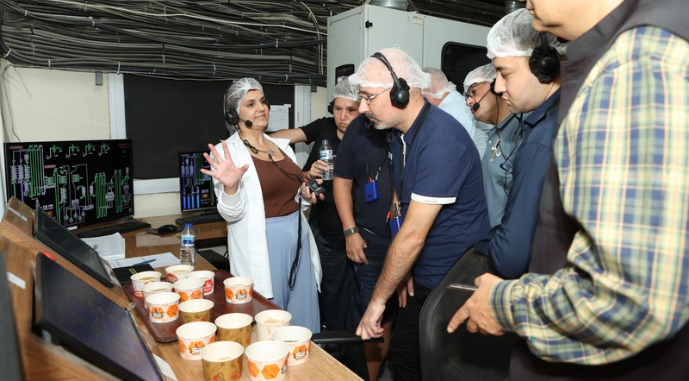
Chickpea and Lentil Paste: How One of the World's Largest Legume Processing Plants Operates
 02 October 2026, 07:201466
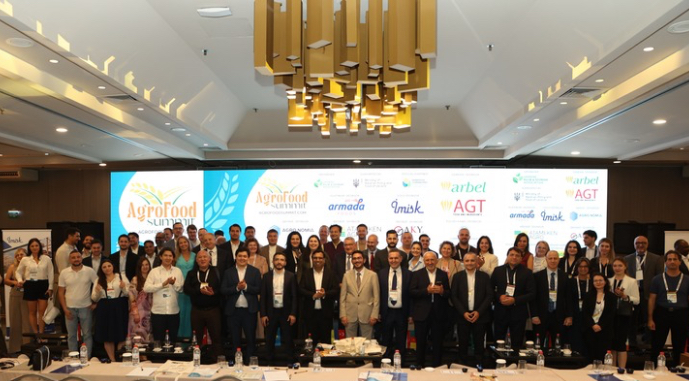
Shifting Trade Flows: What Opportunities Are Available to Ukrainian Producers?
 18 September 2026, 07:201679
CraftUP Ukraine: Finalists Presented Their Business Projects and Received Grants
- 16 October 2026, 08:42 962
 Market and Security Factors Are Changing the Structure of Ukraine’s Livestock Sector
Ukraine’s livestock sector continues to undergo structural transformation under the influence of market and security challenges.
- 15 October 2026, 08:00 753
 Less Flour, More Groats: How Exports of Grain Processing Products Have Changed
Exports of grain processing products from Ukraine in the first three months of the 2026/27 marketing year amounted to 120.1 thousand tonnes, which is 9.2% lower than in the same period of the previous season.
- 17 September 2026, 05:48 2943
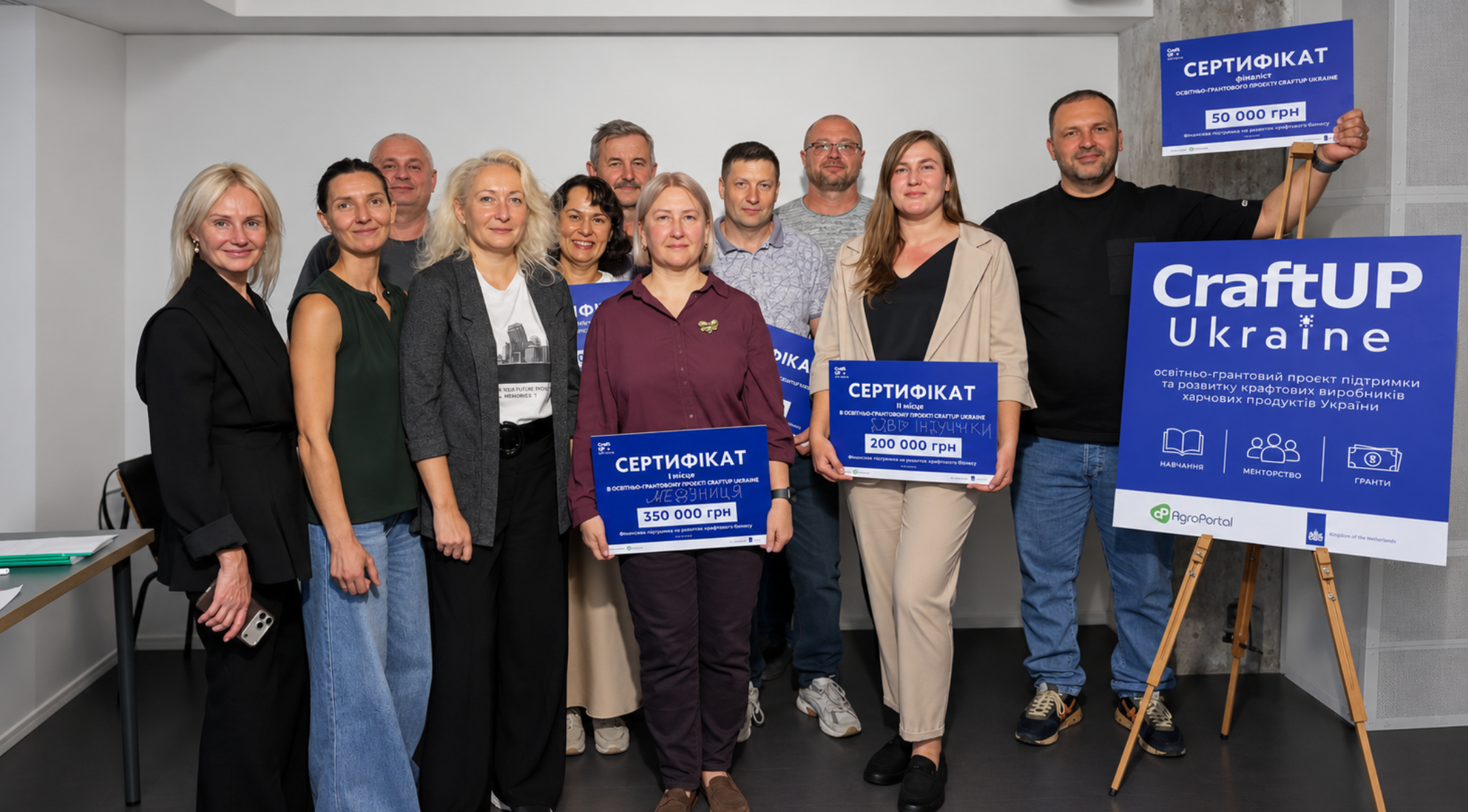 Together Means More: How a Community Can Open New Opportunities for Craft Producers
On September 15, the finalists of the CraftUP Ukraine educational and grant project presented their business projects in Kyiv. Craft producers from different regions of Ukraine came to the capital to present ideas whose implementation will help them develop and scale up their production.