

All the main news of the agricultural market on
📲 Telegram channel

The area of agricultural land covered by sale and purchase agreements in the third quarter of 2026 amounted to 43.7 thousand hectares, which is 18% less than in the previous quarter and 15% below the figure for the same period last year.
This is according to a report by the Center for Food and Land Use Research at the Kyiv School of Economics (KSE Agrocenter).
The number of transactions concluded in July–September amounted to 22.4 thousand. Compared with the second quarter, their number decreased by 14%.
«August was the weakest month since the beginning of the year, with low market liquidity being linked to the crisis caused by the closure of ports,» the analysts explained.
They added that land prices continued to rise.
«The average price per hectare in transactions concluded in 2026 increased to UAH 105.8 thousand (+4.6% compared with May). In September, the average price reached UAH 125.6 thousand/ha, while the weighted average price was UAH 82.0 thousand/ha,» the experts stated.
The price gap between regions continues to widen. The most expensive land is in Ivano-Frankivsk Region (UAH 297.1 thousand/ha) and Lviv Region (UAH 292.2 thousand/ha). The cheapest land is in Donetsk Region (UAH 38.7 thousand/ha), Mykolaiv Region (UAH 47.5 thousand/ha) and Kherson Region (UAH 48.3 thousand/ha).
According to KSE, the normative monetary valuation is increasingly lagging behind market prices. In the third quarter, the market price of land was 1.74 times higher than the normative monetary valuation. At the launch of the land market, this ratio stood at 1.45.
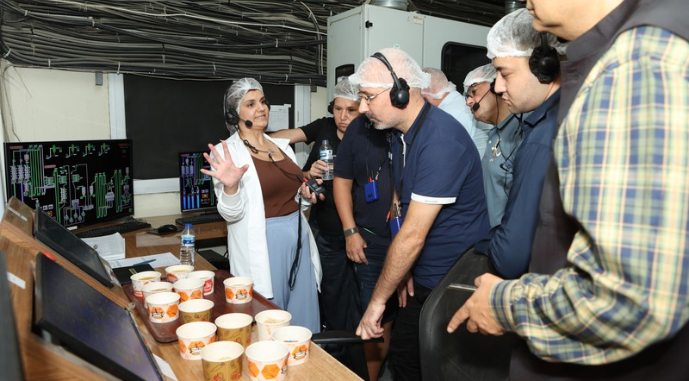
Chickpea and Lentil Paste: How One of the World's Largest Legume Processing Plants Operates
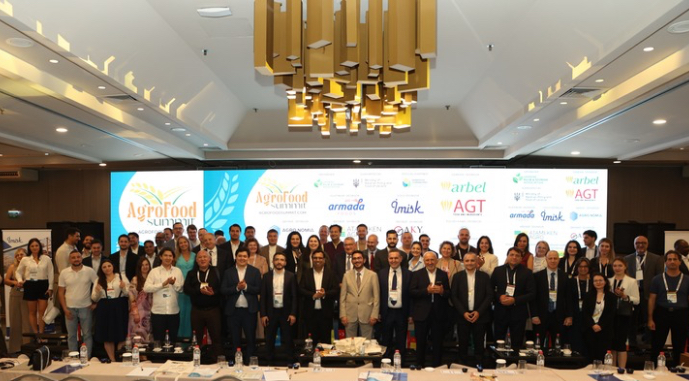
Shifting Trade Flows: What Opportunities Are Available to Ukrainian Producers?
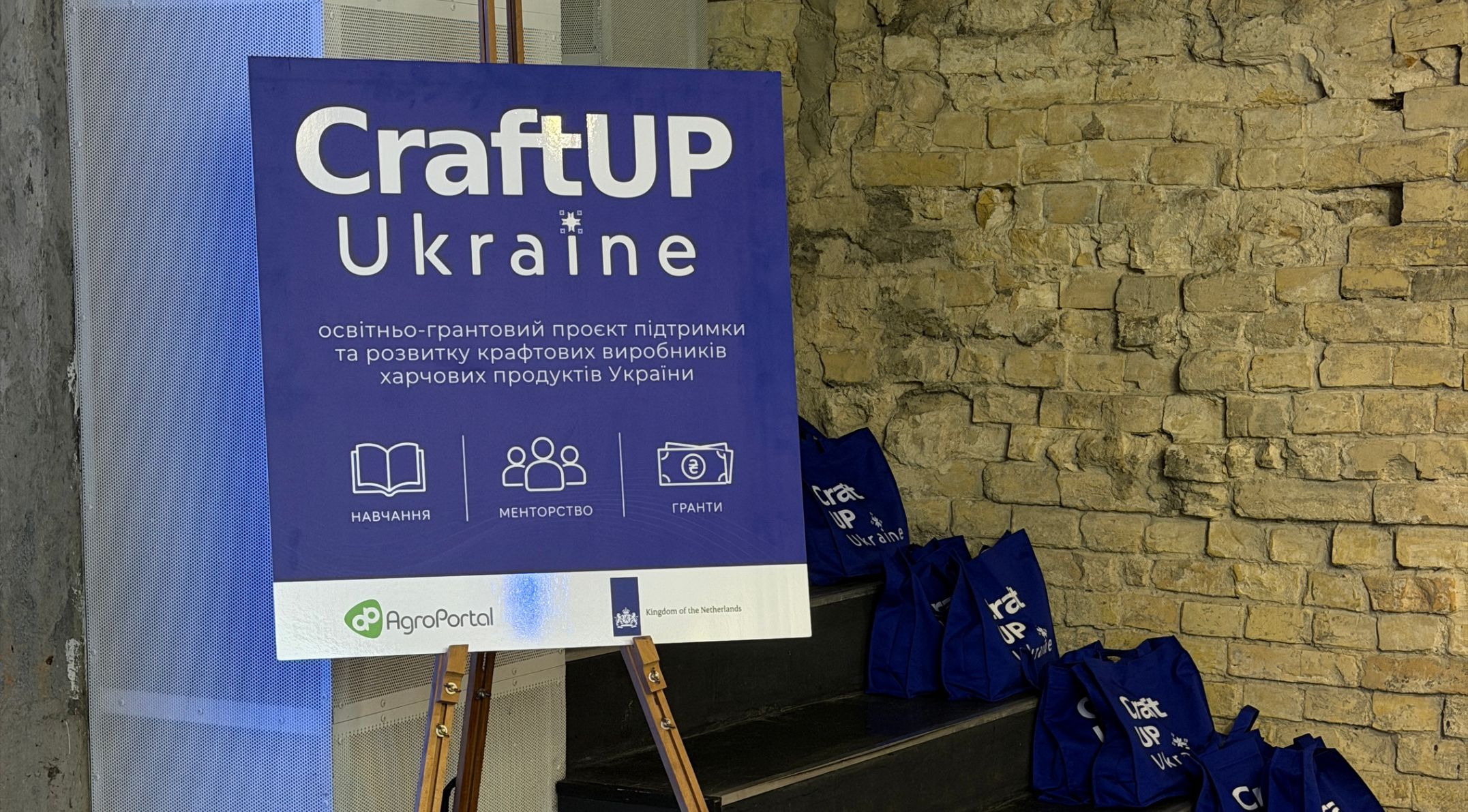
CraftUP Ukraine: Finalists Presented Their Business Projects and Received Grants
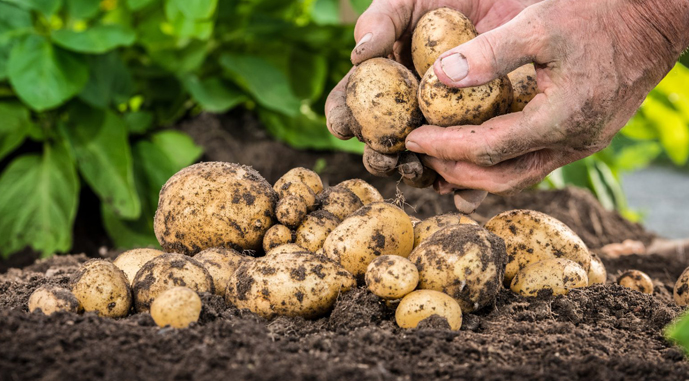
An estimated 12.4 million Ukrainians, including minors, grow potatoes for their own household consumption.
Skeptical expectations regarding land reform have not materialized: Ukrainian soil is not being hauled away by the traincarload, and the oligarchs have not bought up all the fields. Instead, land prices are rising, and leasing has become more transparent, generating additional revenue for local communities. However, it is still difficult to use land shares as collateral.
In recent years, Polish farmers have made numerous accusations against Ukrainian agricultural producers. There is a certain level of competition between producers in the two countries, as well as concerns about possible pressure on Polish farmers if Ukraine joins the EU. But is a compromise possible between producers and farmers in both countries?